





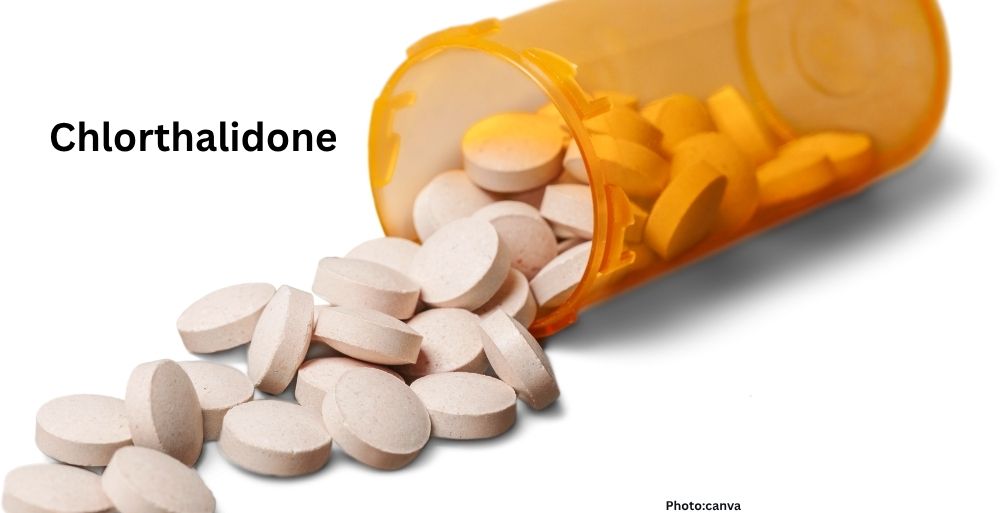
A nationwide recall of over 11,000 bottles of Chlorthalidone, a commonly prescribed blood pressure medication, has been initiated by the FDA after the products failed to meet critical dissolution specifications.
The U.S. Food and Drug Administration (FDA) has announced a voluntary recall affecting more than 11,000 bottles of Chlorthalidone, a diuretic medication commonly prescribed for high blood pressure and related health issues. The recall, which involves both 100-tablet and 1,000-tablet bottles, was initiated by Inventia Healthcare Limited, an Indian pharmaceutical manufacturer. These products have been distributed nationwide through various pharmacies.
The recall was triggered due to the failure of the affected batches to meet specified dissolution criteria. Dissolution testing is a critical quality control procedure in the pharmaceutical industry, assessing how effectively a medication dissolves and releases its active ingredients when ingested. This testing is essential to ensure the medication’s efficacy and consistency across different batches, as explained by pharmaceutical technology experts from Pion.
Details of the Recall
The specific batch codes for the recalled products are RISA24001 for the 100-tablet bottles and RISB24002 for the 1,000-tablet bottles, all of which carry an expiration date of April 2027. As of the latest updates, the FDA has not yet assigned a severity classification to the recall, which is crucial for understanding the potential risks associated with the recalled medication. The FDA categorizes recalls into three classes: Class I, which indicates a situation where there is a reasonable probability that the product will cause serious health consequences or death; Class II, for products that may cause temporary or medically reversible health effects; and Class III, which involves products unlikely to cause any adverse health consequences.
Implications of Dissolution Testing
Dissolution testing’s importance cannot be overstated, particularly for medications like Chlorthalidone, which plays a vital role in managing hypertension. Hypertension is a significant risk factor for cardiovascular diseases, including heart attacks and strokes. The Cleveland Clinic notes that Chlorthalidone is effective in lowering blood pressure and reducing fluid retention associated with heart, kidney, or liver diseases.
The failure of these specific batches to meet dissolution standards raises concerns about the overall quality and effectiveness of the medication. If a medication does not dissolve properly, it may not deliver the intended therapeutic effect, putting patients’ health at risk. It also highlights the necessity for rigorous quality control measures in pharmaceutical manufacturing.
Manufacturer and Distributor Information
The affected Chlorthalidone products were manufactured by Inventia Healthcare Limited, a company that has previously faced scrutiny over quality control practices. The distribution in the United States was managed by Rising Pharma Holdings, Inc., based in East Brunswick, New Jersey. Both entities are now subject to increased scrutiny as the FDA investigates the circumstances surrounding this recall, with potential implications for their operational practices moving forward.
Consumer Guidance and Next Steps
The FDA has advised consumers who possess any of the recalled bottles to stop using them immediately and consult their healthcare providers for alternative treatment options. This is particularly critical for patients managing chronic conditions such as hypertension, where consistent medication adherence is essential for maintaining health. Healthcare professionals are encouraged to assist patients in finding suitable alternatives to Chlorthalidone while the recall is in effect.
Patients are also urged to report any adverse reactions or quality concerns related to the affected medication to the FDA’s MedWatch program, a national system designed to monitor the safety of drugs and medical devices. This reporting mechanism is vital for ensuring that the FDA can assess the impact of the recall and take any necessary actions to protect public health.
Broader Public Health Concerns
This recall underscores ongoing concerns regarding the quality assurance processes within the pharmaceutical industry, particularly in light of the increasing globalization of drug manufacturing. As more medications are sourced from international manufacturers, the FDA’s ability to ensure the safety, efficacy, and quality of imported products has become a pressing public health issue.
The complexity of global supply chains poses challenges for regulatory bodies tasked with monitoring drug quality. The FDA’s response to this recall reflects its commitment to maintaining patient safety and the importance of rigorous oversight in ensuring that medications meet established quality standards.
As the situation evolves, healthcare providers, patients, and stakeholders within the pharmaceutical industry will be closely monitoring updates from the FDA. Further information regarding the recall and any additional actions required by consumers or healthcare professionals will be crucial in addressing the implications of this incident.
In summary, the recall of Chlorthalidone highlights critical aspects of pharmaceutical quality assurance and the vital role of regulatory agencies in protecting public health. As the FDA continues to investigate the matter, it reminds all parties of the importance of vigilance in medication use and reporting mechanisms that help ensure ongoing safety in the healthcare landscape.






No Comment! Be the first one.