




National Medical Organizations Issue Stricter Cholesterol Guidelines Lowering LDL Targets for Cardiovascular Prevention

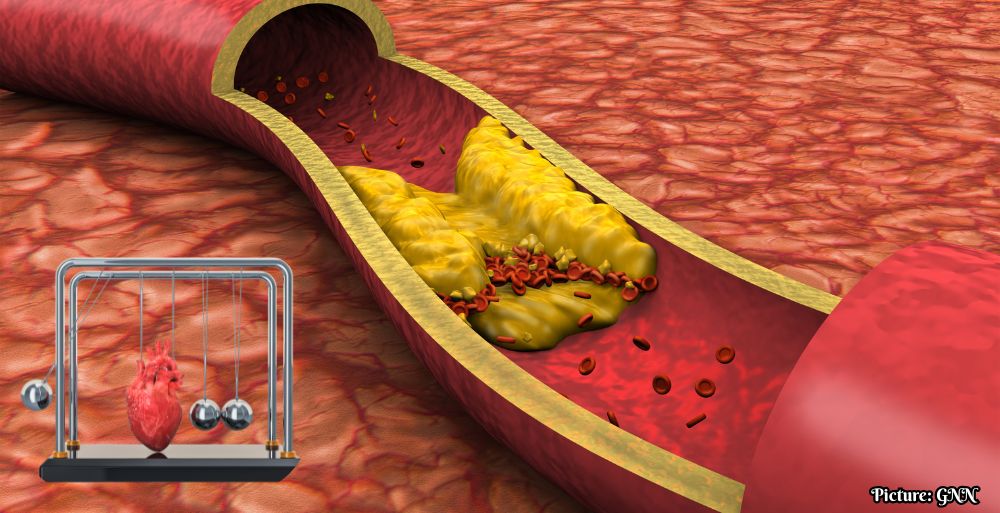
The American College of Cardiology and the American Heart Association have issued updated clinical guidelines that establish significantly lower target thresholds for low-density lipoprotein (LDL) cholesterol, mandate earlier screenings in young adulthood, and transition the medical community toward a highly personalized preventative care model. Published in March 2026, the new directives recommend reducing target LDL levels to under 100 mg/dL for standard-risk adults, under 70 mg/dL for higher-risk individuals, and near 55 mg/dL for patients with established cardiovascular disease. To catch asymptomatic arterial plaque accumulation sooner, the framework urges providers to utilize the advanced PREVENT risk calculator during routine checkups to assess an individual’s full health profile—including blood pressure, age, lifestyle habits, and concurrent metabolic conditions like diabetes—while prioritizing structured lifestyle modifications or tailored pharmacological therapies to aggressively mitigate the lifetime risk of heart attacks and strokes.
WASHINGTON — Leading national medical organizations have jointly released updated clinical guidelines establishing significantly lower target thresholds for low-density lipoprotein (LDL) cholesterol, commonly referred to as “bad” cholesterol. Published concurrently in March 2026 within JACC, the flagship journal of the American College of Cardiology, and Circulation, the flagship journal of the American Heart Association, the new medical directives synthesize data from expansive, multi-year clinical trials involving tens of thousands of diverse patient profiles. The consensus guidelines mandate that medical practitioners initiate cholesterol screenings and cardiovascular risk assessments much earlier in adulthood than previously recommended. By replacing generalized, one-size-fits-all demographic baselines with highly individualized diagnostic metrics—such as the advanced PREVENT risk calculator—the updated framework seeks to proactively mitigate the incidence of myocardial infarctions and cerebrovascular accidents across the United States, where approximately 25 percent of the adult population currently presents with elevated LDL levels.
A Paradigm Shift in Cardiovascular Risk Management
The newly consolidated clinical guidelines from the American College of Cardiology (ACC) and the American Heart Association (AHA) represent the most comprehensive overhaul of lipid management protocols in nearly a decade. For generations, public health campaigns and primary care checklists treated cholesterol management as a secondary concern reserved primarily for patients entering their fourth or fifth decades of life. This reactive posture is systematically dismantled by the March 2026 publications, which transition the medical community toward an aggressive, lifelong preventative framework.
Cardiovascular disease remains the leading cause of mortality in the United States, accounting for hundreds of thousands of preventable deaths annually. According to epidemiological data utilized by the compiling committees, approximately 80 percent of all premature heart disease incidents are entirely preventable through timely lifestyle modifications, early pharmacological interventions, and stringent biomarker control. Because high LDL cholesterol typically presents with zero external symptoms, millions of individuals unknowingly accumulate arterial plaque over decades, culminating in acute, catastrophic cardiac events. By standardizing lower target thresholds and enforcing earlier screening intervals, the ACC and AHA aim to fundamentally alter the trajectory of chronic circulatory disease nationwide.
Redefining the Thresholds: The New LDL Target Metrics
Cholesterol, a lipidic, waxy substance vital for cellular membrane structure and hormone synthesis, circulates through the human bloodstream via specialized lipoproteins. High-density lipoprotein (HDL), conventionally labeled “good” cholesterol, actively facilitates the removal of excess lipids from the vascular walls, transporting them back to the liver for excretion. Conversely, low-density lipoprotein (LDL) acts as the primary vehicle for lipid deposition within the endothelial linings of the arterial network, leading to atherosclerosis—the gradual hardening and narrowing of the arteries.
Under the newly instituted 2026 guidelines, the medical community is moving away from broad “acceptable ranges” toward risk-stratified target ceilings. The specific, updated LDL target numbers are organized into distinct patient risk categories:
| Patient Risk Stratification | Updated LDL Target Threshold | Clinical Objective |
| Standard Risk Adults | Under $100\text{ mg/dL}$ | General primary prevention across the standard population. |
| Higher-Risk Individuals | Under $70\text{ mg/dL}$ | Prevention for patients with metabolic syndromes or family history. |
| Patients with Established Heart Disease | Under $55\text{ mg/dL}$ | Secondary prevention to halt or reverse existing arterial plaque buildup. |
This tiered methodology ensures that individuals with a documented history of cardiovascular illness, or those who have previously undergone corrective surgical procedures such as coronary artery bypass grafting or stenting, are held to the most rigorous therapeutic standards.
“For many patients, especially those with heart disease or prior procedures, it’s not enough to look at whether a number is flagged as normal,” stated Dr. Asad J. Torabi, an interventional cardiologist with Franciscan Health, while reviewing the implementation of the new protocols in a clinical setting. “The latest guidelines recommend aiming for lower LDL levels than before because our goal is to prevent another heart attack or stroke and keep patients as safe as possible.”
Implementing Early Intervention and the PREVENT Risk Calculator
A cornerstone of the revised medical directive is the aggressive push for baseline lipid panels during early adulthood. Historical data indicates that atherosclerotic plaque formation can begin as early as adolescence, silently compounding over time based on genetic predispositions and dietary patterns.
To facilitate highly nuanced risk assessments for younger populations, the guidelines formally endorse the utilization of a sophisticated cardiovascular disease risk profiling tool known as the PREVENT calculator. Diverging from legacy models that relied heavily on static demographic charts, the PREVENT tool integrates a dynamic spectrum of clinical data retrieved during routine physical examinations. It processes an individual’s precise cholesterol breakdown, systolic and diastolic blood pressure readings, chronological age, and explicit lifestyle habits alongside concurrent chronic conditions like type 2 diabetes or chronic kidney disease.
“I think it’s very reasonable to have a one-time cholesterol check as a very young adult, just to get a baseline and make sure everything looks okay,” Dr. Torabi emphasized, noting an shifting demographic trend in his daily practice. “We see patients younger and younger with risk factors, especially if there is a family history of high cholesterol.”
Therapeutic Strategies: Lifestyle Modification as the Initial Vector
For patients diagnosed with elevated LDL levels who do not yet manifest signs of acute cardiovascular disease, the guidelines reinforce therapeutic lifestyle changes as the primary line of defense. Before initiating long-term pharmaceutical regimens, clinicians are advised to collaborate with patients to execute structured, measurable modifications to their daily routines. These interventions focus heavily on four core behavioral pillars:
- Nutritional Realignment: Prioritizing dietary frameworks rich in monounsaturated fats, soluble fibers, and plant-based proteins while actively restricting trans fats, simple sugars, and excessive red meat consumption.
- Systemic Physical Activity: Engaging in a minimum of 150 minutes of moderate-intensity aerobic exercise, or 75 minutes of vigorous physical activity, on a weekly basis to optimize lipid metabolism.
- Adipose Tissue Reduction: Utilizing targeted caloric management to achieve and maintain a body mass index (BMI) aligned with healthy physiological baselines.
- Absolute Tobacco Cessation: Eliminating nicotine exposure entirely to prevent the rapid acceleration of arterial endothelial damage caused by tobacco chemical compounds.
When discussing patient autonomy and dietary experimentation, Dr. Torabi expressed a supportive, cooperative philosophy. “If a patient tells me their diet could be better and they want to try something like the Mediterranean diet, I let them give it a shot,” he observed in a relaxed, consultative tone. “I say, ‘All right — let’s pretend you’re in Greece. Let’s get out the almonds, the plant-based protein and the olive oil, and cut down on the red meat. Then let’s look at your numbers in a few months and see how much it helps.’”
Pharmacological Evolution and Treatment Personalization
In scenarios where extensive behavioral and nutritional interventions fail to lower serum LDL levels to the newly mandated thresholds, the guidelines dictate the strategic deployment of pharmacological agents. Statins remain the bedrock of medical therapy for high cholesterol. These compounds function by inhibiting HMG-CoA reductase, an enzyme essential to the hepatic synthesis of cholesterol, thereby prompting the liver to clear existing LDL particles from the circulating bloodstream more efficiently.
While a significant majority of the patient population tolerates statin therapy without adverse effects, clinical data acknowledges that a subset of individuals experiences side effects, most notably statin-associated muscle symptoms (SAMS) or localized myalgia. The 2026 guidelines provide specific, secondary pathways for these statin-intolerant patient groups, ensuring that treatment momentum is not lost.
“If someone tries two different statins and the side effects don’t improve, we have other options,” Dr. Torabi explained during a clinical seminar regarding patient adherence. “For example, there are injectable medications that work differently than statins and don’t cause muscle aches. We have a lot of tools and can tailor treatment to help patients reach their goal of lower LDL and a lower risk of stroke or heart attack.”
These modern alternatives include PCSK9 inhibitors and other advanced monoclonal antibodies that drastically boost the liver’s natural capacity to sort and eliminate bad cholesterol from the body, offering a secondary option for high-risk individuals.
Integrating Interdisciplinary Care and Long-Term Management
The overarching theme of the 2026 ACC/AHA guidelines is the rejection of isolated metrics in favor of holistic, interdisciplinary patient assessment. A patient’s lipid profile must always be interpreted through the lens of their broader metabolic health. Co-morbidities such as hypertension, advanced age, insulin resistance, and renal impairment drastically compound the compounding dangers of elevated LDL cholesterol.
Patients diagnosed with diabetes, for example, exhibit a significantly higher vulnerability to accelerated plaque formation, requiring much tighter glycemic and lipid control simultaneously. Proper regulation of blood glucose levels has been shown to directly improve the size and density of circulating LDL particles, rendering them less atherogenic (prone to causing arterial blockages).
“I always remind patients not to focus on just one number in isolation,” Dr. Torabi concluded, emphasizing the necessity of an integrated approach to modern medicine. “Everything is connected, and we look at the full picture to decide what makes the most sense for you. I like making decisions with my patients. It’s not about telling someone what they have to do. It’s about working together to find a plan that makes sense and that they feel comfortable following.”
Public health officials recommend that adults schedule a dedicated primary care consultation to obtain an updated lipid panel and calculate their personalized cardiovascular risk score under the PREVENT criteria. Immediate medical attention from a specialist should be sought if individuals experience physical warning signs such as localized chest pain, acute dyspnea (shortness of breath), chronic fatigue, unprovoked dizziness, or peripheral edema in the lower extremities.
Furthermore, the medical community reiterates that sudden, severe chest pain, pressure, or tightness—particularly when radiating outward to the arm, neck, jaw, or upper back—constitutes a medical emergency requiring an immediate 911 call to dispatch emergency medical services for a suspected myocardial infarction.






No Comment! Be the first one.