





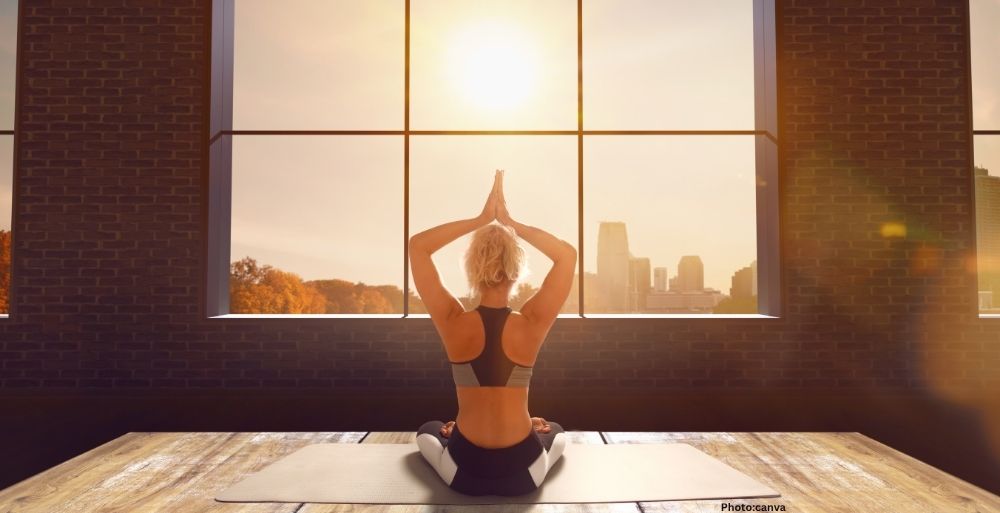
A growing sedentary lifestyle contributes to physical discomfort, making practices like yin yoga increasingly relevant for easing tension in the hips and thighs.
In an age marked by prolonged periods of sitting, many individuals are experiencing significant discomfort in their lower bodies, particularly in the hips and thighs. This concern is not merely anecdotal; it stems from a broader trend in modern living where excessive sedentary behavior has become commonplace. As of 2023, studies suggest that Americans, on average, spend over ten hours each day in a seated position, leading to a range of health issues including musculoskeletal pain and decreased flexibility.
Yin yoga, a practice characterized by its slow-paced and meditative approach, has emerged as a popular solution for those seeking relief from the physical strains of modern life. The practice focuses on deep stretching and holds that target the connective tissues in the body, particularly in the lower body. This article explores a 15-minute yin yoga routine designed to alleviate tension in the hips and thighs, offering practitioners a pathway to greater ease and freedom of movement.
Understanding Yin Yoga
Yin yoga differs significantly from more dynamic forms of yoga such as Vinyasa or Ashtanga. It involves longer holds—typically ranging from three to five minutes—allowing practitioners to access deeper layers of muscle and fascia. By targeting the inner thighs and outer hips, yin yoga not only helps to release physical tension but also fosters a sense of relaxation and mental clarity.
As the practice encourages stillness and introspection, practitioners often report an enhanced connection to their bodies and emotions. This holistic approach is particularly beneficial in today’s fast-paced world, where stress and anxiety are prevalent.
15-Minute Yin Yoga Routine for Hips and Thighs
To engage in this restorative practice, individuals will need two yoga blocks and a bolster, or alternative props such as firm pillows. The following sequence is designed to facilitate tension release and enhance flexibility:
1. Supported Reclined Butterfly
Begin by lying on your back with your knees bent and feet flat on the mat, positioned hip-distance apart. Lift your hips slightly and place a block or bolster beneath your sacrum for support. Bring the soles of your feet together while allowing your knees to fall open. This pose can be held for three minutes or longer, encouraging deep relaxation.
2. Knees to Chest
To transition out of the previous pose, draw your knees back together and place your feet flat on the mat. Keeping the block beneath you, gently draw your knees toward your chest, taking two full breaths while rocking side to side. Set your feet back down, lift your hips to remove the block, and lower your spine to the mat.
3. Child’s Pose
From lying down, roll to one side and transition to a hands-and-knees position. Widen your knees and shift your weight back towards your heels, settling into Child’s Pose. Extend your arms forward with palms facing down. For additional support, consider placing a prop beneath your forehead or chest. Remain in this pose for three minutes.
4. Cat and Cow Pose
Return to a hands-and-knees position and move into Cow Pose by inhaling and lowering your belly while lifting your chin and chest. Exhale to transition into Cat Pose, rounding your spine and tucking your chin. Repeat this cycle two more times, synchronizing your movements with your breath.
5. Frog Pose
Facing the long side of your mat, rest your knees on the mat and gradually guide your feet and knees wider apart to feel a stretch in Frog Pose. Flex your feet, resting your forearms on the mat, or use your props for additional support. This pose can be sustained for up to three minutes.
6. Hip Circles
After completing Frog Pose, bring your heels together and shift to hands. Remove any props and perform gentle circles with your hips, alternating directions to encourage further release.
7. Crocodile Pose Variation
Lower yourself onto your front in Crocodile Pose, with arms extended alongside your body and palms facing up. Alternatively, stack your hands in front of you and rest your forehead on them. Remain in this pose for three to five minutes.
8. Closing Pose
Conclude your practice by transitioning onto your side and then into a comfortable seated position. Acknowledge the effort you have put into this practice, fostering gratitude for your body and its capabilities.
Taylor Lorenz: A Guide in the World of Yoga
The routine outlined above is inspired by the teachings of Taylor Lorenz, a qualified yoga instructor and mentor known for her expertise in yin and somatic yoga. Lorenz has cultivated a global community, Taylor’s Tracks, that emphasizes the intersection of yoga, somatics, and self-discovery. Through her work, she aims to help individuals navigate self-doubt and cultivate a deeper sense of trust in their bodies and minds.
With numerous qualifications, including YTT-200, YTT-300, Yin YTT-50, and Somatic Yoga & Life Coaching, Lorenz’s teachings resonate with a wide audience, from novice practitioners to seasoned yoga instructors. Her approach not only focuses on physical postures but also integrates discussions on body image and self-confidence, making her sessions a space for holistic growth.
As physical discomfort from a sedentary lifestyle continues to challenge many, practices like yin yoga offer accessible methods to restore balance and well-being. By dedicating even a short amount of time to this practice, individuals can experience profound shifts in both their physical and mental states.



No Comment! Be the first one.