





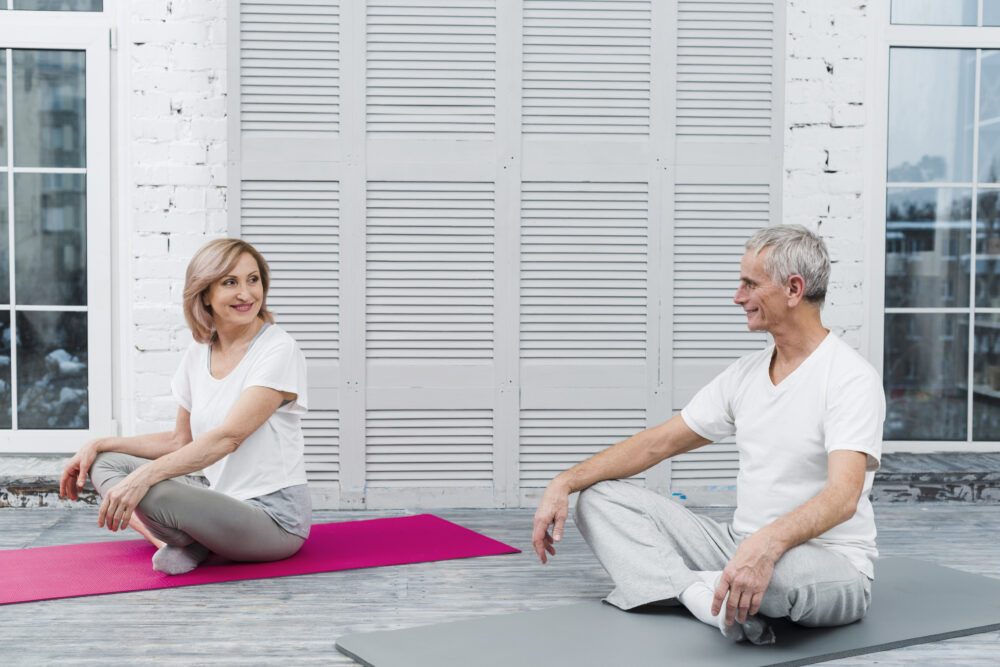
Women over 50 can alleviate menopausal symptoms through yoga, particularly the ‘Legs Up the Wall’ pose, which enhances relaxation, circulation, and sleep quality.
As women age and approach the menopausal phase, they often encounter a series of physiological and emotional changes that can significantly impact their quality of life. These changes, which may include insomnia, mood swings, hot flashes, skin issues, and increased anxiety, have led many women to explore holistic approaches such as yoga to manage their symptoms effectively.
The Transformative Benefits of Yoga
Yoga, an ancient practice rooted in thousands of years of tradition, offers a unique blend of physical and mental benefits. Melie Purdon, an E-500hr registered yoga teacher and certified birth educator at YogaRenew Teacher Training, emphasizes the role of yoga in supporting women during this transitional phase of life. According to Purdon, regular yoga practice not only aids in physical health but also contributes to emotional well-being. She states, “Prioritizing your health with a simple yoga practice can help you manage the emotional and physical symptoms so that you can feel like the best version of yourself, even during this transformational time in your life.”
During menopause, hormonal fluctuations can cause noticeable changes in body composition and weight distribution, which may lead to discomfort and decreased mobility. Purdon highlights that yoga teaches practitioners how to bear weight effectively and maintain balance, which is crucial for protecting joints and enhancing overall movement efficiency. This is particularly important for women over 50, who may find their familiar movement patterns altered and need to adapt to these changes.
Mental and Emotional Resilience Through Yoga
In addition to its physical benefits, yoga addresses the mental and emotional upheavals often associated with menopause. Many women report experiencing sleep disturbances and heightened anxiety during this time. Purdon explains that yoga’s slow-paced movements, breath control, and restorative poses can help regulate the nervous system, fostering mental steadiness and emotional resilience. “The breath work, slower pacing, restorative poses, and consistent movement of yoga help regulate the nervous system and create more steadiness both mentally and emotionally,” she notes.
Furthermore, the community aspect of yoga practice should not be underestimated. Participating in yoga classes, whether in-person or online, fosters connections and a sense of belonging. Research suggests that social interactions can lead to increased longevity and improved mental health. Purdon argues, “Showing up to class regularly builds routine, connection, and friendships. Being part of a group of like-minded people is one of the most effective ways to protect mental health during big life transitions.” This supportive environment can be invaluable for women navigating the complexities of menopause.
Recommended Yoga Poses for Women Over 50
Among the myriad of yoga poses available, Purdon identifies “Legs Up the Wall,” or Viparita Karani, as particularly beneficial for women over 50. She describes the pose as deceptively simple: “The hardest part of the pose is getting into it! Once you are in, it requires no effort.” To perform this restorative pose, practitioners should position a bolster or pillow against the wall, sit sideways on the blanket with one hip touching the wall, and then gently roll onto their back, allowing their legs to rest against the wall while their spine relaxes into the props.
The physiological benefits of Legs Up the Wall extend beyond mere relaxation. This pose promotes circulation, alleviates symptoms of restless legs syndrome, and is known for its calming effects that can help combat insomnia. Purdon asserts, “This is one of the most powerful poses in the book.” The restorative nature of this pose makes it an excellent choice for women seeking to improve their overall well-being during menopause.
As a complementary option, Purdon also recommends the widely-practiced child’s pose, or Adho Mukha Virasana. This pose involves sitting on shins with knees apart, folding the torso forward, and resting the forearms on a bolster or pillow. Child’s pose is not only grounding but can also help reduce mental overstimulation, alleviate migraines, and relieve symptoms such as constipation and bloating. “It helps take the hamstring flexibility out of the equation and honors the body’s needs,” Purdon explains.
Cultivating a Supportive Yoga Practice
While these poses represent just a fraction of the supportive yoga options available to women over 50, they serve as an excellent starting point for those new to yoga or returning to practice. Purdon encourages women to explore yoga as a means of fostering strength and resilience, stating, “When you know where to look and how to practice, yoga offers support at every stage of life—not by forcing the body to perform, but by meeting it where it is.”
This philosophy underscores the transformative potential of yoga, particularly during the complex transition of menopause. As women embrace this ancient practice, they can cultivate a deeper understanding of their bodies, enhance their emotional resilience, and establish meaningful connections within their communities. In doing so, they may not only navigate the challenges of menopause but also thrive in this new chapter of their lives.




No Comment! Be the first one.