





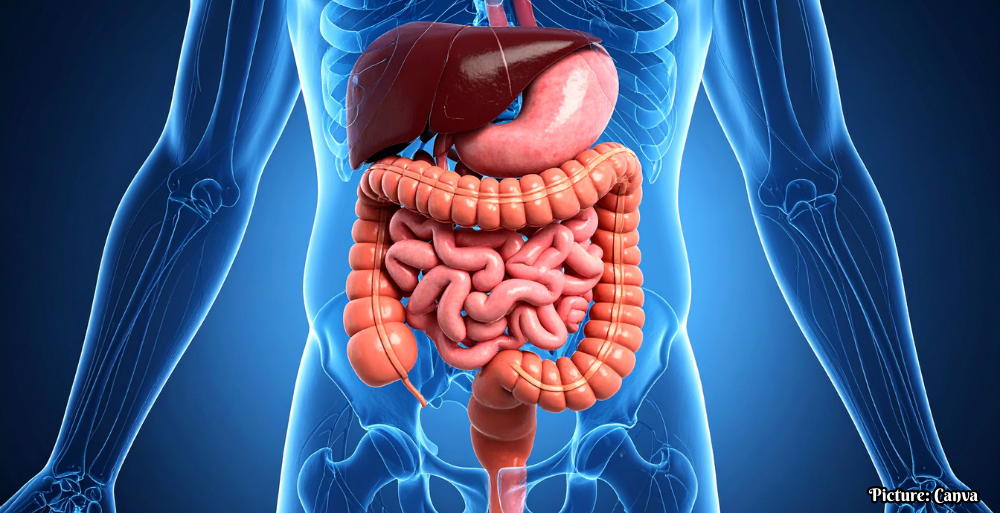
A recent study indicates that adequate vitamin D levels may help modulate the gut-immune axis in people with inflammatory bowel disease (IBD). However, more research is needed to determine the optimal dose and protocol.
A study published in the journal Cell Reports Medicine has unveiled promising findings regarding the potential role of vitamin D in managing symptoms associated with inflammatory bowel disease (IBD), a group of chronic conditions including Crohn’s disease and ulcerative colitis. These diseases can cause significant gastrointestinal damage and lead to a range of distressing symptoms, such as unintended weight loss, diarrhea, and abdominal pain.
The research involved 48 participants diagnosed with IBD who were found to have low vitamin D levels. Over a period of 12 weeks, these individuals were administered weekly vitamin D supplements. Researchers collected and analyzed blood and stool samples before and after the supplementation period to assess the interactions between vitamin D, immune responses, and the gut microbiome, which is the complex ecosystem of bacteria residing in the digestive tract.
Understanding the Role of Vitamin D
The findings from the study suggest that vitamin D supplementation is associated with a significant reduction in disease activity and lower levels of inflammatory markers in individuals with IBD. This indicates a potential shift in the immune system towards a more balanced response, characterized by an increase in beneficial antibodies that promote tolerance towards gut bacteria, alongside a decrease in inflammatory antibodies. Furthermore, the research highlights that vitamin D may foster the growth of beneficial gut bacteria.
As outlined by the study authors, vitamin D appears to assist the immune system in recognizing friendly gut bacteria as non-threatening entities, potentially mitigating the inflammatory responses that characterize IBD. Despite these encouraging results, the authors cautioned that the study has limitations, including its small sample size and the lack of a randomized trial design. Consequently, they emphasized the need for further research to establish the optimal dosage of vitamin D supplementation for individuals with IBD before any definitive changes to clinical practice can be recommended.
Vitamin D Sources and Recommendations
Regardless of the current uncertainty surrounding the optimal dosage for IBD management, the significance of maintaining adequate vitamin D levels cannot be overstated. Vitamin D can be obtained through several methods, and most individuals typically rely on a combination of these sources:
- Sunlight: Vitamin D is synthesized when the skin is exposed to ultraviolet B (UVB) rays from the sun. The amount produced can vary significantly based on several factors, including geographical location, skin pigmentation, age, and the use of sun protection measures.
- Dietary Sources: While few foods naturally contain significant amounts of vitamin D, some of the best dietary sources include fatty fish—such as salmon, sardines, and mackerel—along with egg yolks and beef liver. Additionally, many foods, such as dairy products, certain non-dairy milks, orange juice, and breakfast cereals, are often fortified with vitamin D during processing.
- Supplementation: Vitamin D supplements are available in two primary forms: D2 (ergocalciferol) and D3 (cholecalciferol). Vitamin D3 is generally regarded as more effective for raising blood levels of vitamin D, making supplementation a reliable option for those who may not receive adequate exposure to sunlight or who have health conditions affecting nutrient absorption, such as IBD.
Assessing Vitamin D Levels
To determine whether an individual is receiving sufficient vitamin D, healthcare professionals recommend blood tests, which can be performed during routine wellness exams. Ideally, blood levels of vitamin D for adults should be at least 30 nanograms per milliliter (ng/mL), with a preferred range of 40–60 ng/mL to maximize health benefits beyond bone health.
If blood tests reveal that an individual’s vitamin D levels are below the optimal range, healthcare providers typically suggest supplementation along with dietary modifications to enhance vitamin D intake. The prescribed amount of supplementation will vary based on whether the individual is addressing a deficiency or simply aiming to maintain adequate levels.
Implications for Future Research
The evolving understanding of vitamin D’s role in immune function and gut health underscores the need for further investigation into its potential benefits for IBD management. As the research community continues to explore how vitamin D interacts with immune responses and the gut microbiome, there may be implications for developing more effective treatment protocols for patients suffering from IBD.
Overall, while the recent study provides a compelling case for the consideration of vitamin D in managing IBD symptoms, it also highlights a critical need for further research to clarify the optimal dosages and treatment protocols. Such advancements could ultimately lead to improved quality of life for individuals affected by these chronic digestive conditions.






No Comment! Be the first one.