




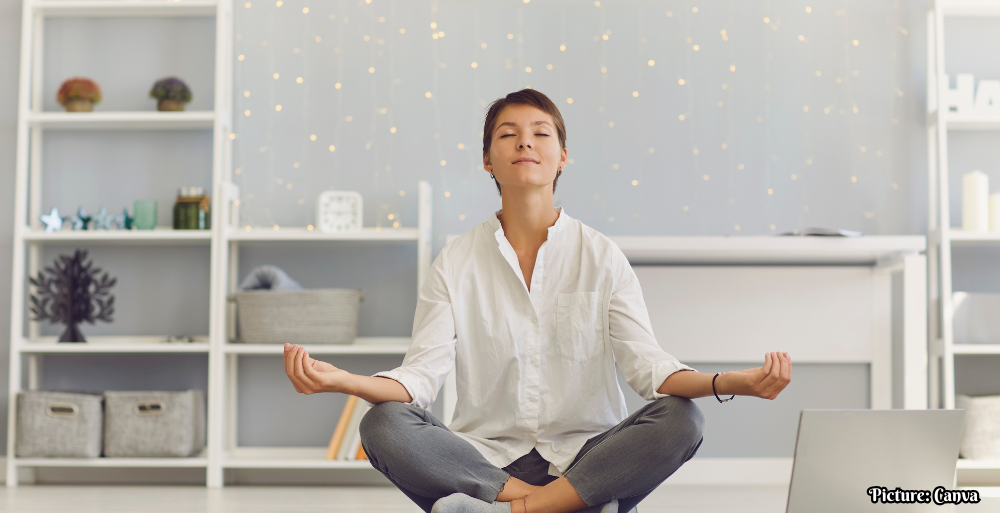
A concise 10-minute yoga practice offers a full-body stretch, enhancing flexibility and reducing stress through gentle movements and longer holds.
In today’s fast-paced society, where stress and physical discomfort have become common, a new 10-minute yoga routine offers a practical solution for individuals seeking to reconnect with their bodies and alleviate tension. This accessible practice is designed for individuals of all levels and incorporates a variety of poses that promote flexibility, relaxation, and mindfulness, making it an ideal addition to a daily wellness routine.
Overview of the Practice
Participants begin by finding a comfortable seated position, either cross-legged in Easy Pose or kneeling in Thunderbolt Pose. This foundational position emphasizes breath awareness, and practitioners are encouraged to take three deep breaths to center themselves before transitioning into a series of flowing movements. This initial focus on breath is essential, as it helps prepare the mind and body for the practice ahead.
Key Poses and Their Benefits
The sequence features several foundational yoga poses, each serving a distinct purpose in enhancing the overall practice. For example, the Seated Side Bend allows for lateral stretching of the spine, while the Seated Twist promotes spinal mobility and aids digestion. These movements not only yield physical benefits but also cultivate awareness of the body’s sensations, which is integral to the practice of yoga.
Another significant element of the routine is the Downward-Facing Dog, a widely recognized pose that strengthens the arms and legs, elongates the spine, and calms the mind. This position is typically held for three cycles of breath, during which practitioners are encouraged to sway their hips and bend their knees, helping to alleviate tension in the lower back and enhance overall body awareness.
Flow and Transitioning Between Poses
The routine emphasizes smooth transitions between poses, fostering a meditative flow that enhances the overall experience. Following the Downward-Facing Dog, participants transition into a Standing Forward Bend, allowing for further elongation of the spine and release of tension in the hamstrings. This emphasis on fluid movement is crucial to maintaining the practice’s meditative quality.
As the practice progresses, practitioners are guided through a series of movements including the Plank Pose and Chaturanga, which build strength in the core and arms. The sequence then flows into Cobra Pose, facilitating a gentle backbend that opens the chest and encourages deep breathing. This sequence not only enhances physical strength but also serves to reduce stress levels, allowing practitioners to feel more grounded and centered.
Specialized Poses for Added Focus
Unique to this routine is the Thread the Needle pose, which provides a gentle twist and shoulder stretch. This position is particularly beneficial for individuals who spend extended periods seated, as it helps release tightness in the upper body. The addition of the Scorpion Dog and Low Lunge poses brings variety and depth to the practice, allowing for exploration of dynamic movements that engage multiple muscle groups effectively.
Closing the Practice
As the sequence draws to a close, participants are encouraged to return to a comfortable seated position. This final stage emphasizes breath awareness and the integration of the practice, allowing individuals to reflect on their experience. Practitioners are invited to acknowledge their commitment to self-care by expressing gratitude for the time spent on the mat. This closing moment is vital as it reinforces the mental and emotional benefits of the practice.
Instructor Background
The routine is led by Emily Baltzer, a seasoned yoga instructor with over a decade of experience in teaching various styles, including hatha, vinyasa, and yin yoga. Known for her engaging classes that connect breath with movement, Baltzer emphasizes the importance of recovery and relaxation alongside more vigorous practices. Her approach reflects a holistic understanding of yoga, recognizing it as a tool for both physical strength and mental clarity.
In addition to her in-person classes, Baltzer shares her expertise through online platforms, offering exclusive content that caters to diverse yoga enthusiasts. She also organizes retreats that provide immersive experiences in tranquil settings, allowing participants to deepen their practice away from daily distractions. These retreats focus on connecting with nature and the self, further enhancing the benefits of yoga.
Conclusion
This 10-minute yoga routine serves as a valuable resource for individuals seeking to enhance their physical well-being and mental health. By integrating simple yet effective movements into their daily lives, practitioners can experience improved flexibility, reduced stress, and a greater sense of connection to themselves. As yoga continues to gain popularity, such accessible practices are essential in promoting holistic health and wellness in a busy world.
Yoga, with its roots in ancient traditions, has been recognized for its mental and physical health benefits for thousands of years. In contemporary settings, practices like this 10-minute routine are increasingly relevant, catering to the needs of modern individuals who may find it challenging to dedicate time to self-care. As awareness of these practices grows, so does the potential for improved public health outcomes related to stress management and physical fitness.



No Comment! Be the first one.