

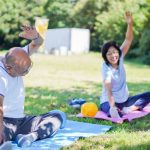
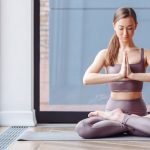


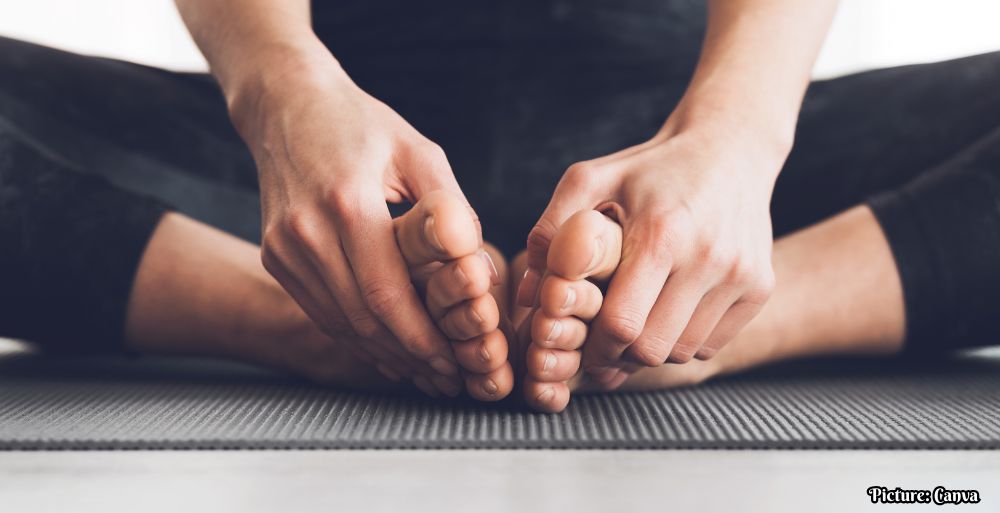
Yoga serves as an effective method for stress reduction, offering various postures that encourage relaxation and mindfulness, thereby enabling practitioners to cultivate a deeper sense of calm amidst the pressures of daily life.
In today’s fast-paced and often overwhelming environment, many individuals are seeking effective tools to manage stress. Yoga, a practice rooted in ancient traditions, has emerged as a popular solution. Its benefits extend beyond physical fitness, engaging the mind and spirit in ways that promote emotional well-being. Scientific research supports the notion that yoga can significantly lower stress levels by activating the parasympathetic nervous system, which is responsible for the body’s rest and relaxation response.
The physiological effects of yoga include reduced cortisol levels, lowered heart rates, and enhanced overall feelings of tranquility. According to a study published in the Journal of Alternative and Complementary Medicine, regular yoga practice can lead to measurable decreases in stress indicators among participants. As a result, many practitioners find solace in yoga, especially during particularly hectic times.
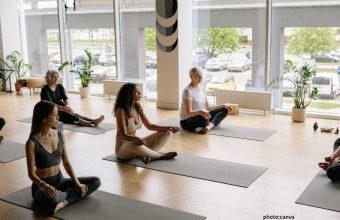
While attending a full-length yoga class can be beneficial, the time constraints of modern life often make this difficult. Fortunately, practitioners can still experience the calming effects of yoga by incorporating a few intentional poses into their daily routines. The following five poses are specifically designed to alleviate stress and foster mindfulness.
1. Easy Pose
Easy Pose, or Sukhasana, is a foundational posture commonly used in meditation and breathwork. This pose encourages practitioners to sit comfortably, grounding themselves while maintaining an upright and alert posture. It is crucial for the practitioner to feel at ease; thus, using props such as yoga blocks or cushions beneath the sit bones can enhance comfort and stability. This pose not only promotes relaxation but also prepares the mind for deeper introspection.
2. Reclining Bound Angle Pose
Reclining Bound Angle Pose, known as Supta Baddha Konasana, offers a nurturing embrace for the body. Practitioners lie on their backs with the soles of their feet together, allowing the knees to fall outward. This gentle opening of the hips is often described as a comforting hug. By placing one hand on the heart and the other on the belly, individuals can cultivate a deeper connection to their emotional state, reminding themselves of the importance of self-care. This pose also effectively releases tension in the hips and shoulders, areas where stress is commonly held.
3. Child’s Pose
Child’s Pose, or Balasana, is a restorative posture that invites individuals to surrender and find grounding. In this pose, practitioners kneel and fold forward, resting their foreheads on the mat or a block. This forward bend creates a compressive effect that can be incredibly soothing. The action of pressing the forehead into the ground encourages a sense of calm and stability. For those unable to reach the floor comfortably, using a folded blanket or cushion can provide additional support, ensuring that everyone can benefit from this pose.
4. Wide-Legged Standing Forward Bend
This pose, known as Prasarita Padottanasana, is a calming forward bend that offers the benefits of a mild inversion. By placing the head below the heart, individuals can enhance circulation and promote relaxation. The wider stance provides stability, allowing practitioners to focus on their breath and the release of tension without the worry of losing balance. Participants can rest their hands on the floor, their legs, or wherever feels accessible, allowing for a personalized experience.
5. Savasana
Often regarded as the most essential pose in yoga, Savasana, or Corpse Pose, embodies the essence of relaxation. In this final resting pose, practitioners lie flat on their backs, allowing their bodies to become completely still. This practice encourages individuals to let go of all tension and simply be present in the moment. The restorative nature of Savasana can lead to profound introspection and a renewed sense of clarity. After engaging in this practice, individuals may find that their perception of stress shifts, and they may even recognize that it no longer holds the same power over them.
Calin Van Paris, an editor at Yoga Journal, emphasizes the importance of personalizing yoga practices to cater to individual needs. With a decade of experience covering beauty and wellness for esteemed publications, she advocates for yoga’s accessibility as a powerful tool for stress relief. Currently pursuing her RYT-200 certification, Van Paris continues to deepen her understanding of yoga’s multifaceted benefits.
Integrating even a select few of these targeted yoga poses into one’s daily routine can significantly enhance emotional well-being and promote relaxation. As the pace of life continues to quicken, the ancient practice of yoga remains a steadfast ally in managing stress and nurturing a sense of tranquility. The versatility of yoga allows practitioners to find solace in their routines, whether they have a few minutes or a full hour to devote to their practice.
In conclusion, the effectiveness of yoga as a means of stress reduction is well-documented, and its application can be tailored to fit the unique circumstances of each individual. By embracing even a single pose, practitioners can cultivate a greater sense of calm, ultimately contributing to improved mental health and emotional resilience. As the world becomes increasingly demanding, the practice of yoga offers a sanctuary where individuals can reconnect with themselves, breathe, and find peace amidst the chaos.


No Comment! Be the first one.