




Pope Leo XIV Prepares for Key Meeting on Amoris Laetitia with Emphasis on Pastoral Theology

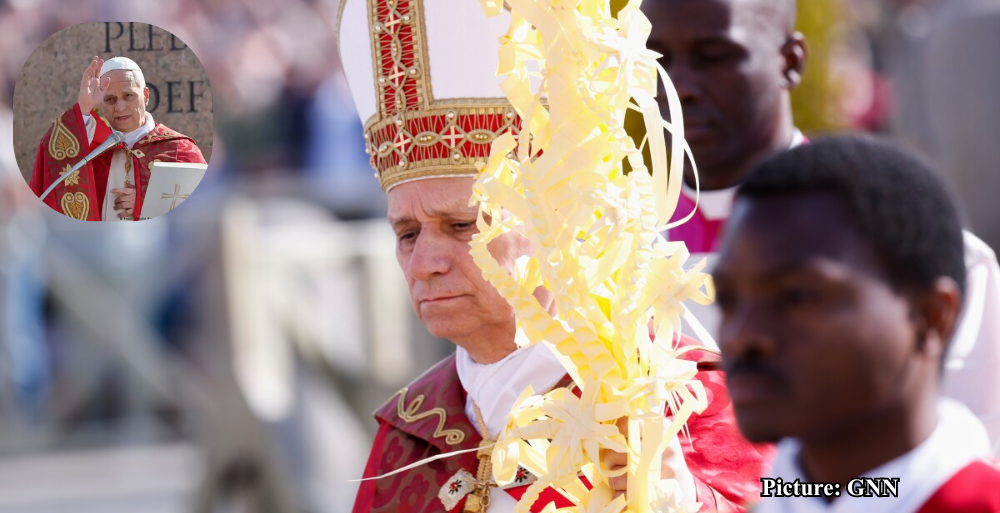
A thematic framework for an upcoming meeting of global episcopal conference presidents reveals Pope Leo XIV’s commitment to implementing reforms initiated by Pope Francis, focusing on pastoral care for families and acknowledging the complexities of modern life.
The Vatican has announced a thematic framework for an important meeting scheduled for autumn 2026, which will convene the presidents of the world’s episcopal conferences and their Eastern rite counterparts. This meeting will center on the reception and implementation of Pope Francis’ 2016 post-synodal exhortation, Amoris Laetitia, which addresses the pastoral care of families in contemporary society.
Three notable aspects of this framework emerge: the prioritization of pastoral experience, the omission of the contentious responses to Amoris Laetitia from certain factions within the Church, and the foundational assumption of a synodal church guiding both the meeting’s agenda and the broader church’s mission.
Pastoral Experience and Family Concerns
The document opens with a call to view reality through the lens of the Gospel, stating, “The starting point of the meeting is a gaze upon reality enlightened by the Gospel and rooted in Christ.” It emphasizes the necessity of recognizing the “signs of love which in some way reflect God’s own love,” advocating for an approach that patiently and discreetly accompanies individuals and families through various life challenges. This includes issues such as precarious employment, housing instability, illness, emotional solitude, and the care of family members with disabilities.
This focus on pastoral theology reflects a broader shift within the Church towards addressing the lived experiences of its members. The framework highlights the need for the Church to listen attentively to the realities faced by families, engaging with their struggles and recognizing both the beauty and fragility of love in daily life.
The Dicastery for Laity, Family and Life, led by Cardinal Kevin Farrell since 2016, has been pivotal in shaping this pastoral approach. The document specifically underscores the importance of supporting newly married couples and reaching out to young people. It poses critical questions about how the Church can effectively communicate the value of marriage to adolescents and young adults, advocating for educational and spiritual pathways that resonate with contemporary youth.
Furthermore, the framework asserts that the Church must not abandon those whose marriages have failed, acknowledging that “failure, fragility, the gap between the ideal and reality, and the complexity of life situations also become places in which the work of God’s grace may be recognized.” This perspective aligns closely with the overarching themes of Amoris Laetitia, which encourages a compassionate and understanding approach to family life.
Absence of Controversy
Another significant aspect of the preparatory framework is its lack of reference to the controversies that have historically accompanied Amoris Laetitia, particularly the fierce debates that emerged during the two synods on the family in 2014 and 2015. Critics, including prominent figures such as Philadelphia Archbishop Charles Chaput, voiced concerns that the exhortation could lead to confusion regarding the Church’s teachings on the divorced and remarried.
Chaput notably remarked at a symposium, “I think confusion is of the devil, and I think the public image that came across was one of confusion.” This sentiment reflects a broader unease among certain bishops regarding the implications of Pope Francis’ approach to pastoral care. Despite these concerns, the new framework appears to sidestep these controversies, focusing instead on a vision of a Church that embraces its responsibilities to support families.
Pope Francis had previously addressed the contentious issue of Communion for the divorced and remarried in Amoris Laetitia, stating, “I want to remind priests that the confessional must not be a torture chamber, but rather an encounter with the Lord’s mercy.” He further emphasized that the Eucharist should be viewed as “a powerful medicine and nourishment for the weak,” suggesting a pastoral rather than punitive approach to those in complex marital situations.
The Role of Synodality
The final observation regarding the thematic framework is its intrinsic acceptance of synodality as a guiding principle in ecclesial discussions. The document begins by reiterating Pope Leo XIV’s commitment to fostering a synodal process, which he describes as a means of engaging in “mutual listening” and discernment regarding the steps necessary to effectively communicate the Gospel to families today.
This emphasis on synodality indicates a significant transformation in the operational dynamics of the Vatican and the Church at large. Unlike prior synods that were often seen as mere formalities, the current approach prioritizes genuine dialogue and collaborative decision-making among bishops. This shift suggests a departure from an era where meetings were characterized by preordained outcomes and superficial participation.
As the Church navigates the complexities of modern family life, the themes of pastoral theology, a commitment to inclusivity, and the embrace of synodal practices appear to be at the forefront of Pope Leo XIV’s agenda. With this preparatory framework, it is evident that the pontiff is positioning the Church to better serve and support its members in their diverse and often challenging realities.





No Comment! Be the first one.