





This article outlines a 10-minute morning yoga routine designed to promote physical movement and mental focus, while emphasizing the importance of intention setting in daily practice.
A recent article published on June 15, 2026, introduces a concise 10-minute morning yoga routine that aims to invigorate the body and center the mind at the start of each day. The routine incorporates various poses, including seated stretches and standing movements, while encouraging practitioners to set a personal intention that resonates throughout their practice.
The routine begins with a moment of reflection where individuals are prompted to pause and establish a guiding thought for the day. For example, one affirmation drawn from a deck titled “I Radiate Joy” is, “My thoughts, words, and actions are aligned with my values.” This phrase serves as a focal point, intended to ground participants throughout the practice and their subsequent activities.
Seated Intention Setting
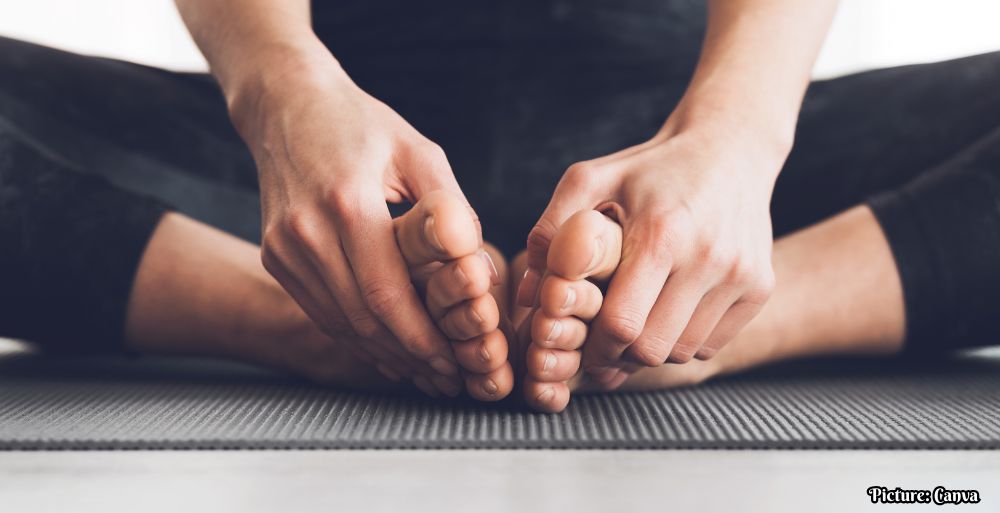
To start the routine, practitioners are advised to find a comfortable seated position, either cross-legged or kneeling. They are guided to roll their shoulders back, close their eyes, and place one hand on their lower belly and the other over their heart. This initial stage involves taking deep breaths through the nose, encouraging relaxation and a sense of calm. Participants are encouraged to repeat their chosen affirmation internally as they breathe, reinforcing their intention for the day ahead.
After five breaths, individuals are instructed to open their eyes and place their hands on their knees, beginning shoulder circles to further release tension in the body. This movement not only helps to loosen the shoulders but also aids in opening up the lower back and hips, essential areas for flexibility and comfort.
Dynamic Movements
The routine progresses with a series of dynamic poses, starting with a seated side body stretch. Participants extend one leg out to the side while reaching the opposite arm overhead, creating length through the side body. This is followed by a transition into a pose referred to as Baby Wild Thing, where individuals plant one hand behind them and lift their hips, flowing in and out of these two positions to enhance mobility and awareness of body alignment.
Next, individuals transition to a hands-and-knees position, focusing on core engagement and flexibility. The sequence includes a Knee to Nose pose, where practitioners draw their knee toward their nose while rounding their back, and a Three-Legged Dog pose, which encourages stretching through the calf and ankle. These movements are designed to gradually increase blood flow and warmth in the body.
Strengthening and Balancing Poses
Following the dynamic stretches, the routine leads into more grounding poses such as High Lunge and Warrior 2. The High Lunge requires participants to step forward between their hands, keeping the back knee elevated, and encourages strong engagement through the legs. As practitioners lift their arms and chest, they are guided to maintain a stable base by keeping their feet hip-distance apart, enhancing balance and strength.
Warrior 2 further emphasizes strength and focus, encouraging individuals to bend into their front knee while maintaining alignment in their upper body. This pose transitions into Reverse Warrior, where one arm reaches down while the other extends upward, creating a deep side stretch and fostering a sense of openness and flow.
Closing and Reflection
The routine concludes with a series of restorative poses, including Plank and Cobra, which promote spinal flexibility and core strength. Practitioners then transition into Child’s Pose, allowing for deep relaxation and contemplation. During this pose, participants are encouraged to take five slow breaths while repeating their affirmation, allowing the positive intention to resonate deeply.
After completing the sequence, individuals are invited to return to a seated position to reflect on their experience and the intention they set at the beginning of the practice. This closing moment reinforces the connection between the physical practice and mental focus, encouraging individuals to carry their affirmation into the day.
Benefits of Morning Yoga
The incorporation of yoga into a morning routine has been widely recognized for its myriad benefits, both physical and mental. Regular practice can lead to improved flexibility, increased strength, and enhanced mental clarity. The discipline of yoga has its roots in ancient traditions, which have long emphasized the importance of aligning the body and mind.
Furthermore, setting an intention at the start of the day can significantly influence one’s mindset and productivity. Research in psychology suggests that intention setting can lead to greater motivation and accomplishment throughout the day. By consciously choosing an affirmation or goal, individuals may find themselves more focused and resilient in the face of challenges.
Conclusion
Overall, this 10-minute morning yoga routine serves as a practical tool for those seeking to enhance their physical well-being and mental clarity. By integrating intention setting with movement, the practice aims to provide a holistic approach to starting the day grounded and energized. As more individuals turn to yoga for both physical fitness and mental health benefits, routines like this one offer accessible methods for incorporating mindfulness and wellness into daily life.






No Comment! Be the first one.