





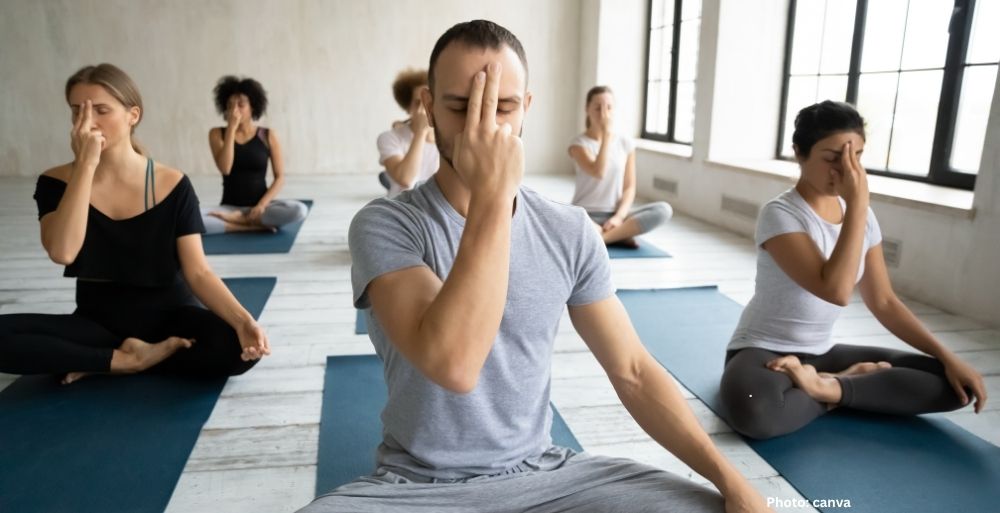
Recent research indicates that emphasizing exhalation can significantly enhance relaxation and reduce anxiety by activating the parasympathetic nervous system, offering a practical tool for mental well-being.
As anxiety and stress levels continue to rise in modern society, the practice of mindful breathing has gained recognition as an essential tool for improving mental and physical well-being. Traditionally, much of the focus in breathing exercises has been on deep inhalations. However, an emerging body of research and personal experiences highlight the critical importance of exhalation, suggesting that shifting attention from inhaling to lengthening and deepening exhalation can lead to substantial improvements in emotional regulation and relaxation.
The Breathing Process and Its Impact
Breathing is a fundamental, instinctual process that occurs unconsciously for most individuals. However, the quality and awareness of this process can vary significantly. Daily life often encourages shallow breathing or even breath-holding during stressful moments—whether at work, while commuting, or during leisure activities. These patterns may go unnoticed yet can profoundly impact overall well-being.
A recent reflection on personal breathing habits revealed a concerning trend: a surprising lack of depth in exhalations. During a period of focused breathing exercises, the individual discovered that they were predominantly inhaling without giving equal attention to the exhalation phase. This realization prompted a deliberate shift in focus that transformed the quality of their breathing experience.
The Science of Exhalation and Its Benefits
Scientific research supports the idea that extending exhalations enhances the activity of the parasympathetic nervous system, which governs the body’s rest-and-digest functions. This physiological response is essential for signaling safety and calmness, particularly in times of anxiety. Studies have shown that individuals who practice longer exhalations can experience diminished symptoms of anxiety and increased overall well-being.
Historically, the ability to exhale deeply may have played a crucial role in human survival. For our ancestors, deep exhalations could signify a return to safety following periods of stress, reinforcing the notion that breath control is not merely a contemporary wellness trend but a practice deeply rooted in our evolutionary heritage. The capacity to breathe out fully serves as an innate response to stress, facilitating emotional regulation and mental clarity.
Practical Applications of Exhalation Techniques
The phrase “take a deep breath” is widely used to promote the act of deep inhalation, filling the lungs with oxygen. However, the intentional act of releasing breath can yield transformative effects on one’s mental state. By concentrating on exhalation, individuals can better manage stress and anxiety, ultimately enhancing emotional resilience. This technique serves as a grounding exercise that cultivates a mindful approach to daily challenges.
As individuals begin to integrate longer exhalations into their daily routines, they may notice marked improvements in their overall sense of calm. This practice is particularly beneficial during periods of heightened stress or when confronted with challenging situations. By consciously releasing tense breaths, individuals can cultivate a tranquil mindset, ultimately enhancing their capacity to navigate life’s ups and downs with greater ease.
Changing Perspectives on Breathing
The exploration of breathing techniques underscores the potential benefits of small shifts in practice and language. By reframing the focus from inhalation to exhalation, individuals can transform their relationship with breathing and, consequently, their emotional well-being. The individual who shifted their focus to exhalation found that this simple adjustment changed their perception of stress and anxiety, promoting a more peaceful mental landscape.
This shift in perspective is not merely anecdotal; it is supported by a growing body of research highlighting the physiological and psychological benefits of mindful breathing practices. As awareness surrounding the significance of exhalation increases, individuals may unlock new pathways to relaxation and mental clarity. This exploration serves as a reminder of the inherent connection between the body and mind, emphasizing the role of breath in emotional regulation.
Conclusion
The emphasis on exhalation in breathing practices invites a broader understanding of how we manage stress and anxiety. As individuals become more attuned to their breathing patterns and the impact of deliberate exhalation, they may discover valuable techniques for enhancing their overall well-being. This exploration not only highlights the importance of mindful breathing but also serves as a testament to the transformative power of focusing on the release of breath, ultimately fostering a more balanced and harmonious existence.
In conclusion, the simple act of consciously exhaling can open new avenues for emotional resilience and mental clarity. By recognizing the importance of both inhalation and exhalation, individuals can cultivate a more mindful approach to their breathing, leading to improved mental health and well-being over time. As the conversation around mental health continues to evolve, the integration of breathing techniques into everyday life offers a practical strategy for promoting a sense of calm and stability amidst the challenges of modern living.





No Comment! Be the first one.