




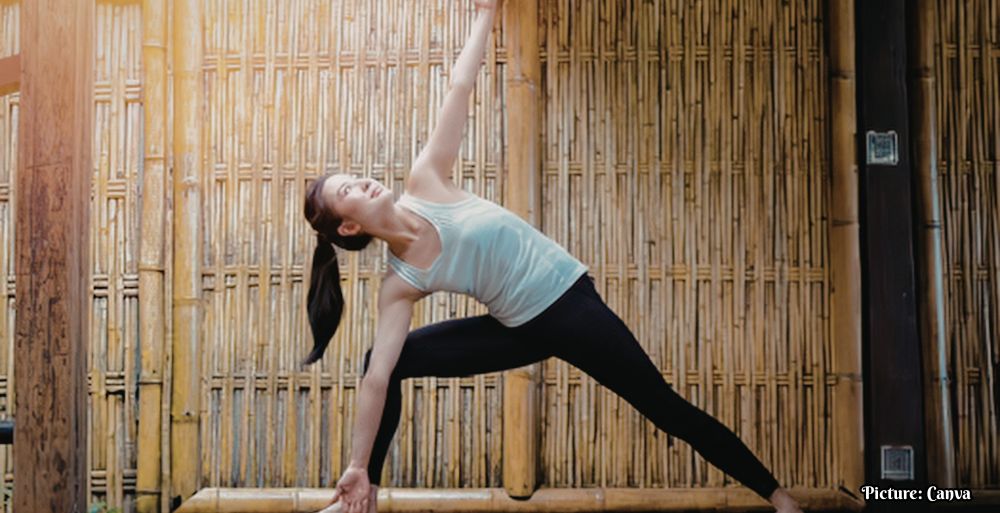
A yoga instructor highlights a four-move routine designed to enhance mobility and support recovery for players engaged in racket sports such as tennis, padel, and pickleball.
As racket sports gain popularity among recreational athletes, the importance of effective warm-up and recovery routines becomes increasingly apparent. Carla Gibert, a certified yoga instructor working with Neilson Active Holidays at the Torre del Barone resort in Sicily, emphasizes the need for proper preparation and recovery techniques to maintain peak performance on the court.
Many enthusiasts of tennis, padel, and pickleball often overlook essential pre- and post-game routines. Instead, they typically engage in a casual warm-up followed by intense competition, which can lead to fatigue and potential injury. Gibert notes that this oversight is particularly concerning as athletes age, as the body becomes less resilient to sudden physical exertion.
After a recent experience at the Neilson x Mangia’s Torre del Barone resort, where participants shifted between various racket sports, Gibert observed that players frequently reported discomfort in their shoulders and lower backs. “It’s really important to maintain your core and your posture for all racket sports,” she stated, highlighting a common issue among recreational players.
According to Gibert, shoulder strength and mobility are critical components of performance in tennis and similar sports. Many players aggravate their shoulders due to a lack of proper conditioning. To counter this, she recommends performing a daily plank exercise, along with scapular retractions to enhance mobility.
Four-Move Routine for Enhanced Mobility
Gibert’s four-move routine aims to prepare athletes for competitive play and aid in recovery afterward. She suggests cycling through the four exercises two to three times before a match for 30 seconds each, emphasizing dynamic movements to promote blood flow and flexibility. After gameplay, she advises slowing the tempo and performing each exercise for three minutes to facilitate deeper stretching and recovery.
“That will really help open up your fascia—the layer of tissue that surrounds your muscles—that can get a bit dehydrated after exercise,” Gibert explained. She further noted that holding stretches for longer periods can yield better results, providing both physical and mental relaxation akin to the benefits of a good night’s sleep.
Details of the Recommended Exercises
Here are the four exercises that Gibert recommends for enhancing mobility:
1. Child’s Pose (Balasana)
To perform Child’s Pose, begin on your hands and knees with knees slightly wider than hip-width apart and big toes touching. Sit your hips back toward your heels and walk your hands forward, extending your arms. Gently lower your chest toward the mat, allowing your forehead to rest on the floor. Relax your shoulders and breathe deeply, focusing on expanding your ribs with each inhale.
2. Downward-Facing Dog (Adho Mukha Svanasana)
Start on your hands and knees, ensuring your wrists are under your shoulders and knees under your hips. Tuck your toes and press your upper body into the air to form an inverted V-shape. If your hamstrings feel tight, maintain a slight bend in your knees while focusing on lifting your hips. Breathe steadily while keeping your arms straight and spine elongated.
3. Cobra (Bhujangasana)
Lie face down on the floor, legs straight and tops of your feet pressing into the mat. Place your hands beside your lower ribs, with elbows bent. Press through your hands to lift your chest, rolling your shoulders back to open your chest. Lengthen your spine and keep your neck straight. If you feel discomfort in your lower back, adjust by bending your arms to lower your chest.
4. Thread the Needle (Urdhva Mukha Pasasana)
Begin on your hands and knees with wrists under shoulders. Reach your left hand out to the side and rotate your upper body, raising your left arm. Thread your left arm between your right wrist and knee, lowering your left shoulder to the mat. Keep your hips aligned and breathe evenly. Press into your supporting hand to return to the starting position and repeat on the opposite side.
Gibert’s recommendations highlight the significance of incorporating mobility routines into athletic practices, particularly for players of all skill levels engaged in racket sports. As these sports continue to grow in popularity, understanding the physical demands and adopting preventive strategies becomes essential for longevity in gameplay.
For those seeking to improve their performance and reduce the risk of injury, integrating these four mobility exercises into training and recovery routines may provide significant benefits, facilitating a more enjoyable and sustainable sporting experience.


No Comment! Be the first one.