





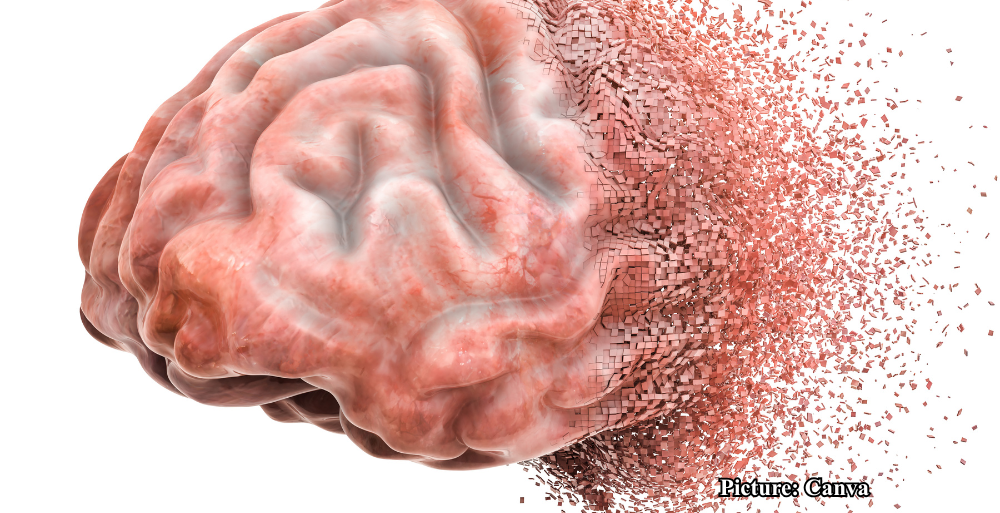
This study highlights the amygdala’s significant role in memory formation, suggesting it could be a key target for therapies aimed at treating memory-related disorders.
A recent study conducted by researchers at Cedars-Sinai Health Sciences University has identified the amygdala, a small but crucial region of the brain, as a key player in the formation of long-term memories. Published in the journal Nature Neuroscience, the findings suggest that the amygdala may serve as a target for new therapeutic approaches to treating memory disorders such as Alzheimer’s disease and temporal lobe epilepsy.
Traditionally, the amygdala, located deep within the temporal lobe, has been primarily associated with processing emotions, particularly those related to fear and social behavior. However, this new research indicates that its role extends far beyond these functions. The study’s authors discovered that the amygdala filters and selects which experiences are stored as long-term memories, playing a critical role in how individuals navigate their daily lives.
Research Methodology and Findings
The researchers conducted their study using data collected from 112 surgical patients who had electrodes implanted in their brains to monitor seizure activity. These patients were presented with various novel images they had never encountered before and were later asked to recall these images. The results demonstrated a clear correlation between the activity of specific neuron types in the amygdala and the patients’ ability to remember these images later on.
Ueli Rutishauser, PhD, the study’s corresponding author and director of the Center for Neural Science and Medicine at Cedars-Sinai, stated, “Our results demonstrate that the activity of specific kinds of neurons in the amygdala predicts, while the person sees an image for the first time, whether that image will later be remembered.” He emphasized the importance of episodic memories, which include personal experiences such as remembering where one parked a car or recalling details of a recent family vacation.
Neural Mechanisms at Play
The research findings indicate that certain types of neurons in the amygdala respond selectively to different categories of images, such as faces, animals, or landscapes. The strength of these neurons’ reactions had a direct impact on the likelihood of the patients recalling the images later. This discovery underscores the amygdala’s pivotal role in tagging and storing significant experiences for future retrieval.
Data collection for this study was facilitated by a consortium of institutions led by Cedars-Sinai and funded by the National Institutes of Health (NIH) Brain Research Through Advancing Innovative Neurotechnologies (BRAIN) initiative. Such collaboration across institutions was crucial for gathering extensive data, which ultimately contributed to this significant scientific breakthrough.
Clinical Implications and Future Research
Dr. Mauricio Rangel-Gomez, a program officer at the NIH, remarked on the study’s potential impact, stating, “This is an impactful study that provides mechanistic insight into the role of the human amygdala—a region commonly associated with emotional responses—in determining which experiences and stimuli become lasting episodic memories.” This kind of insight is vital for developing potential interventions for memory-related disorders.
Rutishauser further noted the clinical implications of the findings, suggesting that memory impairments observed in disorders like Alzheimer’s and temporal lobe epilepsy might be linked to disrupted processes within the amygdala. He proposed that targeting this brain region with neuromodulation or cellular therapies could offer new treatment avenues for these conditions. This potential for therapeutic application underlines the necessity of continued research into the amygdala’s functions.
Jiayang Xiao, PhD, the first author of the study, emphasized the need for future research to explore whether the amygdala’s memory-forming role extends to other sensory modalities such as sounds and smells. The possibility of establishing a broader understanding of how the amygdala operates across different types of sensory input remains a key area for further investigation.
Adam Mamelak, MD, director of the Epilepsy and Functional Neurosurgery Program at Cedars-Sinai and co-author of the study, concluded by emphasizing the dual importance of scientific discovery and patient care. He stated, “Beyond the pure scientific value of these breakthroughs, we are laser-focused on applying this new knowledge to improving the lives of patients.” The study not only adds to the existing body of knowledge regarding human memory but also opens up new paths for therapeutic intervention in memory disorders.
Broader Implications for Memory Research
The findings from this study represent a significant advancement in the understanding of how memories are formed and could lead to breakthroughs in treating memory-related disorders. As the medical community continues to grapple with the challenges posed by disorders like Alzheimer’s disease, which currently affects an estimated 6.5 million Americans, insights into the underlying mechanisms of memory could prove invaluable.
In addition to potential treatments, this research also stresses the importance of interdisciplinary collaboration in science. The integration of clinical data from neurosurgical patients has provided researchers with unique insights that would be difficult to obtain through traditional study methods. The success of this approach highlights the value of partnerships between research institutions, healthcare providers, and funding agencies like the NIH.
As researchers explore the implications of the amygdala’s role in memory formation, the potential for new therapies targeting this region could reshape how memory disorders are treated. Continued investigation into the brain’s neural circuitry and its impact on memory could yield strategies that not only enhance our understanding of memory formation but also offer hope for those suffering from debilitating memory impairments.




No Comment! Be the first one.