






Experts recommend high-fiber, low-salt snacks for individuals managing high cholesterol and blood pressure, highlighting the benefits of foods like Greek yogurt with fruit and air-popped popcorn.
As individuals increasingly seek to manage high cholesterol and blood pressure, dietary choices play a crucial role in promoting cardiovascular health. Understanding what constitutes a healthy snack can significantly impact overall well-being. In a recent discussion, Dr. Alex Gyftopoulos, a cardiologist at the University of Maryland Medical Center, provided insights into optimal snack selections for those facing these health challenges.
Importance of Snack Choices
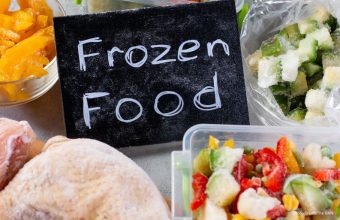
For individuals grappling with high cholesterol and blood pressure, making informed snack choices is essential. According to Dr. Gyftopoulos, low-fat Greek yogurt topped with berries or other fruits is an ideal snack. He emphasizes that fruits and vegetables—whether fresh, frozen, or canned, as long as they are free from added sugars—are beneficial. “We’re looking for foods that are high in fiber and low in salt, fat, and sugar,” Dr. Gyftopoulos stated. “If we can get some protein in there, that’s great too.” This approach aligns with broader dietary recommendations aimed at reducing the risk of cardiovascular issues.
The Role of Fiber
Fiber plays a critical role in managing cholesterol levels. Dr. Gyftopoulos explains that dietary fiber binds to bile acids used in digestion, which are composed of cholesterol. Normally, the body reabsorbs these acids; however, when fiber binds to them, they are expelled from the body, prompting the liver to draw more cholesterol from the bloodstream to produce new bile acids. “That’s one of the reasons why fiber is so beneficial,” he noted. This mechanism underscores the importance of incorporating fiber-rich foods into daily diets, particularly for those with elevated cholesterol levels.
Benefits of Protein
In addition to fiber, Dr. Gyftopoulos underscores the importance of protein in snacks. Protein not only contributes to satiety but also helps manage cravings. “It’s great to have because it helps you feel fuller for longer,” he pointed out. “With a single healthy snack that contains protein, you can feel satisfied and avoid the temptation of less healthy options.” This aligns with findings from various nutritional studies that suggest increased protein intake can enhance feelings of fullness and reduce overall calorie consumption.
Recommended Snack Options
Beyond Greek yogurt and fruit, Dr. Gyftopoulos suggests several other nutritious snack alternatives. Air-popped popcorn, for example, is a surprising source of fiber and is easy to prepare without added fats. “Many people don’t know that there’s actually a decent amount of fiber in popcorn,” he remarked. Similarly, mixed nuts that are low in salt can serve as a filling snack, providing both protein and fiber. These options not only support heart health but also satisfy cravings without the detrimental effects associated with high-sugar or high-salt snacks.
Snacks to Avoid
While understanding healthy snack options is crucial, it is equally important to recognize what to avoid. Dr. Gyftopoulos advises steering clear of heavily processed and packaged snacks, such as potato chips, which often contain excessive salts and unhealthy fats. He cautions against items like cookies and crackers that are made with refined carbohydrates, which can spike blood sugar levels and detract from the goals of lowering cholesterol and blood pressure. This reflects a broader public health concern regarding the prevalence of ultraprocessed foods in modern diets, which are linked to various health issues.
Overall Dietary Patterns
Dr. Gyftopoulos emphasizes that while individual snack choices matter, they should be viewed within the broader context of an overall healthy dietary pattern. He encourages a vegetable-forward approach, incorporating a variety of fresh, frozen, or canned vegetables and fruits, along with lean meats and plant-based proteins. “We’re looking at big principles and patterns—we’re not going to beat ourselves up over small missteps,” he advised. This perspective underscores the importance of maintaining a balanced diet that supports heart health, emphasizing sustainability and overall lifestyle changes rather than short-term dietary fixes.
Understanding Cardiovascular Health
High cholesterol and elevated blood pressure are significant risk factors for cardiovascular diseases, which remain leading causes of morbidity and mortality worldwide. According to the Centers for Disease Control and Prevention (CDC), nearly half of U.S. adults have high blood pressure, and about 38% have high cholesterol. These conditions often coexist and can lead to serious complications, such as heart attacks and strokes. Thus, dietary interventions, including healthy snacking, are vital components of a comprehensive strategy to mitigate these risks.
Conclusion
In conclusion, individuals managing high cholesterol and blood pressure can benefit from being mindful of their snack choices. By opting for high-fiber, low-salt options such as Greek yogurt with fruit, air-popped popcorn, and mixed nuts, they can support their cardiovascular health while enjoying satisfying snacks. As Dr. Gyftopoulos aptly noted, adopting a holistic approach to diet and lifestyle can enhance individual well-being and contribute to better health outcomes.





No Comment! Be the first one.