




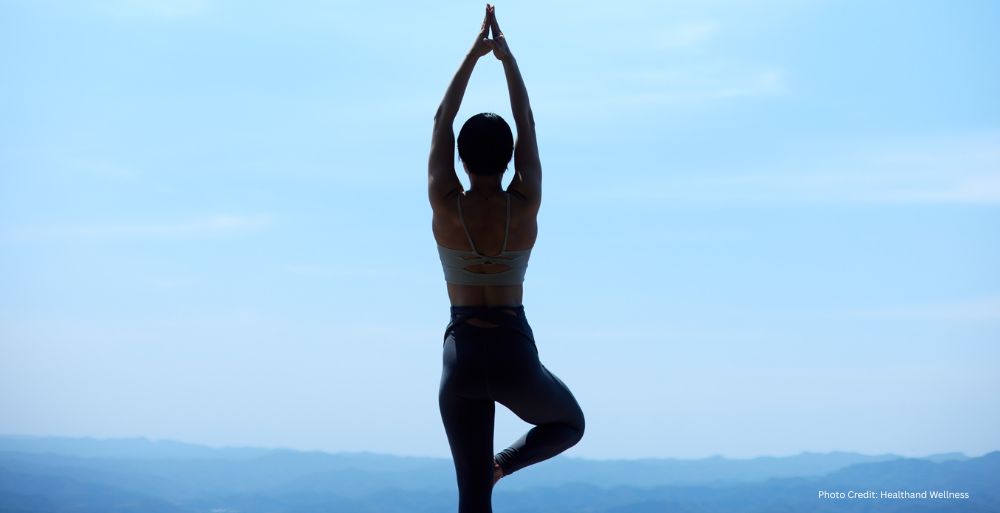
Yoga instructor Taylor Lorenz presents an 8-minute sequence designed to enhance posture, addressing the widespread issue of slouching prevalent in modern work environments.
As the prevalence of sedentary lifestyles continues to rise, the challenge of maintaining proper posture has become increasingly significant for many individuals. Taylor Lorenz, a certified yoga instructor with over 800 hours of training in vinyasa, hatha, and yin yoga, has developed an 8-minute yoga sequence specifically aimed at counteracting the adverse effects of slouching and promoting better spinal alignment. This practical guide, published on September 17, 2026, offers individuals a pathway to enhance their posture through mindful movement.
The Growing Need for Postural Awareness
The modern workplace has transformed dramatically with the advent of remote work and a heavy reliance on digital devices, causing many individuals to sit for extended periods. According to a report by the American Chiropractic Association, approximately 31 million Americans experience lower back pain at any given moment, often attributed to poor posture and sedentary habits. The implications of these statistics underscore the urgency for individuals to incorporate practices such as yoga into their daily routines to foster better spinal health and well-being. Chronic poor posture can lead to a host of health issues, including musculoskeletal disorders, decreased lung capacity, and even digestive problems.
Overview of the Yoga Sequence
The yoga sequence designed by Lorenz requires no props, making it accessible for all individuals interested in improving their posture. Practitioners need only a yoga mat and a commitment to enhancing their physical alignment. Each pose in this sequence is meticulously chosen to strengthen and lengthen muscles while promoting awareness of proper alignment, essential for counteracting the effects of prolonged sitting.
Step-by-Step Breakdown of the Practice
The sequence commences with the Thunderbolt Pose, where practitioners kneel with their toes tucked and hands resting on their thighs. This pose establishes a foundation for the practice, encouraging individuals to visualize their spine aligning vertically, fostering a connection to their physical body.
Next, participants transition into a Kneeling Cow Pose, arching their spine while drawing their shoulders back. This is followed by the Kneeling Cat Pose, where practitioners round their spine, tucking their chin and drawing their shoulders forward. This alternating movement performed over three cycles of breath fosters a connection between movement and breath, a fundamental aspect of yoga practice.
The flow continues with Eagle Arms, where practitioners sweep their arms overhead and intertwine them, performing small circles with the elbows to open the shoulders. This movement is complemented by the Cactus Arms pose, engaging the upper body further through a gentle backbend.
Subsequently, participants flow into a Low Lunge, stepping one foot forward while lifting their arms overhead. This pose is particularly beneficial for stretching the hips and reinforcing balance and strength in the lower body. The sequence progresses through a Wide-Legged Standing Forward Bend and a Revolved Wide-Legged Standing Forward Bend, allowing for deeper stretches and spinal rotation.
Practitioners then enter the Downward-Facing Dog position for three deep breaths, a pose renowned for its ability to elongate the spine and strengthen the arms and legs, offering a full-body stretch.
Completing the Sequence
The practice culminates in a return to the Thunderbolt Pose, where practitioners address both sides of the body through additional repetitions of Eagle Arms, Cactus Arms, and other poses. The sequence concludes with a Standing Forward Bend and Mountain Pose, emphasizing grounding and posture awareness.
Benefits of Regular Practice
Engaging in this concise yoga sequence can lead to a multitude of benefits, including improved posture, enhanced flexibility, and a greater sense of body awareness. By dedicating just eight minutes each day, individuals may experience relief from common discomforts associated with prolonged sitting, such as neck and back pain. Furthermore, the mindfulness aspect of yoga encourages practitioners to develop a deeper connection with their bodies, which can promote overall wellness.
Conclusion
Incorporating this 8-minute yoga practice into daily routines serves as a proactive measure against the detrimental effects of a sedentary lifestyle. By fostering better posture, individuals not only improve their physical health but also enhance their mental clarity and emotional resilience. As Taylor Lorenz emphasizes, taking the time to care for one’s body through yoga is a valuable investment in long-term well-being. As the modern world increasingly demands long hours of sitting, integrating mindful practices such as this yoga sequence can play a crucial role in mitigating health risks associated with poor posture.


No Comment! Be the first one.