




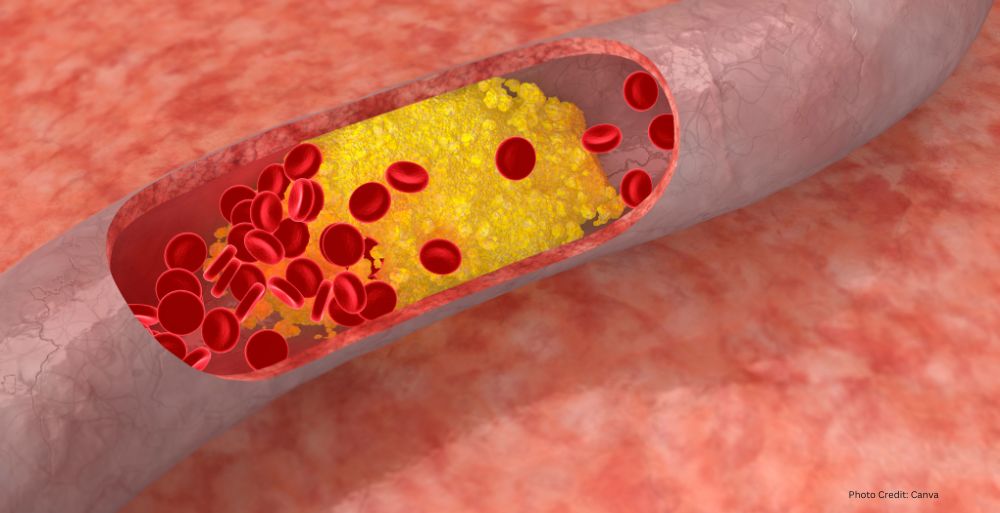
Recent insights from dietitian Shannon Stockero reveal that dietary cholesterol may not significantly impact blood cholesterol levels for most people, highlighting the importance of overall dietary patterns and lifestyle choices.
In a recent discussion, Shannon Stockero, a culinary dietitian based in Minneapolis-St. Paul and spokesperson for The Obesity Society, shed light on the evolving understanding of dietary cholesterol and its implications for heart health. Historically, dietary cholesterol, found in animal-based foods, was deemed detrimental to cardiovascular health. However, contemporary research suggests that it can be included in a balanced diet, particularly when saturated fat intake is monitored.
Stockero emphasizes that the misconception surrounding dietary cholesterol posits that it automatically elevates blood cholesterol levels. “The biggest misconception I hear is that foods high in cholesterol automatically raise blood cholesterol levels,” she noted. “While dietary cholesterol can affect cholesterol levels in some people, it generally has a much smaller impact than many people think.” This insight reflects a significant shift in dietary guidelines that now focus more on overall eating patterns rather than isolating specific nutrients.
Impact of Dietary Changes on Cholesterol Levels
When addressing the question of which dietary modifications yield the most significant effects on cholesterol levels, Stockero states that replacing saturated fats with unsaturated fats is among the most effective strategies. Saturated fats, commonly found in fatty meats, butter, and full-fat dairy products, are known to raise low-density lipoprotein (LDL) cholesterol, often referred to as “bad” cholesterol. In contrast, unsaturated fats, prevalent in foods like olive oil, avocados, nuts, seeds, and fatty fish, can help improve cholesterol levels.
“Getting more fiber — especially soluble fiber from foods like oats, beans, lentils, apples, and barley — can also have a meaningful impact on lowering LDL cholesterol,” Stockero adds. Soluble fiber acts as a sponge in the digestive system, binding to cholesterol and aiding in its elimination from the body. This process underscores the importance of incorporating fiber-rich foods into one’s diet, such as whole grains, fruits, and vegetables.
Common Misunderstandings About Fats
Stockero also addresses the common belief that all fats are harmful, which she argues is an oversimplification. “Many people still think they need to follow a very low-fat diet to improve cholesterol levels. But healthy fats are important for nutrient absorption, feeling full, and overall heart health,” she explained. The emphasis should be on selecting healthier fat options rather than eliminating fats altogether.
The Role of Specific Foods in Cholesterol Management
When queried about whether dietary cholesterol from sources such as eggs and shrimp poses a concern, Stockero reassures that these foods can fit into a heart-healthy diet. “For most people, eggs and shrimp can absolutely fit into a heart-healthy diet. Both provide high-quality protein and valuable nutrients,” she said. This perspective encourages individuals to focus on their overall dietary intake rather than fixating on individual foods.
In discussing the differential effects of saturated, trans, and unsaturated fats, Stockero explains that saturated fats elevate LDL cholesterol levels, while trans fats not only raise LDL but also lower high-density lipoprotein (HDL), known as “good” cholesterol. Fortunately, the prevalence of artificial trans fats in the food supply has decreased significantly, although some processed foods may still contain them.
Practical Dietary Swaps for Heart Health
As a chef-dietitian, Stockero advocates for enjoyable yet nutritious food swaps. “One of my favorite swaps is combining plant proteins with animal proteins. For example, when making tacos, try using half ground beef and half black beans,” she suggests. This method not only preserves flavor but also increases fiber while reducing saturated fat intake. Additional recommendations include using olive or avocado oil in place of butter or lard and opting for fatty fish over processed meats.
Addressing the balance between dietary enjoyment and health, Stockero emphasizes that individuals do not have to completely eliminate their favorite foods to manage cholesterol levels effectively. “It’s good to be mindful of portion sizes and how often you eat foods high in saturated fat while still enjoying favorite foods occasionally,” she advises.
Evaluating Popular Diets
In the context of various dietary patterns, Stockero highlights the Mediterranean and DASH diets as having the strongest evidence for improving cholesterol levels. Both diets prioritize fruits, vegetables, whole grains, legumes, nuts, and unsaturated fats while limiting saturated fat intake. These diets are not only beneficial for heart health but also adaptable to individual preferences and sustainable over time.
While some may find success with ketogenic or carnivore diets, Stockero cautions that these approaches often lead to higher saturated fat consumption and potential increases in LDL cholesterol, advising against them as primary strategies for cholesterol management.
Three Key Recommendations for Managing Cholesterol
Stockero concludes with three essential pieces of advice for those monitoring their cholesterol levels: First, prioritize fiber intake by incorporating a variety of fiber-rich foods throughout the day. Second, focus on swapping out saturated fats for healthier unsaturated options rather than attempting to eliminate all fats. Lastly, prioritize regular physical activity, which is crucial for improving cholesterol levels and overall cardiovascular health. “The best exercise is the one you’ll do consistently,” she notes, reinforcing the importance of finding enjoyable physical activities.


No Comment! Be the first one.