




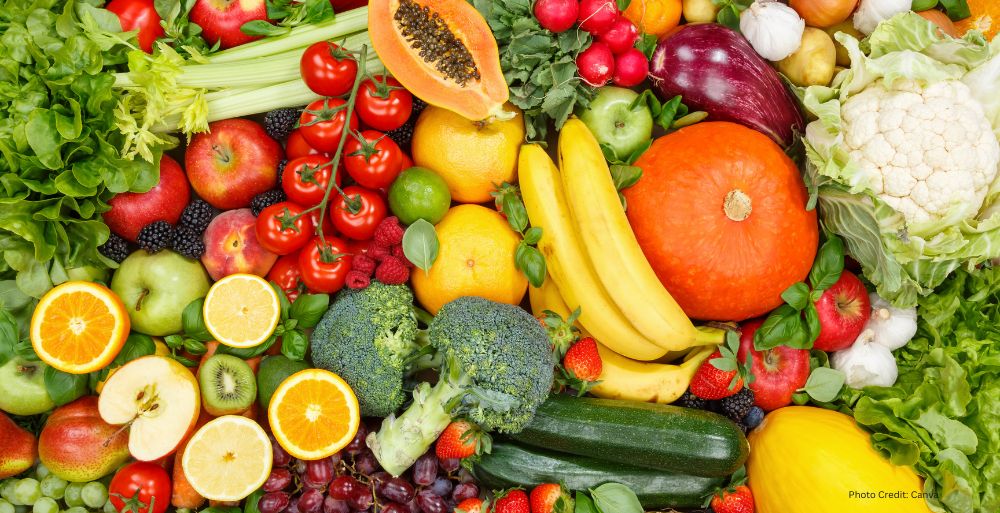
Many commonly consumed fruit and vegetable skins are rich in nutrients and can provide significant health benefits, often containing higher concentrations of vitamins, minerals, and antioxidants than the flesh itself.
As public awareness of nutrition continues to grow, the consumption of fruit and vegetable skins has garnered attention for their potential health benefits. Many individuals primarily focus on the edible flesh of these foods, overlooking the skins that often contain a wealth of nutrients. This article explores the various health benefits of consuming the skins of popular fruits and vegetables, highlighting their nutritional profiles and potential culinary uses.
Potatoes: A Nutrient Powerhouse
While potatoes are often regarded solely for their starchy interior, the skin of the potato is nutrient-dense. It contains significant amounts of fiber, as well as vitamins B and C, potassium, calcium, and iron. According to the USDA, a medium potato with skin contributes over 2 grams of fiber and a substantial portion of daily recommended values for several vitamins and minerals. By consuming the skin, individuals can enhance their intake of these essential nutrients, contributing to overall health.
Peaches: Antioxidant-Rich Skins
The skin of peaches is another example of a nutritious byproduct that is often discarded. Rich in antioxidants and dietary fiber, peach skin also provides a substantial amount of vitamin A. The carotenoids found in peach skins are believed to reduce the risk of cataracts, according to studies published in the journal Ophthalmology. Including peach skins in one’s diet can aid digestion while delivering valuable nutrients.
Eggplants: The Benefits of Darker Skins
Eggplant skins are particularly noteworthy for their high antioxidant content, especially in darker varieties such as purple eggplants. Research indicates that these antioxidants, including nasunin, can help combat oxidative stress and inflammation. However, some may find the texture of eggplant skin to be somewhat chewy, which could deter consumption. Cooking methods that soften the skin, such as roasting or grilling, can make it more palatable.
Watermelon: Versatile Rind Benefits
Interestingly, the rind of watermelons is often overlooked but is rich in citrulline, an amino acid that aids in removing nitrogen from the blood and may help alleviate muscle soreness. The rind actually contains more citrulline than the fruit itself, as noted by nutritional experts. For those hesitant to eat the rind raw, it can be pickled, juiced, or stir-fried, presenting versatile culinary options. This adaptability encourages consumers to utilize the entire watermelon rather than discarding a significant portion.
Apples: A Fiber-Rich Peel
Apple peels are a powerhouse of nutrients, often containing more vitamins and fiber than the flesh. The high fiber content plays a crucial role in preventing cholesterol buildup in blood vessels. Additionally, apple skins are rich in quercetin, an antioxidant that supports brain and lung function, making it beneficial to consume them as part of a healthy diet. The American Heart Association has recommended apples as part of a heart-healthy diet, emphasizing the importance of consuming the skin.
Cucumbers: Nutrient Concentration in the Skin
The dark green skin of cucumbers is where most of the nutrients are concentrated, including potassium, antioxidants, and fiber. The skin also provides vitamin K, essential for bone health and blood clotting. However, if the cucumber has a wax coating and is not organic, peeling may be advisable to avoid ingesting unwanted chemicals. Nutritionists suggest buying organic cucumbers to maximize health benefits while consuming the skin.
Kiwis: Nutrient-Dense and Edible Fuzz
Despite their fuzzy exterior, kiwi skins are edible and packed with nutrients. By removing the fuzz, consumers can enjoy a rich source of antioxidants, flavonoids, and vitamin C. Notably, the skin contains a higher concentration of these beneficial compounds compared to the flesh, making it a valuable addition to the diet. Including kiwi skins in smoothies or fruit salads can enhance the nutritional profile of these dishes.
Zucchini: Bitter Yet Beneficial
Zucchini skins might present a slightly bitter taste, but they are loaded with nutrients, including fiber, potassium, and vitamin C. The skin is also rich in antioxidants such as lutein, carotenoids, and zeaxanthin. To incorporate zucchini skins into meals, they can be combined with other flavors in salads or cooked in various dishes, providing a healthful boost to everyday recipes.
Bananas: Tough Yet Nutritious Peels
Banana peels, although tough and bitter, offer health benefits, including potassium and lutein, which support eye health. They also contain tryptophan, an amino acid. To make banana peels more palatable, they can be boiled and baked, transforming them into a healthful addition to smoothies or teas. With increasing interest in plant-based diets, banana peels have found a place in various culinary innovations.
Oranges: Harnessing the Power of the Peel
Orange peels are exceptionally rich in vitamin C, containing twice the amount found in the fruit’s flesh. They also offer vitamin B6, calcium, potassium, magnesium, and riboflavin. However, due to their bitterness and digestive difficulty, it is recommended to use a grater to create orange zest, which can enhance the flavor of salads, desserts, and various dishes. Culinary experts note that incorporating zest can add a unique flavor profile, making it a favorite among chefs.
In conclusion, the skins of many fruits and vegetables are not only edible but also packed with nutrients that can significantly contribute to health. By incorporating these skins into the diet, individuals can enhance their nutrition and enjoy a broader range of flavors and textures in their meals. With ongoing discussions about food waste and sustainability, promoting the consumption of these often-discarded parts of produce aligns with broader environmental and health goals, encouraging a more holistic approach to eating.



No Comment! Be the first one.