




Virat Kohli Highlights Link Between Physical Fitness and Cognitive Performance in Cricket

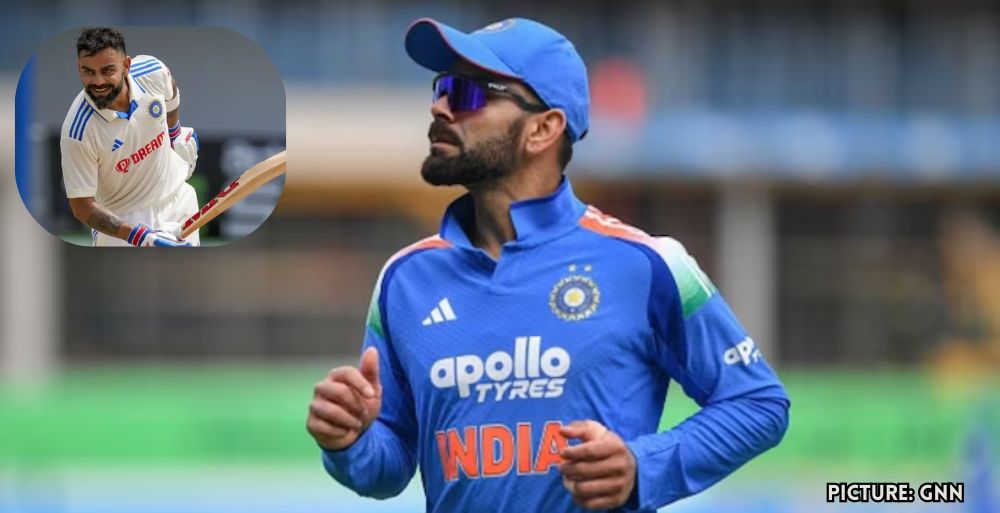
Virat Kohli emphasizes the importance of physical fitness in enhancing mental clarity and decision-making on the cricket field, supported by scientific research on the cognitive benefits of physical activity.
In a recent interview, renowned Indian cricketer Virat Kohli elaborated on the significant relationship between physical fitness and cognitive performance in sports, particularly during key moments on the cricket field. Following a high-impact innings in a One Day International (ODI), Kohli stated, “But I think to follow a free mind, you need a fit body. So for me, it works the other way around. I stay physically fit, and then I’m able to visualize the game in the way that I want to play.” His remarks prompt a deeper inquiry into how physical fitness can enhance cognitive capabilities, decision-making processes, and the ability to handle pressure in competitive sports.
Scientific Insights on the Effects of Physical Activity
Dr. Shifalika Goenka, Deputy Director at the Centre for Chronic Disease Control, provides a scientific perspective on the relationship between physical activity and cognitive function. She notes that there exists a substantial body of research demonstrating the benefits of sustained physical activity across various life stages. Dr. Goenka remarked, “Physical activity of different types has huge benefits,” indicating that these advantages extend beyond traditional forms of exercise, such as running or cycling, to include activities that engage both the body and mind, like playing sports.
Numerous studies have consistently shown that regular engagement in physical activities promotes cognitive development, benefiting individuals from childhood through adolescence and into older adulthood. Kohli’s experiences on the cricket field serve as a compelling example of this principle, where the demands of the sport necessitate a seamless integration of physical capability and mental acuity.
The Cognitive Demands of Sports
In the realm of sports, athletes like Kohli are required to constantly analyze a multitude of variables, including the type of ball, its speed, and its trajectory, before executing their shots. This dynamic interplay between physical action and mental processing underscores the critical role of fitness in athletic performance. Regular physical activity has been linked to improvements in memory, mental health, and the ability to manage stress effectively, fostering an environment conducive to peak performance.
One cognitive function particularly relevant to athletes is termed “executive decision-making,” which involves the capacity to make informed decisions quickly and under pressure. The fast-paced nature of cricket requires players to process information almost instantaneously, with limited time for deliberation. Thus, physical fitness may bolster both cognitive and physical responses in high-stakes environments, where split-second decisions can determine the outcome of a game.
Stress Management Through Physical Activity
The relationship between physical fitness and stress management constitutes another crucial aspect of this discussion. Dr. Goenka explains that individuals who engage in regular physical activity often exhibit a different physiological response to stress compared to their sedentary counterparts. Specifically, active individuals may release lower levels of stress hormones during stressful situations, and their heart rates might not escalate as dramatically.
This physiological advantage can prove especially beneficial for athletes who frequently encounter high-pressure scenarios. The ability to remain calm and process information effectively under duress is essential for optimal performance. Kohli’s assertion that a fit body contributes to a free mind highlights the interconnected nature of physical and cognitive health, a relationship increasingly recognized in the field of sports science.
The Long-term Benefits of Sustained Physical Activity
The benefits of physical activity extend beyond immediate athletic performance; they also play a significant role in long-term cognitive health. Dr. Goenka points out that research indicates sustained physical activity can help prevent and mitigate age-related cognitive decline. These findings reinforce the notion that maintaining an active lifestyle is beneficial not only for athletes but for individuals across all age groups.
For older adults, engaging in regular physical exercise is associated with enhanced cognitive function and can even help stave off conditions like dementia and Alzheimer’s disease. As such, the relationship between movement and cognitive health transcends the realm of sports, illustrating how integral physical fitness is to overall well-being.
Implications for Athletes and the General Population
Kohli’s insights into the importance of physical fitness reveal a broader principle applicable to various domains. The interplay between physical preparation and mental performance is not merely a theoretical concept but a practical reality in sports. From reading an incoming ball to executing a split-second decision under pressure, the synergy between body and brain is fundamental to success in cricket and other athletic endeavors.
Moreover, these insights extend beyond the sports arena. As society grapples with increasing rates of sedentary lifestyles and mental health issues, the imperative to promote physical activity gains greater urgency. Emphasizing the cognitive benefits of exercise could motivate more individuals to engage in regular physical activity, thereby enhancing their overall quality of life.
Conclusion: The Mind-Body Connection in Sports
Ultimately, Kohli’s experience on the cricket field serves to underline a wider principle: physical preparation and mental performance are not separate entities but are deeply interconnected. The mind-body connection is critical for athletes striving for success, and for individuals seeking to improve their mental resilience and cognitive function. As research continues to affirm the cognitive benefits of physical activity, it becomes increasingly clear that fostering a fit body is essential for achieving peak mental performance, both in sports and in everyday life.




No Comment! Be the first one.