




Japan Surpasses 100,000 Centenarians for the First Time, Highlighting Aging Demographic Trends

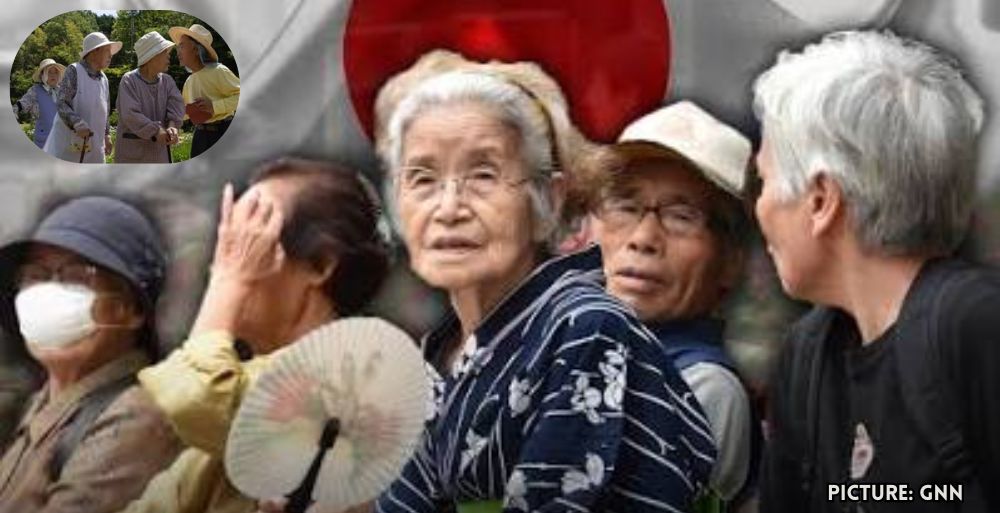
Japan’s centenarian population has reached a historic milestone, surpassing 100,000 individuals, with women constituting nearly 88% of this demographic, according to the Ministry of Health, Labour and Welfare.
Tokyo, Japan – In a noteworthy development announced on September 15, 2023, the Ministry of Health, Labour and Welfare (MHLW) disclosed that the number of people aged 100 years or older in Japan has exceeded 100,000 for the first time in history, totaling 107,677 centenarians. Health Minister Kenichiro Ueno presented these findings during a press conference, emphasizing the significance of this milestone amid the nation’s ongoing demographic shifts.
Among the centenarians, the overwhelming majority are women, with 94,298 female centenarians accounting for 87.6% of the total population in this age bracket. In contrast, men comprise 13,379 centenarians, which is 12.4% of the total. This remarkable demographic trend has been observed consistently, with the total number of centenarians in Japan increasing for 56 consecutive years, reflecting broader changes in life expectancy and health in the country.
Factors Influencing Longevity
During the press conference, Minister Ueno attributed the unprecedented growth in the elderly population to various factors, including improvements in living conditions, dietary habits, nutrition, and advancements in medical technology. He expressed optimism about the growing number of active and healthy elderly individuals, stating, “We are very pleased that so many people are able to remain active and healthy for so long.” This perspective aligns with Japan’s long-standing commitment to public health initiatives and elderly care.
In the context of the nation’s aging demographic, the Gerontology Research Group (GRG) acknowledged 114-year-old Fuyo Kishimoto as the oldest living person in Japan, following the passing of 115-year-old Shigeko Kagawa on August 27. Kagawa, who had previously shared her insights on longevity, attributed her long life to the importance of physical activity and mental engagement. She famously stated, “I think walking a lot since I was a child is the source of my energy today.” Throughout her life, she exemplified these principles, routinely walking significant distances to visit patients during her career as an obstetrician and gynecologist.
Honoring the Elderly
The announcement of the record number of centenarians coincided with Japan’s annual Respect for the Aged Day, a national holiday dedicated to honoring older citizens and acknowledging their contributions to society. Minister Ueno took the opportunity to congratulate those who have reached the age of 100, expressing gratitude for their roles in the development of the nation: “We would like to congratulate those who have reached the age of 100 on their longevity and express our gratitude for their contributions to the development of society over many years.” This tradition underscores the cultural significance placed on the elderly in Japanese society.
Broader Implications of an Aging Society
The increase in Japan’s centenarian population underscores significant demographic changes that carry profound implications for the nation’s social structure and public policy. As the population ages, there is a growing demand for healthcare services, elder care, and social support systems designed to meet the unique needs of older adults. The government has been proactive in exploring a variety of initiatives aimed at improving the quality of life for seniors, including promoting active aging and ensuring accessibility to healthcare services.
Japan’s centenarian milestone not only reflects the success of public health measures and social policies but also presents ongoing challenges. Policymakers are tasked with balancing the needs of an aging population with those of younger generations. As this trend continues, it will be essential for the government to prioritize sustainable solutions that support both current and future elderly citizens while fostering intergenerational solidarity within Japanese society.
In recent years, discussions around the implications of an aging society have gained momentum in Japan. Experts warn that an increasing elderly population could strain the nation’s pension systems and healthcare infrastructure. As the workforce shrinks and the number of retirees grows, maintaining economic stability and social welfare programs will become increasingly complex. The government has initiated various reforms aimed at addressing these challenges, including encouraging higher birth rates through family-friendly policies and immigration reforms to supplement the labor force.
Conclusion
The surpassing of 100,000 centenarians in Japan is a remarkable achievement that highlights the country’s advancements in health and longevity. However, it also serves as a clarion call for comprehensive strategies to address the challenges posed by an aging population. As Japan continues to navigate these demographic shifts, the balance between honoring the contributions of its elder citizens and ensuring the vitality of future generations will remain a crucial aspect of public policy and societal cohesion.





No Comment! Be the first one.