



With over 60% of the United States facing drought, experts share vital strategies for nurturing gardens and ensuring plant survival during dry spells.
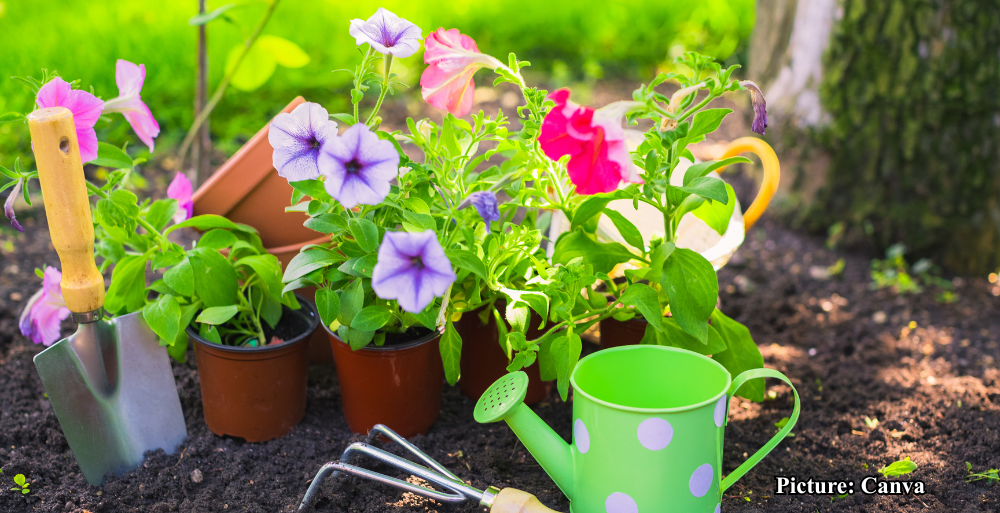
As the seasons transition from spring to summer, an increasing number of Americans are engaging in gardening activities. However, with more than 60 percent of the United States currently experiencing drought conditions, the challenge of maintaining a healthy and vibrant garden has intensified. Ed Olsen, a consumer horticulture specialist and director of the Virginia Cooperative Extension Master Gardener Program, has provided essential strategies for gardening in dry conditions, as well as common pitfalls to avoid.
Challenges of Planting During Drought
While it may not be the most favorable time to plant, Olsen emphasizes that gardeners can successfully introduce new plants during periods of drought with careful planning and preparation. One of the first steps is to check local water restrictions, which may limit irrigation options and affect planting decisions. Additionally, selecting the appropriate plants is critical; some species can thrive during dry spells, while others are naturally drought-tolerant.
“Regardless of the species, the first year is critical for survival,” Olsen noted. “Even drought-tolerant plants require regular watering until they are fully established.” This insight underscores the importance of understanding the varying needs of different plants, particularly during their initial growth stages.
Key Techniques for Gardening Success
Olsen advocates for the principle of “right plant, right place,” advising gardeners to consider the specific sunlight and moisture needs of plants. For example, placing a shade-loving plant in full sun can exacerbate stress on the plant during periods of limited water availability. Proper mulching is also essential for plant health and moisture retention. “Mulch reduces sunlight reaching the soil surface, moderates soil temperature, and helps retain soil moisture,” he stated. He recommends applying 3 to 4 inches of mulch while ensuring it is not in direct contact with the plant trunk or stem to prevent rot.
Efficient Watering Practices for Drought Conditions
During the growing season, most plants require approximately one inch of water per week. When natural rainfall is insufficient, supplemental irrigation becomes necessary. Olsen points out a common mistake many gardeners make during drought: watering too frequently and too lightly.
To maximize the efficiency of watering, he suggests several best practices:
- Water early in the day: Irrigating in the morning when temperatures are cooler minimizes evaporation losses, allowing more water to reach the roots.
- Target the roots: Applying water directly at the base of the plant ensures it reaches the root zone where it is needed most.
- Avoid using sprinklers: Sprinklers can lose 20 to 30 percent of water due to wind drift and evaporation, especially during the heat of the day.
- Water deeply: Ensure that moisture penetrates the entire root ball rather than merely saturating the surface soil.
Water Conservation Strategies
To further conserve water during drought conditions, Olsen recommends several practical strategies:
- Group container plants: Placing container plants closer together reduces air movement and moisture loss, which can be particularly beneficial in hot weather.
- Collect rainwater: Utilizing rain barrels or buckets to capture rain during storms can help lessen reliance on municipal water supplies.
- Utilize anti-transpirants: These products can assist plants in locking in moisture, especially during transplants or extreme summer heat, a technique frequently employed in professional nurseries and landscaping.
“Following recommended practices can help gardens better tolerate dry conditions,” Olsen emphasized. “However, during prolonged drought, some plant stress may still occur despite best efforts.” This acknowledgment of potential setbacks is critical for gardeners to manage their expectations during challenging weather conditions.
Olsen’s Background and Expertise
Ed Olsen has been a prominent figure in horticulture since 2016, serving as the consumer horticulture specialist and director of the Virginia Cooperative Extension Master Gardener program. Prior to his current role, he worked as the Henrico County Agriculture and Natural Resources agent until January 2024. Olsen is currently affiliated with Virginia Tech’s School of Plant and Environmental Sciences, where he continues to contribute to the field of horticulture through outreach and education.
Opportunities for Engagement
For those interested in learning more about gardening techniques during drought or wishing to schedule an interview with Ed Olsen, the Virginia Tech Media Relations Office can be contacted at [email protected]. By employing these strategies and understanding the nuances of gardening in drought conditions, individuals can foster resilient gardens that withstand the challenges posed by increasingly dry climates.



No Comment! Be the first one.