





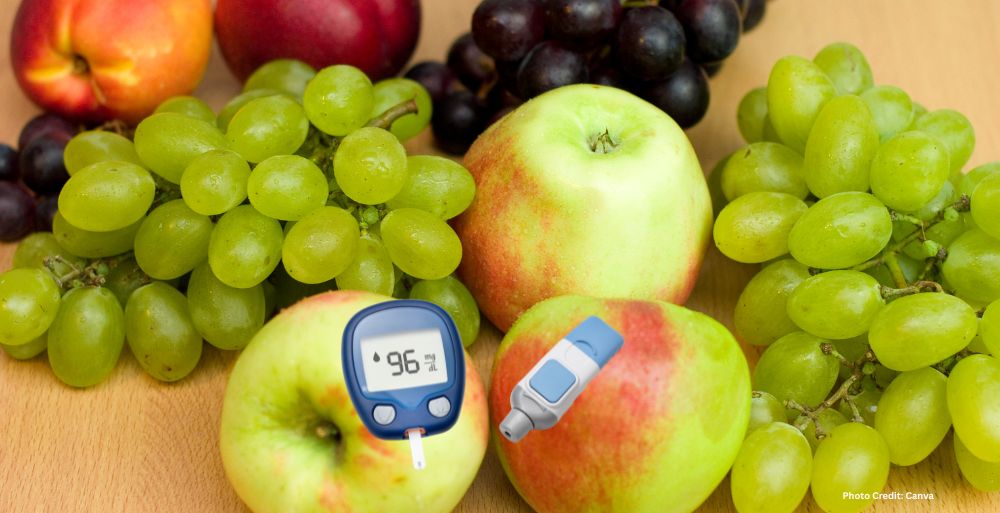
Both grapes and apples offer benefits for blood sugar management, but experts suggest that apples may have a slight edge due to their higher fiber content.
As consumers increasingly focus on dietary choices that support blood sugar management, the question of which fruits are more beneficial has gained attention. Grapes and apples are among the most popular fruits, each with unique properties that can impact blood sugar levels. This article explores the nutritional profiles of both fruits and their implications for individuals managing blood sugar.
Understanding the Nutritional Content
Grapes and apples both provide essential nutrients but differ significantly in their fiber content and carbohydrate composition. A standard serving size of grapes is approximately one cup, which contains around 27 grams of total carbohydrates, including 23 grams of natural sugars and only 1 to 1.5 grams of dietary fiber. In contrast, a medium apple with the skin on contains about 25 grams of total carbohydrates, with 19 grams of natural sugar and a much higher fiber content of 4 to 5 grams.
According to registered dietitian Samantha DeVito, the small size of grapes can lead to unintentional overeating. “Grapes are still nutrient-dense, but because they’re smaller and easy to snack on quickly, portions can add up fast without people realizing it,” she explains. This characteristic makes portion awareness crucial for individuals monitoring their blood sugar levels.
Health Benefits Linked to Grapes
Despite their higher sugar content, grapes are not inherently harmful to blood sugar management. They contain polyphenols such as anthocyanins and resveratrol, which have been studied for their potential benefits in cardiometabolic health. Research indicates that the consumption of grapes may improve insulin sensitivity, as evidenced by changes in HOMA-IR, a marker for insulin resistance.
DeVito advises integrating grapes into meals or snacks that include protein and healthy fats, such as pairing them with Greek yogurt or nuts. This approach can help slow digestion and promote a more gradual release of sugar into the bloodstream, thus better managing blood sugar levels.
Apples and Their Role in Blood Sugar Control
Apples, especially when consumed with the skin, offer a range of advantages for blood sugar management. The soluble fiber known as pectin, found in apples, helps delay gastric emptying and modulates blood glucose response. This mechanism is significant, as a slower digestion process can result in a more gradual increase in blood sugar levels post-consumption.
Serena Pratt, another registered dietitian, emphasizes the importance of eating apples with their skin on to maximize benefits. “The skin contains a significant portion of the apple’s fiber and polyphenols, which contribute to its overall health profile,” Pratt states. Higher fiber diets have been linked to improved markers of diabetes management, including reductions in HbA1c and fasting glucose levels.
Comparative Analysis: Grapes vs. Apples
When comparing the two fruits, apples appear to have a slight advantage due to their higher fiber content, which can facilitate a more gradual release of glucose into the bloodstream. This characteristic leads to a more stable blood sugar response compared to grapes, which have lower fiber content.
However, both fruits can fit into a balanced eating pattern. DeVito cautions against labeling one fruit as “good” and the other as “bad.” Instead, she advocates for a flexible approach to fruit consumption, noting that increasing fruit intake has been associated with lower fasting blood glucose levels in individuals with diabetes.
Practical Tips for Blood Sugar Management
For those looking to optimize their fruit choices in relation to blood sugar, several strategies may be beneficial:
- Pair Fruit with Protein or Fat: Combining fruit with protein or healthy fats can enhance satiety and regulate blood sugar levels. For example, apple slices with peanut butter or grapes with cheese can provide more balanced snacks.
- Serve Grapes in a Visible Portion: Using a bowl to serve grapes can help manage portion sizes, making it easier to monitor intake.
- Keep the Skin on Apples: Retaining the skin of apples ensures maximum fiber and polyphenol intake, both of which are beneficial for blood sugar control.
- Opt for Whole Fruit Over Juice: Whole fruits retain their fiber and structure, while fruit juices often lack fiber and are more concentrated in sugar.
- Match Fruit to Activity Level: Grapes may be advantageous before a workout due to their quick-digesting carbohydrate content, while apples may be preferable for a more filling snack.
Conclusion
In summary, while apples may provide a slight advantage over grapes in terms of blood sugar management due to their higher fiber content, both fruits can play a role in a healthy diet. Individuals are encouraged to consider their dietary preferences and balance their fruit intake with other food groups to support overall health and blood sugar control.






No Comment! Be the first one.