





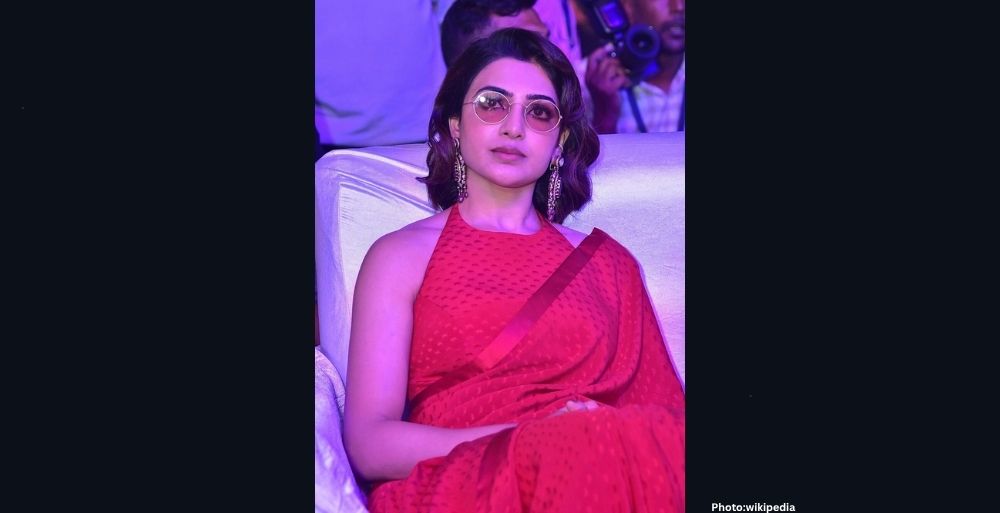
Samantha Ruth Prabhu’s recent comments on scalp health have reignited discussions about the dangers of tight hairstyles, prompting experts to emphasize the need for mindful hair care practices.
Samantha Ruth Prabhu, a prominent Indian actress known for her role in the acclaimed series ‘The Family Man 2’, recently brought attention to an often-overlooked aspect of hair care: the risks associated with tight hairstyles. During an interview with Tweak India, the 38-year-old actress revealed her personal approach to maintaining hair health, stating, “I recently realised that a very tight scalp is a sign that you are not looking after your hair. So, the moment I feel like my scalp is getting tight, I know it’s time for an oil massage and some conditioning.” This insight has triggered important conversations about the potential consequences of hairstyling choices.
Understanding the Risks of Tight Hairstyles
Prabhu’s remarks have prompted medical professionals to weigh in on the implications of tight hairstyles, which can lead to various scalp and hair health issues. Dr. Ajay Dodeja, a junior consultant in dermatology at KIMS Hospitals in Thane, elaborated on the physiological effects of excessive tension on the hair and scalp. He noted that styles such as tight ponytails or braids can contribute to hair breakage and increased stress on hair follicles. “Often, tying hair too tightly, especially when it’s wet or fragile, can increase the risk of hair breakage and stress on the follicles. If this continues for a long time, traction alopecia can move from being reversible to causing permanent hair loss due to damage and scarring of the follicles,” he explained. Traction alopecia is a condition characterized by hair loss that results from prolonged tension on the hair shafts, underscoring the critical need for awareness regarding hairstyling practices.
Physical Symptoms of Scalp Stress
Dr. Aniket Mule, a consultant in internal medicine at KIMS Hospitals, offered additional insights into how tight hairstyles can affect overall scalp health. He highlighted that styles such as high ponytails, buns, or braids not only pose aesthetic concerns but can also result in significant discomfort. “This isn’t just about looks; this kind of stress can also make the scalp sensitive and uncomfortable,” Dr. Mule remarked. Individuals may experience mild symptoms such as scalp soreness, headaches, or the appearance of small bumps around hair follicles as indicators of underlying issues. Dr. Mule emphasized the importance of recognizing these early warning signs, stating, “If the habit continues, it can weaken the hair roots and lead to gradual, sometimes permanent hair loss in affected areas. The sooner these signs are noticed, the better the chances of reversing the damage.” This highlights the need for individuals to remain vigilant about the impacts of their hairstyling choices.
Ponytail Headaches: A Notable Condition
Another specific consequence of maintaining tight hairstyles is the emergence of what is commonly referred to as a “ponytail headache.” Dr. Mule described this condition as resulting from prolonged tension on the scalp’s nerves and connective tissues. “The constant pull can cause discomfort or a dull ache, especially in people who are already prone to headaches or have sensitive scalps,” he said. This condition illustrates the intersection between beauty practices and physical health, indicating that the desire for fashionable hairstyles may inadvertently lead to negative health outcomes.
Recommendations for Healthier Hairstyling
In light of these concerns, experts recommend several strategies for individuals seeking to maintain healthy hair and scalp. Dr. Dodeja suggests adopting looser hairstyles as a simple yet effective adjustment. He advised, “Choosing looser hairstyles, avoiding excessive tension in the same areas, changing hair partings, and giving the scalp regular breaks from tight styles can help keep follicles healthy. Using soft hair ties and reducing prolonged tension are also helpful.” These recommendations indicate that minor adjustments in daily hair care routines can lead to significant improvements in scalp health.
Moreover, both Dr. Dodeja and Dr. Mule caution against the frequent use of sleek, tight hairstyles. Dr. Mule noted, “While sleek, tight looks may be attractive, wearing them too often can cause avoidable problems like hair thinning and discomfort. Choosing gentler styles and paying attention to early warning signs like pain or tightness can greatly help maintain both hair health and comfort.” This underscores the importance of balancing aesthetic choices with the need for scalp health.
The Role of Awareness in Hair Care
As more public figures, such as Prabhu, share their personal hair care experiences and insights, it becomes increasingly evident that awareness of scalp health is crucial. The dialogue surrounding these issues not only informs individuals about potential risks but also empowers them to adopt healthier practices. By understanding the risks associated with tight hairstyles and implementing the suggested recommendations, individuals can actively mitigate potential damage and promote long-term hair health.
In conclusion, Samantha Ruth Prabhu’s candid admission serves as a valuable reminder that prioritizing scalp well-being is essential in the pursuit of beautiful hair. As the conversation continues to evolve, it is vital for individuals to remain informed and proactive in their hair care routines, ensuring that beauty does not come at the expense of health.






No Comment! Be the first one.