





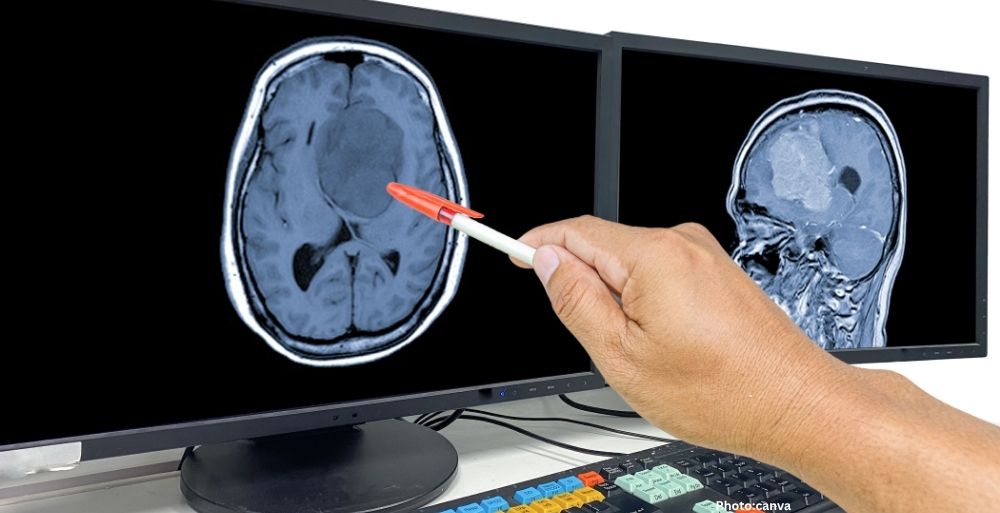
Recent research highlights promising early findings regarding an experimental treatment for glioblastoma, indicating potential for improved drug delivery and enhanced efficacy of existing therapies.
Researchers from Nitric Oxide Services, LLC, in collaboration with the Cleveland Clinic Foundation Taussig Cancer Center, have unveiled promising early results from a study focusing on an experimental treatment for glioblastoma, one of the most aggressive types of brain cancer. This research, published in the journal Oncoscience, centers on a modified form of vitamin B12 known as nitrosylcobalamin (NO-Cbl), which has the ability to release nitric oxide, a compound with potential anti-tumor properties.
Glioblastoma multiforme (GBM) is notorious for its poor prognosis, with most patients surviving less than 15 months post-diagnosis, even after undergoing a combination of surgical, radiation, and chemotherapy treatments. The challenge of effectively treating glioblastoma is exacerbated by the presence of the blood-brain barrier, a protective shield that prevents many therapeutic agents from penetrating brain tumors. The limited effectiveness of current treatment options has led researchers and healthcare professionals to seek new therapeutic strategies.
Study Objectives and Methodology
The primary objective of the research was to determine whether NO-Cbl could effectively cross the blood-brain barrier and accumulate within glioblastoma tumors. To achieve this, the research team conducted a series of laboratory studies involving various cancer cell lines, pharmacokinetic evaluations in rats bearing glioblastoma tumors, and experiments combining NO-Cbl with human glioblastoma cells. This comprehensive approach aimed to assess not only the drug’s ability to penetrate the blood-brain barrier but also its efficacy in suppressing tumor growth.
Key Findings on Anti-Tumor Activity
The researchers reported that NO-Cbl exhibited anti-tumor activity across several cancer types, with glioblastoma cells showing moderate sensitivity to treatment. Notably, animal experiments confirmed that NO-Cbl successfully traversed the blood-brain barrier and concentrated within glioblastoma tissues. This finding is particularly significant, as it addresses one of the major hurdles in glioblastoma treatment. The study indicated that nitrate levels remained elevated in tumor tissue for at least 24 hours after administration, while the levels declined more rapidly in normal tissues. This prolonged retention within tumor cells suggests that NO-Cbl has the potential to deliver nitric oxide directly to cancer cells more effectively than conventional treatments.
Enhancing Existing Treatments
The research team also investigated the potential of NO-Cbl to enhance the effectiveness of existing glioblastoma therapies. Laboratory studies involving U87 and D54 glioblastoma cell lines demonstrated that combining NO-Cbl with established treatments such as TRAIL (TNF-related apoptosis-inducing ligand) or temozolomide significantly suppressed tumor growth compared to either treatment used alone. Subsequent analyses confirmed that the combination of NO-Cbl and these therapies worked synergistically across a range of dosing levels. This synergistic effect could represent a critical advancement in the management of glioblastoma, which is often resistant to standard therapies.
Additionally, the authors referenced earlier studies suggesting that NO-Cbl may help overcome treatment resistance, a common challenge in glioblastoma management. The compound appears to promote cancer cell death, inhibit survival signals that facilitate tumor growth, and potentially enhance the activity of TRAIL receptors. Such mechanisms may render glioblastoma cells, including those resistant to temozolomide, more amenable to treatment, thus expanding the options available to patients.
Future Directions in Research
While the initial findings of this pilot translational study are encouraging, the authors emphasized the necessity for further research before NO-Cbl can be tested in human subjects. Future studies will focus on validating the results across additional brain tumor models, refining dosing strategies, and gaining insights into the compound’s mechanisms over extended treatment periods. The research team expressed cautious optimism that NO-Cbl could represent a groundbreaking approach for treating glioblastoma, improving drug delivery to brain tumors and enhancing the effectiveness of existing therapies.
Broader Implications for Glioblastoma Treatment
The implications of this research extend beyond the immediate findings. Glioblastoma treatment has historically been fraught with challenges, and the development of new therapeutic agents like NO-Cbl could significantly alter the landscape of treatment options available to patients. As researchers continue to explore and validate these findings, the hope is that new therapies will emerge that provide better outcomes for patients facing the daunting prognosis associated with glioblastoma.
In conclusion, the research surrounding NO-Cbl not only sheds light on a potentially transformative treatment for glioblastoma but also underscores the ongoing need for innovation in the field of oncology. As scientists and medical professionals work together to validate these promising results, the potential for improved patient outcomes in glioblastoma becomes increasingly feasible. Such advancements in cancer treatment could lead to longer survival rates and improved quality of life for those diagnosed with this challenging disease.






No Comment! Be the first one.