





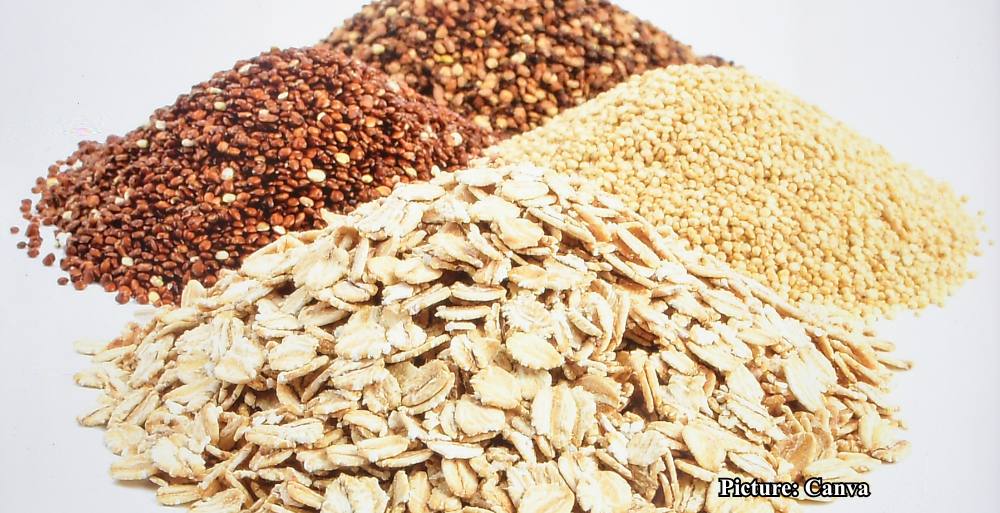
Oats are increasingly recognized for their significant role in promoting digestive health, especially in alleviating constipation, a common issue affecting many adults in the U.S.
Oats have emerged as a standout whole grain in the ongoing conversation about digestive health and constipation relief. According to recent data, approximately 16% of U.S. adults report experiencing symptoms of constipation, a condition defined by fewer than three bowel movements per week, hard or lumpy stools, or straining during bowel movements. Among various factors contributing to constipation, inadequate fiber intake is often cited as a primary cause, underscoring the importance of incorporating fiber-rich foods into the diet.
The Importance of Dietary Fiber
Dietary fiber is critical for maintaining digestive health. The Institute of Medicine recommends that adults consume between 25 to 38 grams of fiber daily to support proper bowel function. However, statistics reveal that less than 7% of U.S. adults meet these fiber intake recommendations. Erika Barrera, M.P.H., RDN, highlights the distinction between two types of fiber: soluble and insoluble. Insoluble fiber, found in foods like whole grains and vegetables, is coarse and promotes the secretion of water and mucus in the bowel, providing a laxative effect. In contrast, soluble fiber, such as beta-glucan found in oats, forms a gel-like substance that bulks and softens stools, facilitating easier passage through the digestive tract.
Notably, just one cup of uncooked oats provides approximately 8 grams of fiber, making it an advantageous addition for individuals seeking to increase their fiber intake. Starting the day with a fiber-rich breakfast, such as oatmeal, can be a simple yet effective strategy for enhancing bowel regularity and overall digestive health.
Oats and Gut Microbiome Health
Beyond their laxative properties, oats have been linked to improved gut microbiome health. The soluble fiber beta-glucan ferments in the gut, leading to increased bacterial diversity and reduced inflammation, which can enhance overall digestive wellness. Research indicates that individuals suffering from gastrointestinal issues, including irritable bowel syndrome (IBS) and celiac disease, often display lower levels of beneficial bacteria such as Bifidobacterium and Lactobacillus. Incorporating more oats into one’s diet may help bolster these beneficial bacteria, thus promoting a healthier gut microbiome.
Cost-Effectiveness and Versatility of Oats
Oats are not only beneficial for health but are also economical. They offer a range of options, from quick-cooking to steel-cut oats, all providing similar nutritional benefits. While flavored instant oats may appear convenient, they often contain added sugars that can detract from their health value. Beyond breakfast, oats can be integrated into various dishes, including baked goods, as a binding agent in savory recipes, and even in plant-based burgers, demonstrating their versatility in the kitchen.
Other Whole Grains Beneficial for Digestive Health
While oats are frequently highlighted for their effectiveness in alleviating constipation, other whole grains also contribute positively to digestive health. According to Amy Goldsmith, RDN, whole grains can soften stools and improve the transit time of food through the digestive tract. Other whole grains that can aid in alleviating constipation include:
- Barley: Similar to oats, barley is rich in beta-glucan, which can hydrate and soften stools, making them easier to pass.
- Brown Rice: Unlike white rice, brown rice retains its hull, bran, and germ, thus providing a higher fiber content.
- Quinoa: Although technically a pseudo-cereal, quinoa has a nutritional profile akin to other whole grains, offering more fiber and protein per serving than many traditional grains.
- 100% Whole Wheat Bread: Selecting whole-wheat bread with at least 2 to 3 grams of fiber per slice can be an easy and effective way to boost fiber intake.
Expert Recommendations for Fiber Intake
Health professionals recommend that individuals looking to improve their digestive health should consider starting their day with a fiber-rich meal. Brooke Baird, RDN, LD, emphasizes the importance of incorporating oats into breakfast and suggests enhancing oatmeal with toppings like berries and nuts to further increase its fiber content. This not only aids in relieving constipation but also contributes to a well-rounded and nutritious breakfast.
Implications for Public Health
The prevalence of constipation among U.S. adults highlights a significant public health concern. According to the National Institute of Diabetes and Digestive and Kidney Diseases (NIDDK), the economic burden of digestive disorders is substantial, affecting millions of individuals annually. The emphasis on dietary fiber, particularly through whole grains like oats, offers a practical approach to improving digestive health on a large scale. As dietary fiber gains recognition for its pivotal role in digestive health, oats stand out as a practical solution for alleviating constipation.
Furthermore, education and awareness campaigns that promote the consumption of fiber-rich foods could play a crucial role in addressing this public health issue. By increasing public knowledge about the benefits of dietary fiber and how to incorporate it into daily meals, health professionals can empower individuals to take proactive steps toward improving their digestive health.
In conclusion, oats are a cost-effective, versatile, and nutrient-rich solution for alleviating constipation and promoting overall digestive health. As more people address digestive issues, emphasizing dietary fiber through whole grains like oats can lead to improved health outcomes and enhanced quality of life.






No Comment! Be the first one.