





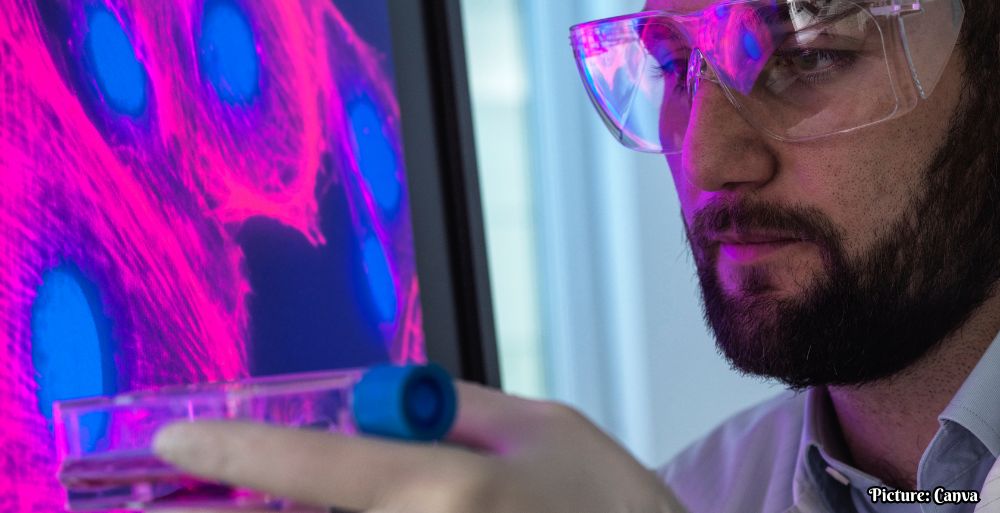
This groundbreaking research by the National Institutes of Health introduces a comprehensive atlas of senescent cells, aiming to enhance our understanding of their role in aging and pave the way for potential therapies for age-related diseases.
A consortium of researchers funded by the National Institutes of Health (NIH) has unveiled a pioneering framework aimed at identifying and characterizing senescent cells—cells that cease to divide but remain metabolically active. This initiative, which culminated in a series of papers published in the June 11, 2026, issue of the journal Cell, marks a significant advancement in the understanding of cellular senescence and its implications for age-related health conditions.
Understanding Cellular Senescence
Cellular senescence is a biological process in which cells enter a state of permanent growth arrest, often triggered by stressors such as DNA damage, oxidative stress, and other environmental factors. As individuals age, these senescent cells accumulate and can disrupt normal tissue function, contributing to chronic diseases, including diabetes, cardiovascular diseases, and various forms of cancer. While senescent cells can play beneficial roles in healthy tissues—supporting wound healing and preventing tumor growth—their accumulation leads to the secretion of inflammatory signals that are detrimental to overall health, particularly as immune system efficiency declines with age.
The Senescence Network Initiative
To address the challenges posed by the study of senescent cells, the NIH launched the Cellular Senescence Network (SenNet) program in 2021. The initiative aims to create a comprehensive atlas mapping senescent cells throughout the human body, thereby providing essential insights into their various characteristics and roles across different tissues. This effort is particularly critical given the increasing global interest in aging research and the rising prevalence of age-related diseases.
“By mapping where different senotypes are found and what makes them unique, we aim to build a more complete picture of senescent cells across the body,” stated Dr. Nicole Kleinstreuer, NIH Deputy Director for Program Coordination, Planning, and Strategic Initiatives, who leads the NIH Common Fund. This new classification system, referred to as “senotypes,” categorizes senescent cells based on their anatomical location and the conditions surrounding them, acknowledging the diversity of these cells across different tissues and health states.
Major Findings from the Research
The recent publications from the SenNet consortium highlight several significant advancements in understanding cellular senescence:
- Mapping Senescence Across the Body: The SenNet atlas reveals the presence of senescent cells in various tissues, including the brain, lungs, and lymph nodes. This mapping effort is crucial for understanding how cellular senescence impacts different organs and systems, which can inform targeted therapeutic strategies.
- Discovery of New Biomarkers: Researchers have developed innovative computational tools that identify unique biological features of senescent cells. These tools have facilitated the discovery of blood markers capable of predicting conditions such as kidney disease, frailty, and the risk of diabetes in aging individuals. Such biomarkers could revolutionize early diagnosis and intervention in age-related diseases.
- Innovative Technologies: The research showcases advanced methodologies, including single-cell analysis, spatial omics, and artificial intelligence (AI)-based techniques designed to overcome the challenges in identifying and studying rare senescent cells within complex human tissues. This technological advancement allows for a more nuanced understanding of cellular behavior and interactions.
Future Implications and Applications
The insights gained from this research are poised to have substantial implications for the future of age-related disease research and therapeutic development. One promising avenue is the exploration of “senolytics,” a class of experimental drugs aimed at selectively eliminating senescent cells from the body. Early studies suggest that these therapies may mitigate age-related decline and improve overall health outcomes, potentially transforming the landscape of geriatric medicine.
Since its inception, SenNet has expanded into a collaborative effort involving various NIH Institutes and Centers, led by the National Institute on Aging (NIA) and the National Cancer Institute (NCI). By pooling expertise across different fields and institutions, the initiative aims to generate publicly accessible resources that detail the locations, variations, and health impacts of senescent cells. This collaborative approach not only enhances scientific knowledge but also promotes transparency and accessibility in research findings.
Conclusion
The establishment of a detailed atlas of cellular senescence represents a vital step forward in the ongoing quest to understand the biology of aging. As researchers continue to unravel the complexities of senescence, the potential for developing targeted therapies that can improve health outcomes for aging populations becomes increasingly tangible. This research not only enhances our scientific understanding but also holds promise for translating findings into clinical applications that could significantly impact public health.
The NIH’s commitment to fostering collaborative research and innovation is further exemplified through this initiative, emphasizing the importance of interdisciplinary approaches in tackling complex biological questions. With the aging population projected to grow significantly in the coming decades, understanding the role of senescence in health and disease will be crucial for developing effective interventions and improving quality of life for older adults.
For more information about the NIH and its programs, please visit www.nih.gov.






No Comment! Be the first one.