





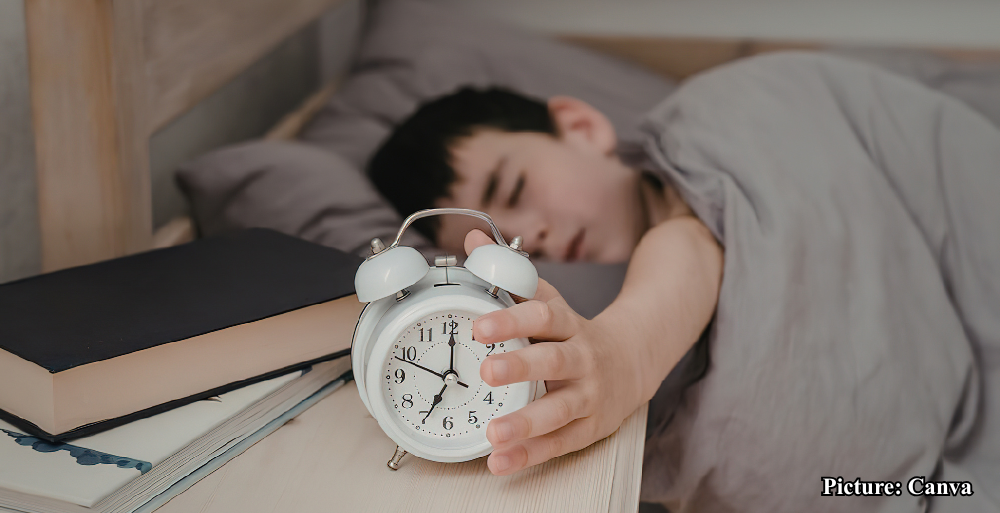
A recent study from the University of Minnesota highlights a significant decline in sleep among U.S. teenagers, revealing that only 22% of older adolescents are getting sufficient rest, raising concerns about their overall health and well-being.
The University of Minnesota School of Public Health has released a groundbreaking study indicating that U.S. teenagers are experiencing unprecedented levels of sleep deprivation. The findings, published in the journal Pediatrics, show a consistent decline in sleep across all age categories, with alarming statistics revealing that only 22% of older adolescents report sleeping at least seven hours each night.
Rachel Widome, the lead author of the study and a professor at the University of Minnesota School of Public Health, emphasized that while some barriers to sleep faced by teenagers have persisted across generations—such as increased homework, extracurricular demands, and social pressures—new challenges have intensified in recent years. Among these are the ubiquitous presence of screens and social media, as well as broader societal stressors, including the COVID-19 pandemic and ongoing social unrest.
Historical Context and Data Analysis
To arrive at these findings, researchers conducted an analysis of data from the Monitoring the Future survey, a long-term national study that has tracked the behaviors of over 400,000 U.S. students in grades eight, 10, and 12 since 1991. Participants were asked two primary questions regarding their sleep habits: how often they slept at least seven hours per night and how often they felt rested. The study revealed that sleep duration has steadily declined as teenagers age, with older adolescents experiencing a more pronounced drop in both sleep hours and overall feelings of restfulness.
The implications of insufficient sleep extend beyond mere fatigue; they are linked to serious long-term issues such as mental health problems, academic struggles, and chronic health conditions that can persist into adulthood. Insufficient sleep can lead to reduced cognitive function, diminished academic performance, and increased risk of anxiety and depression among teenagers.
Disparities in Sleep Outcomes
The study also highlights growing disparities in sleep outcomes among different demographic groups. Notably, Black and Latino teenagers, along with those whose parents have lower levels of education, are increasingly less likely to achieve adequate sleep compared to their peers. This widening gap reflects broader societal inequalities that impact adolescent health and well-being.
Furthermore, as adolescents transition from early to late teenage years, the data indicates a significant decline in both the quantity and quality of sleep. This trend raises concerns about the long-term implications for a generation of young people who are increasingly sleep-deprived.
Link Between Sleep and Mental Health
While the rise in screen time has often been cited as a primary contributor to sleep deprivation, researchers suggest that the root causes may be more complex. Feelings of social isolation and burnout are increasingly prevalent among teenagers. A related study conducted by Aim Ideas Lab found that approximately two-thirds of California teens reported experiencing burnout and anxiety. Furthermore, about a quarter of students indicated they only had enough time to meet basic needs—such as sleep, eating, and hygiene—two days a week or less.
Jolie Delja, the executive director of Aim Youth Mental Health, noted that students have directly linked their feelings of stress to relentless academic pressure. “They asked for time to slow down and the chance to learn and practice coping skills like breathing and mindfulness during calm moments, not just crisis ones,” Delja said. This feedback underscores the need for educational institutions and communities to create supportive environments that prioritize mental health and well-being.
Potential Solutions and Structural Changes
Addressing the complex issue of adolescent sleep deprivation requires a multifaceted approach. Researchers acknowledge that there is no single nationwide solution, but they advocate for structural changes that could benefit large numbers of adolescents. One significant recommendation is to delay high school start times to 8:30 a.m. or later, as earlier start times conflict with adolescents’ natural circadian rhythms, which can exacerbate sleep deprivation.
Widome stated, “A nation of sleep-deprived adolescents is not inevitable. We should embrace a culture of sleep, where sleep is actually valued and where we commit to enacting policies and other interventions that promote healthy sleep for everyone.” This call to action emphasizes the importance of recognizing sleep as a critical component of adolescent health and well-being.
Conclusion and Implications for Future Actions
The findings of this study serve as a critical reminder of the importance of sleep for adolescents, highlighting the urgent need for community-wide efforts to address the factors contributing to sleep deprivation among teenagers. As the challenges faced by today’s youth continue to evolve, the strategies employed to support their health and well-being must also adapt. Policymakers, educators, and communities must work collaboratively to create environments that prioritize sleep, mental health, and overall well-being for adolescents, paving the way for healthier futures.






No Comment! Be the first one.