





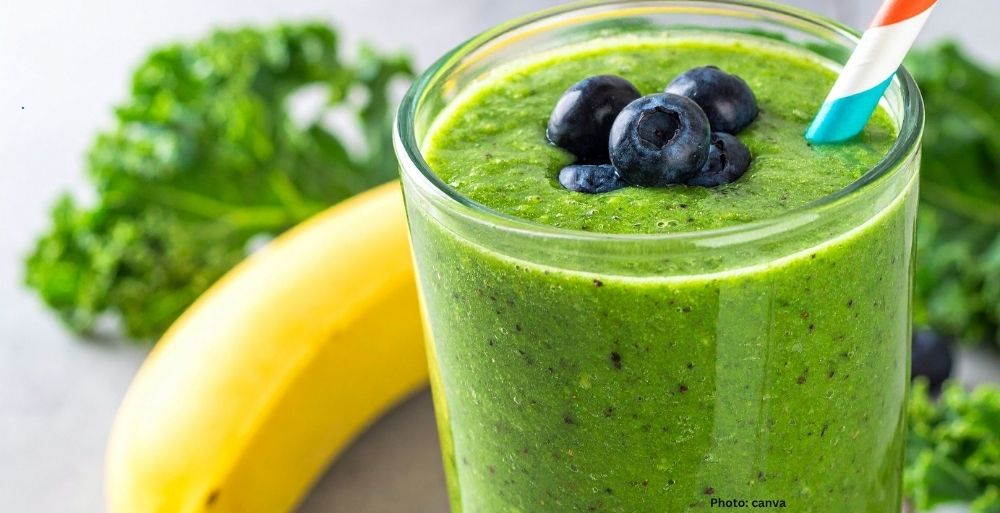
Nutrition experts highlight the benefits of a high-fiber Kale & Banana Smoothie, emphasizing its potential to enhance cognitive health through essential nutrients.
The Kale & Banana Smoothie has emerged as a recommended high-fiber snack that aims to support cognitive health. Nutritionists advocate for its rich content of fiber, omega-3 fatty acids, vitamin D, and antioxidants, all of which are crucial for maintaining overall brain function.
As individuals age, they often become increasingly conscious of their cognitive health, frequently noting a decline in mental sharpness. While engaging in activities such as puzzles and memory games can be beneficial, dietary choices play a significant role in cognitive performance. During afternoon slumps, opting for a nutritious snack like the Kale & Banana Smoothie may serve as a proactive strategy for enhancing brain health.
“Focusing on brain health can significantly boost your quality of life, as your brain controls everything from your mood and cognitive function to your body’s ability to self-regulate and maintain homeostasis,” stated Josten Fish, a registered dietitian. “Good brain health is essential to overall mental, physical, and emotional health and longevity.”
Fiber and Gut-Brain Connection
One critical component of the Kale & Banana Smoothie is its fiber content, which is recognized for its digestive benefits. However, emerging research suggests that dietary fiber may also enhance cognitive functions such as processing speed, sustained attention, and working memory. A serving of the smoothie, approximately 2 cups, boasts about 4 grams of fiber, fulfilling 16% of the daily recommended intake.
“By supporting brain health through nutrition and lifestyle choices, we can lead a fuller life and maintain cognitive functions into old age. It’s not just about longevity, but about enhancing the quality of life at every age,” remarked Kathleen Benson, another registered dietitian.
Importance of Vitamin D
The smoothie can be prepared using either cow’s milk or fortified nondairy alternatives, both of which are good sources of vitamin D. For instance, one cup of reduced-fat cow’s milk contains approximately 3 micrograms of vitamin D, accounting for 15% of the recommended daily value. Nondairy options, such as oat milk, typically contain similar levels of vitamin D, further contributing to cognitive health.
Fish emphasized the importance of vitamin D, stating, “Vitamin D is a hormone that plays a role in brain development by enhancing mechanisms such as neurotransmitter synthesis and neurotrophin production.” Research indicates that adequate levels of vitamin D can improve the integrity of the blood-brain barrier, thereby contributing to overall brain function.
Omega-3 Fatty Acids
Omega-3 fatty acids, another essential component of the smoothie, are known for their positive impact on cognitive function across all life stages. The smoothie derives its omega-3 content primarily from kale. Studies have shown that individuals with higher omega-3 levels tend to have larger hippocampal volumes, a brain region closely associated with learning and memory.
“The foods we eat play a role in how our brain functions; it’s about eating those foods that are rich in nutrients. This helps prevent brain fog and keeps our focus sharp,” noted Benson.
Antioxidants and Inflammation
In addition to fiber and omega-3s, the smoothie is rich in antioxidants and flavonoids found in its ingredients, such as kale, bananas, and honey. These compounds are believed to reduce inflammation and combat oxidative stress, which are linked to improved cognitive health. Research has shown that bananas contain more antioxidants than many other fruits, contributing to their health benefits.
“Eating foods that are high in nutrients, including antioxidants, minerals, and polyphenols, can improve cognitive functions through a variety of processes,” Fish added. “For instance, a nutrient-dense diet can actually increase the production of neurons as well as improve the connections between neurons.”
Other Brain-Healthy Foods
While the Kale & Banana Smoothie is packed with beneficial nutrients, several other foods can also support cognitive health. Fatty fish such as salmon and mackerel are excellent sources of omega-3 fatty acids. Additionally, mushrooms, especially those grown under UV light, can provide an extra boost of vitamin D and antioxidants.
Eggs are another nutrient-rich option, containing choline, B vitamins, and other brain-supporting nutrients that may help lower the risk of cognitive decline. These foods can complement a diet aimed at enhancing cognitive function.
Conclusion
Incorporating a variety of brain-supporting foods, such as the Kale & Banana Smoothie, can serve as a valuable addition to a healthy diet. With only five wholesome ingredients, this smoothie is quick to prepare and enjoyable to consume. It is important to remember, however, that while these foods contribute positively to cognitive health, they should be part of a broader, comprehensive approach to overall wellness.






No Comment! Be the first one.