




Japan Halts Indian Mango Imports Over Quarantine Concerns, Sparking Monopoly Claims from Exporters

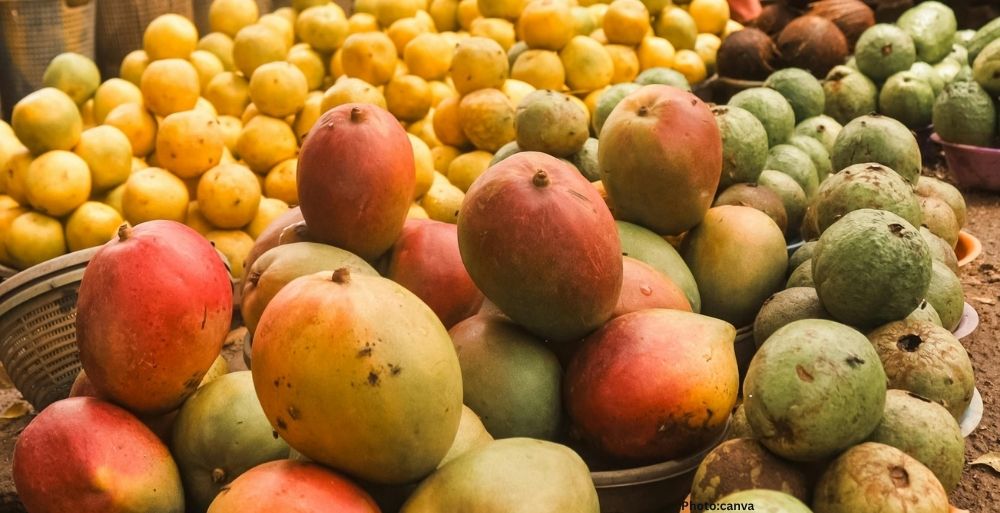
The Japanese government has implemented an immediate suspension on all fresh mango imports from India for the 2026 export season, halting a trade pipeline that has remained uninterrupted for two decades. The restriction follows an early spring inspection by Japanese plant quarantine officers who cited multiple operational deficiencies in the Vapour Heat Treatment and fumigation protocols at Indian sanitization facilities. While Japan constitutes a relatively minor share of India’s overall $1.54 million global mango trade, the unexpected embargo has provoked fierce backlash from regional agricultural exporters. Domestic trading houses claim Tokyo is using hyper-technical phytosanitary compliance rules to assert a systemic monopoly over treatment infrastructure, complicating diplomatic trade relations as Indian farmers simultaneously contend with a weak domestic market and soaring international airfreight logistics costs.
NEW DELHI — In a major disruption to the agricultural trade route between South Asia and East Asia, Japan has suspended all fresh mango imports from India for the current 2026 harvest season. The sudden enforcement action comes exactly twenty years after Tokyo originally dismantled a historical, two-decade embargo on the fruit. The operational freeze was officially triggered after an authorized technical delegation of Japanese plant quarantine inspectors flagged structural deficiencies in the chemical-free disinfection, fumigation, and pest control management systems operating across central Indian treatment facilities during an unannounced evaluation circuit in late March.
According to official administrative notifications distributed to regional trade authorities, the Yokohama Plant Protection Association—a public-interest entity that acts in close technical alignment with Japan’s Ministry of Agriculture, Forestry and Fisheries (MAFF)—decreed that any fresh mango consignments accompanied by phytosanitary inspection certificates issued by Indian authorities on or after March 25, 2026, will be denied customs clearance and turned back from Japanese ports of entry. Japanese regulatory officials have clarified that the border restrictions will remain active until the Indian government can comprehensively demonstrate that operational and engineering standards at its state-sponsored Vapour Heat Treatment (VHT) plants meet the precise criteria dictated by Tokyo’s strict biosecurity laws.
Scientific Context and the Quarantine Inspection Failure
The immediate catalyst for the trade dispute stems from observations logged by Japanese quarantine personnel during a field visit to a primary treatment facility located in Rehmanpur, Uttar Pradesh, earlier this spring. For the past twenty years, Japan has mandated that an internal team of plant protection specialists deploy directly to India ahead of the annual April-to-June harvesting window to personally oversee and validate the execution of Vapour Heat Treatment. VHT is a highly specialized, non-chemical quarantine methodology where raw, freshly harvested fruits are exposed to intensely controlled streams of hot, humid air to systematically raise the inner pulp temperature, neutralizing the larvae and eggs of the oriental fruit fly without degrading the structural integrity or shelf-life of the produce.
Historical Bilateral Mango Trade Milestones
┌────────────────────────────────────────────────────────┐
│ 1986: Japan imposes blanket ban over fruit fly fears   │
├────────────────────────────────────────────────────────┐
│ 2006: Ban lifted after VHT infrastructure mandates     │
├────────────────────────────────────────────────────────┐
│ 2026: Japan reinstates suspension over VHT lapses      │
└────────────────────────────────────────────────────────┘
During the March inspection tour, the Japanese team formally identified multiple operational deviations from established phytosanitary protocols, specifically focusing on the precision of the sealing mechanisms within the fumigation chambers and the data logging tools used to track ambient moisture levels during the disinfection cycle.
The fruit fly remains one of the most structurally devastating agricultural pests globally, known for boring into premium crops and laying microscopic egg clutches that consume the host fruit internally. Because Japanese domestic agriculture lacks a native population of these specific tropical pests, the country enforces zero-tolerance quarantine laws to preserve its own domestic agricultural ecosystems.
Financial Footprint and the Rising Tide of Logistic Constraints
The suspension has immediately frozen the export pipelines for four of India’s most highly sought-after premium mango cultivars: the Alphonso, Kesar, Langra, and Banganapalli. While the sudden closure of the Japanese market represents a significant reputational blow to India’s global agricultural diplomacy, market data indicates that Japan does not sit within the top tier of international buyers for Indian agricultural exporters.
During the 2025–2026 fiscal cycle, India’s aggregated fresh and processed mango exports to Japan were valued at $1.54 million. Out of this total, premium Kesar mango shipments cultivated in the orchards of Gujarat accounted for the largest standalone market share, generating approximately $200,000 in revenue. By contrast, India’s primary commercial mango export destinations by volume and total valuation remain heavily anchored in the United States, the United Arab Emirates, the United Kingdom, the Netherlands, and Saudi Arabia.
| Metric | Japanese Market (2025–2026) | Global Market Top Destinations |
| Total Export Value | $1.54 Million (Fresh & Processed) | Multi-Million (US, UAE, UK, Netherlands) |
| Primary Cultivar Value | $200,000 (Gujarat Kesar) | Varied (Alphonso, Banganapalli, Chausa) |
| Logistical Challenge | Total Phytosanitary Embargo | Airfreight Spike (₹580–590/kg vs. ₹250–350/kg) |
The loss of the Japanese pipeline arrives at an incredibly difficult operational moment for Indian agricultural trading houses. Beyond the quarantine shutdown, exporters are currently grappling with an unprecedented escalation in international airfreight logistics. Due to ongoing regional conflicts in West Asia, escalating global aviation fuel pricing, and complex commercial airline route re-alignments, airfreight tariffs for transporting fresh fruit to premium markets like the United States have more than doubled. Exporters report that freight costs have skyrocketed to between ₹580 and ₹590 per kilogram this season, compared to a baseline of ₹250 to ₹350 per kilogram documented just one year ago.
Exporter Backlash and Accusations of Regulatory Protectionism
The broad suspension across multiple provincial facilities has provoked deep frustration among prominent Indian agricultural figures, with some openly questioning the underlying geopolitical and commercial motivations guiding the Japanese delegation’s findings. Following Japan’s initial 1986 embargo—which froze bilateral mango trade for two decades until it was negotiated open in June 2006 by then-Commerce Minister Kamal Nath—the Indian government invested heavily in public infrastructure. The state established a network of state-of-the-art VHT installations, beginning with the foundational Tirupati VHT plant in 2007, specifically designed to comply with East Asian import criteria.
“There is a completely new treatment system designed explicitly to increase the baseline quality of Indian mangoes,” stated Akram Baig, a prominent agricultural exporter and the Managing Director of Dr. Nature, an export enterprise operating out of Lucknow, Uttar Pradesh. Speaking from his corporate headquarters, Baig’s demeanor reflected the growing anxiety of an industry facing tightening margins.
“If only Japanese-made systems are approved by these visiting delegations, then it naturally raises serious questions about institutional monopoly and international diplomacy rather than genuine technical compliance,” Baig remarked.
Key Exporter Grievances:
1. Alleged institutional bias favoring Japanese-manufactured VHT machinery
2. Lack of facility-specific nuance; implementing a blanket ban across all regions
3. Heightened domestic vulnerability due to concurrent airfreight pricing shocks
Baig, whose trading firm successfully moved roughly 2.5 metric tonnes of premium mangoes into Japanese wholesale markets in 2025, argued that the blanket nature of the 2026 suspension lacks operational nuance. “How can every single facility’s mangoes be universally rejected because of localized notes?” Baig questioned openly. “It almost seems as though the foreign inspection team arrived with the explicit intention of failing these facilities regardless of their actual field performance. The Japanese market may not be our largest by volume, but it remains incredibly relevant to our premium tiers, especially this year when our domestic market is also facing serious downward pressure and we are losing money across multiple lines.”
Diplomatic Engagement and Future Outlook
While senior leaders within the Ministry of Commerce and Industry and the Agricultural and Processed Food Products Export Development Authority (APEDA) have avoided issuing public, retaliatory press statements, government sources confirm that backchannel diplomatic conversations are underway. The Directorate of Plant Protection, Quarantine & Storage—the Faridabad-based authority responsible for issuing the legally mandatory phytosanitary certificates—is currently compiling an updated operational blueprint to address the specific technological observations logged by the Yokohama Plant Protection Association.
Agricultural analysts expect that the peak April-to-June shipping season will completely conclude before a formal bilateral resolution can be drafted, executed, and verified by Tokyo. For Indian growers, the current deadlock serves as a reminder of how vulnerable international agricultural supply chains remain to technical protectionism and shifting regulatory benchmarks. Until a compromise is struck regarding the engineering specifications of the VHT infrastructure, the premium mango varieties that have graced Japanese markets for the past twenty years will remain entirely absent from East Asian supermarket shelves.





No Comment! Be the first one.