




Dr. Soumya Swaminathan Advocates for Integrity and Relevance in Science During IISc Convocation

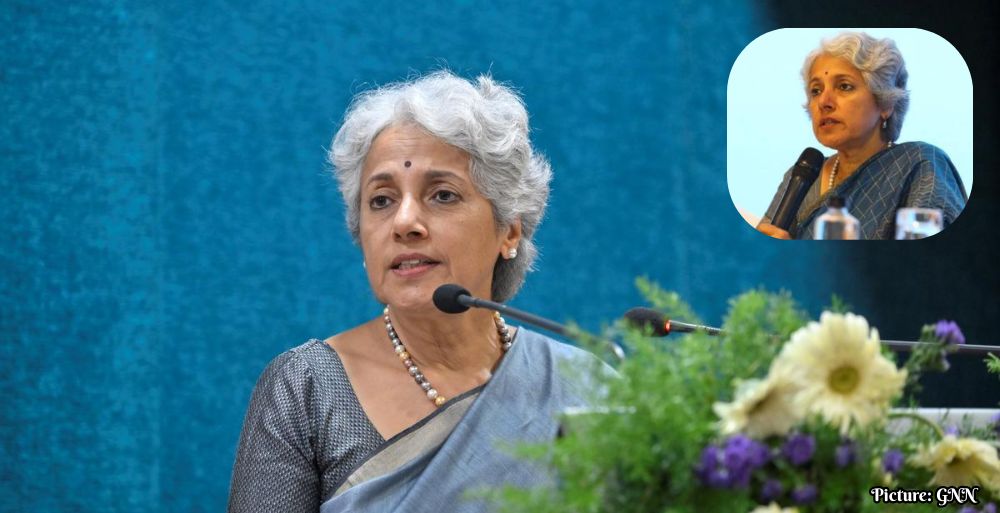
Dr. Soumya Swaminathan, in her convocation address at the Indian Institute of Science, emphasized the need for scientific research to embody integrity, transparency, and social relevance, particularly in addressing the challenges faced by vulnerable communities.
In a virtual address delivered during the convocation ceremony of the Indian Institute of Science (IISc) in Bengaluru on July 10, 2026, Dr. Soumya Swaminathan, Chairperson of the M.S. Swaminathan Research Foundation (MSSRF), stressed the importance of ensuring that scientific endeavors reach society with integrity, transparency, and compassion. The event celebrated the graduation of 1,452 PhD and master’s students, alongside 118 undergraduate students, marking a significant milestone for the institution.
Dr. Swaminathan articulated that while India is known for its scientific excellence, this achievement must be accompanied by a commitment to addressing pressing societal issues. “The challenge before us is not only to produce good science or better science, but to ensure that science reaches society with integrity, transparency and compassion,” she stated. Her assertion highlights a growing recognition within the scientific community that the true impact of research is measured not solely through academic accolades but through its practical benefits to the community, especially for those who are marginalized or vulnerable.
The Shift Towards Collaborative Science
Dr. Swaminathan emphasized that today’s scientific breakthroughs are increasingly the result of interdisciplinary collaboration. She noted, “The most important discoveries of the future are not going to come from within disciplines, but rather at their intersection.” This perspective underscores the evolving landscape of scientific inquiry, where complex global challenges demand integrated approaches that leverage expertise across various fields.
For example, she explained that a climate scientist may need to collaborate with an economist, while a biologist might require the insights of a data scientist. This collaborative ethos is becoming increasingly crucial as disciplines such as artificial intelligence (AI) intertwine with traditional fields, necessitating partnerships between ecologists and AI specialists. Dr. Swaminathan’s remarks reflect a broader trend in academia, where the convergence of disciplines is seen as essential to addressing multifaceted issues such as climate change, public health, and sustainable development.
The Ethical Imperative in Modern Science
In her address, Dr. Swaminathan also issued a cautionary note regarding the ethical dimensions of rapidly advancing technologies. She specifically cited AI and genomics as areas that pose significant ethical challenges, including concerns about fairness, privacy, and accountability. “AI raises a lot of questions about fairness, exclusion, privacy and accountability. Genomics also raises questions about data privacy and how genomics is being used particularly with experiments that are used in pathogens,” she explained. Her comments reflect a growing apprehension among scientists and ethicists about the potential misuse of powerful technologies, which can yield both beneficial and detrimental outcomes.
As the capabilities of scientific research expand, so too does the responsibility of researchers to navigate these ethical complexities. The potential for misuse of genomic data, for instance, necessitates the establishment of robust ethical frameworks that govern research practices. Dr. Swaminathan’s address serves as a poignant reminder to the next generation of scientists that ethical considerations must be integral to their work, especially as they harness the power of groundbreaking technologies.
Recognizing Academic Excellence
The convocation ceremony was not only a platform for Dr. Swaminathan’s insights but also a celebration of academic achievements. Medals for academic excellence were conferred upon 82 students, recognizing their outstanding performance across various disciplines. The IISc offers a diverse array of programs, including PhD and Integrated PhD courses, as well as multiple Master’s programs such as MTech, MDes, and MSc degrees in fields ranging from Chemical Sciences to Life Sciences. The institute has established itself as a premier institution in scientific education and research, contributing significantly to India’s scientific landscape.
As the graduates prepare to embark on their professional journeys, Dr. Swaminathan’s emphasis on a more socially relevant and ethically grounded approach to science is likely to resonate in the years to come. Her address not only highlights the necessity for integrity and transparency in research but also serves as a guiding principle for future scientists striving to make a meaningful impact on society. The intersection of ethics, collaboration, and scientific relevance is poised to shape the future of research in India, aligning scientific pursuits with the broader goal of societal advancement.
In conclusion, Dr. Swaminathan’s remarks at the IISc convocation underscore a call to action for scientists and researchers: to prioritize not only the pursuit of knowledge but also the implications of that knowledge on society. As the global scientific community grapples with unprecedented challenges, the principles of integrity, transparency, and compassion will be essential for fostering a more equitable and sustainable future.






No Comment! Be the first one.