





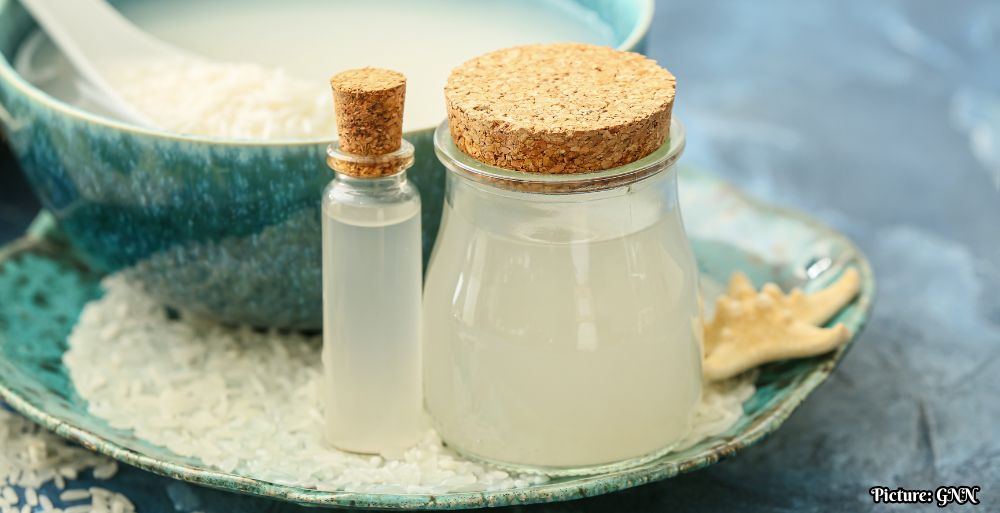
A historical beauty practice among East Asian cultures finds renewed interest as modern research highlights the potential skincare benefits of fermented rice extracts.
Recent discussions surrounding skincare ingredients have brought attention to the traditional practice of using rice water, particularly among women in East Asia. This practice, which has been passed down through generations, is now intersecting with modern cosmetic research that suggests fermented rice extracts may provide various skin benefits, including the potential to reduce hyperpigmentation.
The notion that Korean women used leftover rice water as a beauty treatment is not entirely new; rather, it is a practice shared across several East Asian cultures, including Japan and China. Historical records indicate that Heian-era court women in Japan utilized rice bran, known as komenuka, as a hair rinse, while the Yao women in southern China continue to ferment rice water for similar purposes. In Korea, the use of rice water in beauty routines is often associated with the Joseon era, although much of the detailed origin story circulating today appears to be a blend of historical fact and modern marketing narratives.
Scientific Insights into Fermentation
Modern studies have begun to explore the chemical properties of rice bran, the outer layer of the grain, which contains beneficial compounds such as gamma-oryzanol, tocopherols, tocotrienols (forms of vitamin E), ferulic acid, and various B vitamins. A 2025 study published in Frontiers in Pharmacology examined the effects of fermented rice bran extract using Aspergillus oryzae, the same mold used in the production of sake and miso. The findings indicated that the fermented extract enhanced collagen and elastin production in cell cultures and improved skin quality in mice. However, it is important to note that these results were obtained in controlled laboratory settings and have not yet been validated in human clinical trials.
A broader review published in the journal Cosmetics in 2025 summarized existing literature on rice fermentation products, indicating their potential to diminish melanin production, lighten dark spots, and support collagen synthesis. The authors of the review emphasized the necessity for standardized production methods and extensive clinical trials before these ingredients can be deemed effective for practical use. Such qualifiers often get lost in commercial marketing, which may lead to misconceptions about the efficacy of rice water in skincare.
The Role of Kojic Acid
A key component linking rice fermentation to skin lightening is kojic acid, a by-product of the fermentation process involving Aspergillus oryzae. Kojic acid functions by inhibiting tyrosinase, an enzyme crucial for melanin production, by binding to the copper required for its activity. A 2022 review highlighted kojic acid as one of the most extensively studied agents for skin lightening, with applications against freckles, age spots, melasma, and post-inflammatory hyperpigmentation. However, its use is regulated, limited to a concentration of about one percent in cosmetic products due to potential toxicity at higher levels.
While there are preliminary studies indicating a positive effect of kojic acid on skin brightness, such as a small trial involving twelve participants with post-acne discoloration, the limited sample size underscores the need for more extensive research to establish definitive conclusions.
Bridging Tradition and Modern Science
The intersection of traditional practices and modern scientific research highlights a significant gap. While clinical evidence supports the efficacy of isolated compounds like kojic acid at specific concentrations, the variability in the composition of homemade rice water—affected by factors such as the type of rice, fermentation duration, and environmental conditions—means that the active ingredients and their concentrations can vary widely. Consequently, the benefits of a simple rice rinse may not translate directly into comparable results seen in clinical studies.
Moreover, the potential irritative effects of kojic acid raise concerns about its application in uncontrolled home settings. Individuals experiencing persistent pigmentation issues, such as melasma, are advised to seek professional guidance from dermatologists rather than relying solely on traditional remedies, which may not address underlying causes.
While the traditional practice of using rice water for skincare may not be scientifically validated as a standalone treatment, it is not without merit. Rice bran does contain genuine antioxidants, and the fermentation process appears to enhance the skin’s absorption of these beneficial compounds. As interest in these ingredients continues to grow, the focus will likely shift towards the need for standardized, controlled trials to ascertain the efficacy of fermented rice extracts in skincare products.
In summary, the historical use of rice water in East Asian beauty rituals has captured modern attention as researchers explore its potential benefits. However, the need for rigorous scientific validation remains paramount to bridge the gap between tradition and contemporary cosmetic science.



No Comment! Be the first one.