





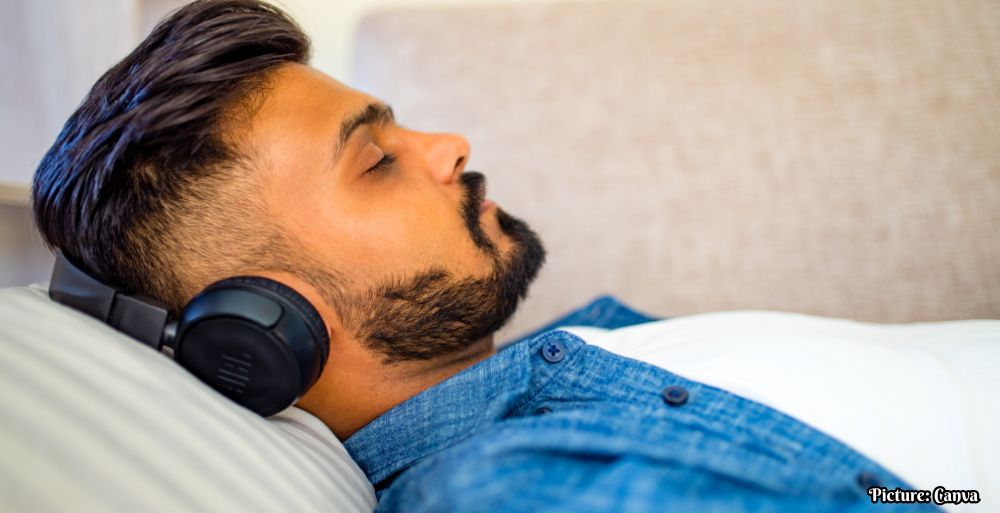
A recent study from researchers in Freiburg highlights that random auditory stimuli during sleep can disrupt deep sleep and impair the brain’s ability to consolidate memories.
A research team at the University of Freiburg, led by neuropsychologists Prof. Dr. Monika Schönauer and Dr. Nora Roüast, has published findings indicating that random sounds played during sleep can significantly hinder memory consolidation processes. The study, which appears in the journal iScience, investigates how non-targeted auditory stimuli affect brain wave patterns during sleep, specifically focusing on the critical slow waves associated with memory formation.
Research Background
In recent years, sleep research has increasingly explored the potential benefits of targeted auditory stimulation to enhance memory consolidation. Previous studies have suggested that specific sounds, when carefully chosen and delivered during sleep, can improve cognitive functions such as memory retention and learning. However, the recent findings from Freiburg raise important questions about the potential negative impacts of random auditory stimuli.
Dr. Roüast remarked, “Our findings show that randomly played sounds can disrupt important processes during sleep. For memory formation, it is not only crucial that slow brain waves occur, but also how they propagate throughout the brain. It is precisely this propagation that is impaired by the sounds.” This assertion underscores the complexity of sleep’s role in cognitive function and the need for refined approaches in sleep research.
Study Design and Methodology
The study involved twenty adult participants, who engaged in two separate test sessions designed to evaluate the effects of sound during sleep on memory consolidation. Participants learned factual knowledge and a sequence of finger movements before taking a three-hour afternoon nap. Throughout these naps, researchers recorded brain activity and sleep stages using electroencephalography (EEG).
On one test day, participants were exposed to randomly played sounds in the form of a sequence of clicks, while on the other day, they experienced a silent environment. After each nap, the researchers assessed the participants’ recall abilities regarding the information they had learned.
Key Findings
Despite the introduction of random sounds not significantly shortening overall sleep duration, the composition of sleep was notably altered. Participants experienced a significant reduction in deep sleep, coupled with an increase in lighter sleep stages. The most concerning finding was the reduced frequency and propagation of slow brain waves, which are essential for memory consolidation. This altered brain wave activity resulted in significantly poorer memory performance among participants who were exposed to random sounds during their sleep.
The researchers concluded that the disruption of deep sleep and the irregular spread of slow brain waves were critical factors contributing to the diminished recall ability observed in participants subjected to auditory stimuli.
Broader Implications of the Research
These findings have profound implications for the field of sleep research and our understanding of memory processes. The study suggests that even benign auditory stimuli, devoid of melody or verbal content, can influence the delicate physiology of sleep and disrupt the intricate processes involved in memory formation. Prof. Dr. Schönauer emphasized the necessity for caution in ongoing research aimed at utilizing sleep-based stimulation for therapeutic purposes, stating, “Precisely because intensive research is currently being carried out into improving memory processes or using them therapeutically with the aid of sleep-based stimulation, our findings show that we must carefully consider potential side effects.”
The ramifications of this research extend into real-world applications, particularly in environments where sleep quality is paramount. As technology becomes increasingly integrated into daily life, the potential for unintended auditory disruptions during sleep poses a significant concern for individuals who rely on effective memory consolidation, including students and professionals. The potential influence of external sounds—whether from urban environments, electronic devices, or even household members—necessitates further exploration of how these factors can be managed to ensure optimal sleep conditions.
Conclusion and Future Directions
This study serves as a critical reminder of the intricate relationship between sleep and cognitive function. As the field of sleep research continues to evolve, it remains essential to consider the broader effects of environmental factors, such as sound, on sleep quality and memory performance. Future research will likely focus on identifying specific auditory conditions that can enhance memory consolidation while minimizing disruptions to sleep physiology.
In summary, the findings from the Freiburg study contribute valuable insights to our understanding of the complexities of sleep and memory. As researchers continue to investigate the nuances of auditory stimulation during sleep, it is crucial to balance potential benefits against the risks presented by random auditory stimuli.
For those interested in the original research, the study can be referenced as follows: Roüast, N. M., et al. (2026). Random auditory stimulation during sleep disturbs traveling slow waves and declarative memory. iScience. DOI: 10.1016/j.isci.2026.116601.





No Comment! Be the first one.