





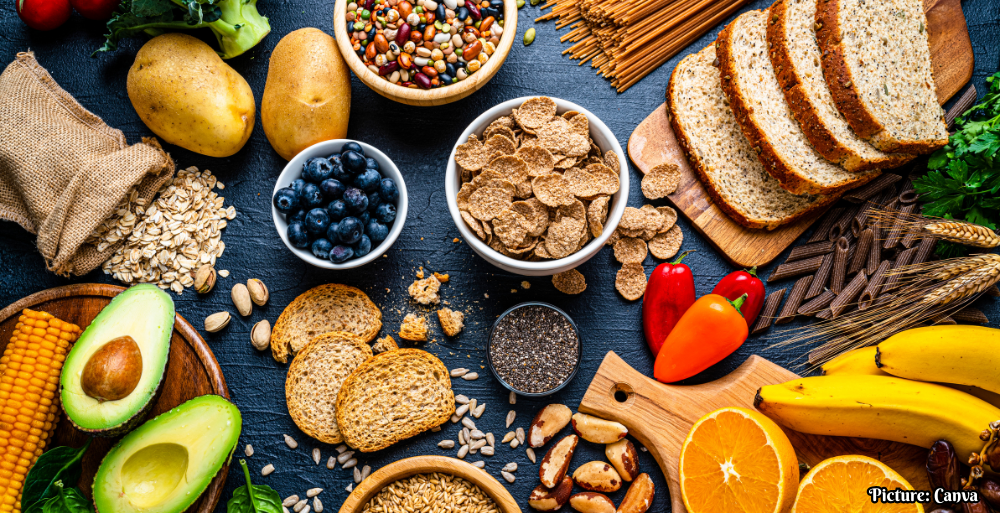
Health professionals are calling attention to the importance of dietary fiber in daily nutrition, offering practical tips to help individuals increase their fiber intake amidst widespread deficiencies across the United States.
As health trends evolve, dietary fiber is gaining renewed attention for its pivotal role in bolstering overall wellness. Numerous health professionals assert that fiber, a vital component of a balanced diet, can play a significant role in reducing energy intake, regulating blood glucose levels, and preventing certain cancers. Additionally, it promotes gut health and enhances cardiovascular function, according to Dr. Qianzhi Jiang, a pediatric and family dietitian at The Nutrition Changer. Despite its benefits, many Americans fall short of their daily fiber requirements.
The U.S. Food and Drug Administration (FDA) recommends that active, healthy adults consume approximately 28 grams of dietary fiber each day. However, studies have shown that nearly all American adults are not meeting this guideline, with some research suggesting that up to 95% of individuals are consuming below the recommended intake. This significant deficiency raises concerns about the long-term health implications for the population, including increased risks of obesity, diabetes, and cardiovascular diseases.
Maximizing Fiber from Fruits and Vegetables
One of the simplest strategies to enhance fiber intake is to consume the skin of fruits and vegetables. Dr. Lisa Ganjhu, a gastroenterologist at NYU Langone, emphasizes the importance of not discarding peels, as they often contain higher fiber content than the flesh. For instance, consuming an apple with its skin can add an additional 2 grams of fiber per serving. This practice not only increases fiber consumption but also preserves the nutrients found in the skin. Nevertheless, she advises using discretion, noting that certain fruits, such as avocados and bananas, should not be consumed with their skins.
Incorporating Beans and Legumes
Beans and legumes are another excellent source of dietary fiber. Options such as split peas, lentils, and black beans can easily be integrated into salads, soups, or pasta dishes. Registered dietitian nutritionist Valerie Agyeman highlights the convenience of adding these ingredients, noting that they can make meals not only more satisfying but also significantly boost fiber content. For example, a half-cup of cooked lentils can provide approximately 8 grams of fiber, making it a powerful addition to any meal.
Adding Seeds and Nuts
Seeds and nuts also provide an effective means to increase fiber intake. Agyeman recommends incorporating a spoonful of chia seeds, flax seeds, or unshelled hemp seeds into meals. For example, an ounce of chia seeds contains about 10 grams of fiber, while flax seeds and hemp seeds provide 8 and 9 grams, respectively. For those looking for an easy starting point, products like Zoe’s Daily30, which includes 30 plant-based ingredients, can offer a convenient way to add fiber to the diet. The versatility of seeds allows them to be sprinkled on yogurt, added to smoothies, or mixed into baked goods, enhancing both nutrition and flavor.
Enhancing Desserts with Plant-Based Ingredients
Incorporating fruits and vegetables into desserts is a delicious way to increase fiber intake without sacrificing taste. Dr. Jiang suggests topping desserts, such as ice cream or pie, with fiber-rich options like raspberries, pears, or apples. For instance, one cup of raspberries contains about 8 grams of fiber, while a medium pear offers 5.5 grams, and an apple with skin provides around 4.5 grams. These additions not only enhance fiber content but also contribute a variety of essential vitamins and minerals. This approach can transform traditional desserts into healthier choices, catering to both sweet cravings and nutritional needs.
Choosing High-Fiber Snacks
When it comes to snacking, Dr. Jiang recommends opting for high-fiber choices over conventional snacks like granola bars. Alternatives such as popcorn, nuts, seeds, or roasted chickpeas can satisfy hunger while boosting fiber intake. For example, three cups of air-popped popcorn contain approximately 3.5 grams of fiber, making it a crunchy and fulfilling option. These snacks can offer a sense of satiety and help curb overeating, contributing to better overall dietary habits.
Utilizing Cooking Techniques
Cooking methods can also influence the fiber content of certain foods. The ‘cook and cool’ technique, which involves preparing starchy foods like potatoes, pasta, and rice and then allowing them to cool, can create resistant starches. According to Dr. Ganjhu, these resistant starches may improve blood sugar control, enhance feelings of fullness, increase insulin sensitivity, reduce cholesterol levels, and promote colon health. This technique not only increases the fiber content but also elevates the overall health benefits of these staple foods.
The growing recognition of dietary fiber’s health benefits underscores the need for individuals to explore various ways to enhance their intake. By making informed choices about food preparation and incorporating high-fiber ingredients into meals and snacks, Americans can work towards meeting their dietary fiber needs. As experts continue to advocate for better dietary practices, the integration of fiber-rich foods into daily diets emerges as a straightforward yet impactful strategy for improving overall health and well-being.




No Comment! Be the first one.