






Experts recommend simple lifestyle changes that can significantly enhance longevity and overall health, emphasizing the importance of consistency over intensity.
Recent discussions among health professionals have highlighted the significance of certain lifestyle habits that may contribute to a longer, healthier life. As people increasingly seek ways to improve their longevity, experts emphasize that many of the solutions lie in simple, sustainable practices rather than expensive supplements or complex regimens.
The concept of longevity has gained traction, particularly with insights drawn from the world’s Blue Zones—regions where inhabitants frequently live into their 90s and beyond. Contrary to the prevailing belief that longevity is achieved through rigorous exercise and strict diets, individuals in these communities engage in natural forms of movement and prioritize social connections, balanced nutrition, and stress management.
“Consistency matters more than intensity when it comes to healthy aging,” states Dr. Jay Luthar, a lifestyle and integrative medicine physician. He notes that “small, sustainable habits practiced daily often outperform short-term, extreme interventions.”
1. Emphasizing Plant-Based Diets
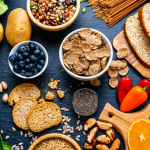
Diet plays a crucial role in promoting longevity. Research suggests that a predominantly plant-based diet—rich in fruits, vegetables, whole grains, legumes, nuts, and seeds—can significantly enhance health outcomes. Dr. Luthar asserts that “a predominantly plant-forward diet is one of the most consistently supported strategies for longevity across populations and cultures.”
Plants are known to be nutrient-dense, providing essential fibers, polyphenols, and antioxidants that combat chronic illnesses. Dr. Luthar adds that these dietary components help reduce inflammation, enhance insulin sensitivity, and promote cardiovascular health. Moreover, he highlights the benefits of legumes, stating, “Legumes in the diet are one of the best predictors of longevity in the Blue Zone research.”
Studies reveal that diets such as the Mediterranean diet, which emphasizes seasonal plants and healthy fats, have the strongest ties to longevity. Similar dietary patterns observed in Nordic and Okinawa cultures also contribute positively to health.
2. The Importance of Physical Activity
Regular physical activity is recognized as a powerful factor in extending both lifespan and healthspan. Dr. Luthar emphasizes that “exercise improves cardiovascular, brain, and metabolic health,” while also reducing the risk of various diseases, including cancer and depression. He recommends engaging in at least 150 minutes of moderate cardio per week, complemented by strength training and flexibility-enhancing exercises like yoga or Pilates.
3. Strength Training
Muscle mass is vital for maintaining not only physical strength but also metabolic health. Dr. David Fein points out, “Muscle is the main organ for controlling blood sugar.” As individuals age, they naturally begin to lose muscle mass, making strength training essential for preserving metabolic function and reducing the risk of type 2 diabetes. Dr. Luthar suggests that resistance training twice a week can provide significant health benefits.
4. Alcohol Consumption
Research indicates that there may be no safe level of alcohol consumption, with even moderate drinking potentially having negative health implications. Dr. Fein warns, “When alcohol is metabolized, it produces acetaldehyde, which can damage DNA.” Additionally, alcohol consumption may disrupt sleep and contribute to weight gain.
5. Stress Management
Chronic stress is recognized as detrimental to both mental and physical health. Dr. Luthar describes its impact, stating, “Persistent activation of the stress response can accelerate biological aging and increase the risk of chronic disease.” While complete stress elimination may not be feasible, engaging in activities such as meditation, exercise, and creative pursuits can help manage stress effectively.
6. Nurturing Social Relationships
Strong social ties have emerged as significant predictors of longevity. Dr. Fein notes that “having a strong social life appears to strongly correlate with a better chance of not only living longer but also maintaining good health.” Social interactions can boost mood and relieve stress, contributing positively to overall health.
7. Minimizing Processed Foods
High consumption of added sugars and ultra-processed foods is linked to increased risks of obesity and various chronic diseases. Dr. Luthar suggests that focusing on whole, minimally processed ingredients is more effective for longevity than strict calorie counting. He encourages individuals to opt for seasonal produce and to cook at home whenever possible.
8. Prioritizing Sleep
Quality sleep is foundational to health, with adults advised to aim for at least seven hours per night. Dr. Luthar points out that “poor sleep accelerates biological aging,” increasing the risk for several serious health conditions. Adequate sleep is essential for the body’s repair mechanisms to function effectively.
In summary, research supports the notion that simple, healthy habits can enhance both longevity and quality of life. These habits emphasize the importance of a balanced diet, regular physical activity, social engagement, effective stress management, and adequate sleep. By adopting these practices, individuals may not only extend their lifespan but also improve their overall well-being.





No Comment! Be the first one.