





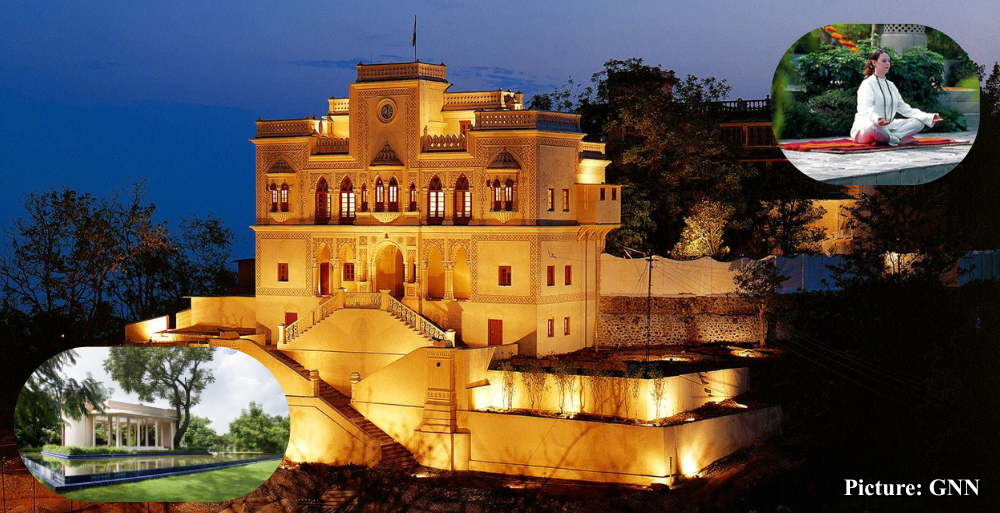
A recent visit to Ananda in the Himalayas showcases the transformative potential of Ayurvedic practices, emphasizing the importance of holistic wellness in today’s fast-paced world.
RISHIKESH, India — A food and drink writer’s unexpected journey into the depths of Ayurvedic healing unfolded during a week-long retreat at Ananda in the Himalayas, a distinguished wellness destination nestled in the foothills of Uttarakhand. This serene 100-acre estate, formerly the residence of the Maharaja of Tehri-Garhwal, serves as a sanctuary for those seeking respite from the stresses of modern life. The visit coincided with the launch of Ananda’s new cookbook, “The Healing Plate,” which aims to introduce the principles of Ayurvedic cuisine and healing to a wider audience.
Initially, the writer approached the retreat with skepticism, expecting merely to enjoy flavorful vegetable curries and learn about Ayurvedic practices. However, the experience soon revealed its deeper significance, addressing the pervasive impact of stress on both the body and mind.
A Holistic Approach to Wellness
Upon arrival at Ananda, the writer was enveloped in a tranquil environment characterized by lush gardens and panoramic views of the surrounding mountains. Ananda’s wellness program encompasses yoga, meditation, spa treatments, and personalized Ayurvedic consultations designed to create a holistic healing experience. Dr. Naresh Perumbuduri, an Ayurvedic practitioner assigned to the writer, conducted an assessment based on a pre-arrival intake conducted over Zoom. His findings indicated an accumulation of stress-induced toxins affecting the writer’s health, particularly exacerbating a Pitta imbalance, one of the three doshas identified in Ayurveda.
Ayurveda, with roots extending over 5,000 years, posits that each individual is composed of three primary life forces: Vata, Pitta, and Kapha. Each dosha embodies distinct physical and emotional characteristics, influencing health and personality. The aim of Ananda’s approach is to restore balance through lifestyle modifications, including dietary changes and therapeutic practices.
Immersive Spa Treatments and Dietary Changes
The retreat offered a series of intensive spa treatments aimed at detoxification and rejuvenation. These included massages, body masks, aromatherapy, and other holistic therapies. The comprehensive nature of these treatments often required the collaboration of multiple practitioners, providing an exceptional level of care and attention. Some therapies were unconventional, such as inhalation of healing oils, which were integral to the detox regimen.
The dietary regimen at Ananda adhered strictly to Ayurvedic principles. The writer humorously referred to the limited food options as “Ayurvedic gruel,” noting the initial dissatisfaction with the modest portions. Nonetheless, these meals were crafted to align with the therapeutic goals of the program, emphasizing balance and internal warmth. Alcohol was prohibited, and cold foods were restricted, reinforcing Ayurveda’s focus on promoting overall well-being through diet.
Yoga and Emotional Wellness
As the week progressed, the writer engaged in private Hatha yoga sessions, which challenged preconceived notions of wellness. The experience encouraged a reconnection with the body, fostering mindfulness and self-awareness that had been lacking amid professional demands. This shift was further highlighted during an Emotional Wellness Consultation, where the writer articulated feelings of stress, sadness, and frustration.
Dr. Naresh’s remarks about the influence of external information on the body and mind resonated deeply with the writer. Having reported on the emotional toll of the dining industry’s immigrant experiences, the writer found that their work-related stress and anxiety were inextricably tied to their emotional state. The retreat thus served not only as a physical healing space but also as a platform for emotional reflection and renewal.
Reflection and Personal Transformation
By the conclusion of the retreat, the writer experienced a profound sense of clarity and relief. The experience underscored the necessity of prioritizing self-care, emphasizing that true well-being encompasses nurturing the mind and spirit in addition to the body. Although the final health assessment flagged areas for improvement, the writer felt a significant shift in emotional and mental state, describing a newfound lightness of spirit despite the technician’s critical observation.
Ananda in the Himalayas stands as a testament to the potential benefits of holistic healing practices. As modern society grapples with escalating stress and anxiety, retreats like Ananda offer a refuge for individuals seeking to recalibrate their well-being through ancient wisdom and practices. This experience illustrates that wellness is not a destination but rather a continuous journey of self-discovery and balance.
In conclusion, the transformative power of Ayurveda and holistic wellness is increasingly relevant in today’s fast-paced world. Ananda’s approach to health and well-being highlights the importance of integrating mind, body, and spirit, offering valuable insights into the necessity of self-care and the benefits of a balanced lifestyle. As more individuals seek refuge from the demands of contemporary life, the wisdom of practices like Ayurveda may offer essential guidance in navigating the complexities of modern existence.




No Comment! Be the first one.