




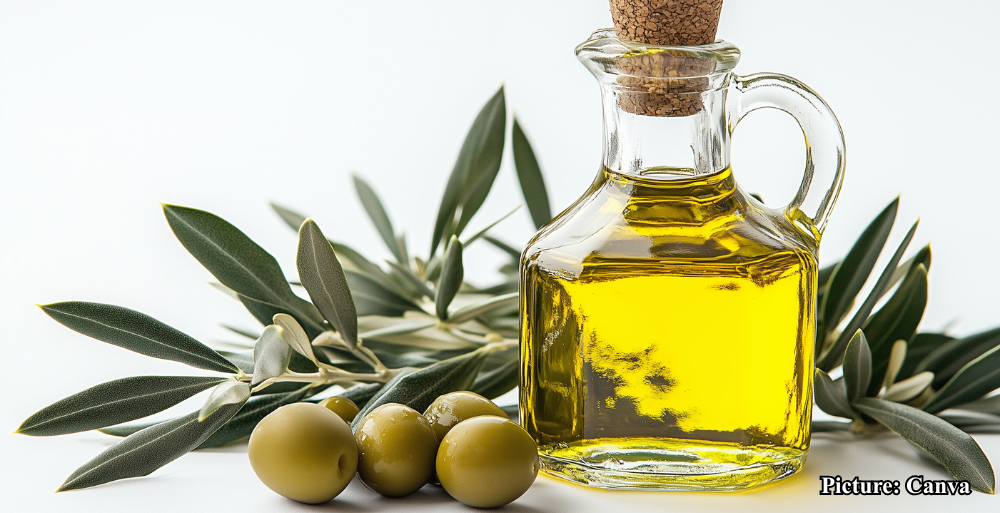
Research indicates that incorporating extra virgin olive oil into daily diets can help manage blood pressure, aligning with the heart-healthy principles of the Mediterranean diet.
In recent years, extra virgin olive oil (EVOO) has gained recognition as a potent ally in the quest for better cardiovascular health, particularly in regulating blood pressure. This comes amid an increasing body of research supporting the significant health benefits of dietary fats, specifically unsaturated fats found in olive oil. The Mediterranean diet, which prominently features olive oil, has long been celebrated for its association with heart health and longevity.
Mechanisms Behind Blood Pressure Reduction
The potential of olive oil in reducing blood pressure can be attributed to its unique composition, rich in monounsaturated fats and polyphenols. Monounsaturated fats, often referred to as ‘healthy fats,’ play a crucial role in lowering low-density lipoprotein (LDL) cholesterol, commonly known as ‘bad cholesterol.’ A decrease in LDL levels is associated with a lower risk of heart disease and stroke, both of which are exacerbated by high blood pressure.
Moreover, polyphenols found in olive oil serve as antioxidants that combat oxidative stress—an imbalance between harmful free radicals and beneficial antioxidants in the body. Oxidative stress is linked to various cardiovascular issues, including hypertension. Research published in the journal Nutrients has shown that moderate consumption of EVOO is linked to improved blood pressure management, particularly when it replaces saturated fats in the diet.
Understanding the Differences in Olive Oil Types
The distinction between extra virgin olive oil and regular olive oil lies primarily in their processing methods and resultant nutritional quality. EVOO is extracted through cold-pressing, a method that preserves the oil’s beneficial compounds, including its high levels of polyphenols. Conversely, regular olive oil typically undergoes chemical and heat processing, resulting in a blend that lacks the same nutritional potency.
Timeline for Health Benefits
While the health benefits of incorporating olive oil into one’s diet are well-documented, they are not immediate. Clinical studies indicate that individuals may experience noticeable reductions in blood pressure after several weeks of consistent olive oil consumption. However, individual results can vary significantly based on a variety of factors, including overall dietary habits, levels of physical activity, and starting blood pressure levels.
Recommendations for Individuals with Hypertension
For those diagnosed with high blood pressure, replacing saturated and trans fats with healthier unsaturated fats such as olive oil can provide substantial cardiovascular support. Diets high in saturated fats—often found in red meat, butter, and certain tropical oils—are linked to an increased risk of atherosclerosis, a condition characterized by plaque buildup in the arteries that can lead to hypertension, heart attacks, and strokes. In contrast, the unsaturated fats in olive oil have been shown to exert protective effects on heart health.
Optimal Daily Intake
Health experts typically recommend a daily intake of one to two tablespoons of olive oil, preferably EVOO, to maximize heart health benefits. This moderate consumption not only aids in lowering blood pressure but also promotes healthier cholesterol levels, enhances satiety, and supports digestive health. The American Heart Association highlights the importance of integrating healthy fats like olive oil into one’s diet as part of a balanced nutritional approach.
Selecting High-Quality Olive Oil
Not all olive oils are created equal, and selecting a high-quality EVOO is essential for reaping its health benefits. Consumers should prioritize oils from reputable sources, ideally packaged in dark glass to safeguard against light exposure that can degrade the oil’s quality. Look for oils that indicate a harvest or pressing date, which is more meaningful than a generic ‘best by’ date. It’s also advisable to be wary of olive oils priced significantly lower than the market average, as this can be indicative of adulteration—a practice where inferior oils are mixed with olive oil to enhance volume at the expense of quality.
Incorporating Olive Oil into Daily Meals
Integrating olive oil into one’s diet can be both simple and enjoyable. There are numerous ways to incorporate EVOO into daily meals, including:
- Taking a tablespoon directly as a daily supplement.
- Using it as a base for salad dressings, mixed with herbs and vinegar.
- Drizzling it over steamed or roasted vegetables.
- Incorporating it into soups or sauces.
- Using it for sautéing or grilling proteins and grains.
By replacing less healthy fats with olive oil, individuals can take significant strides toward managing blood pressure and enhancing cardiovascular health.
Conclusion
As research continues to unveil the extensive health benefits associated with olive oil, it is becoming increasingly clear that this staple of the Mediterranean diet is an invaluable component for those looking to improve heart health and manage blood pressure. The promising evidence surrounding EVOO underscores the importance of dietary choices in long-term health outcomes.






No Comment! Be the first one.