





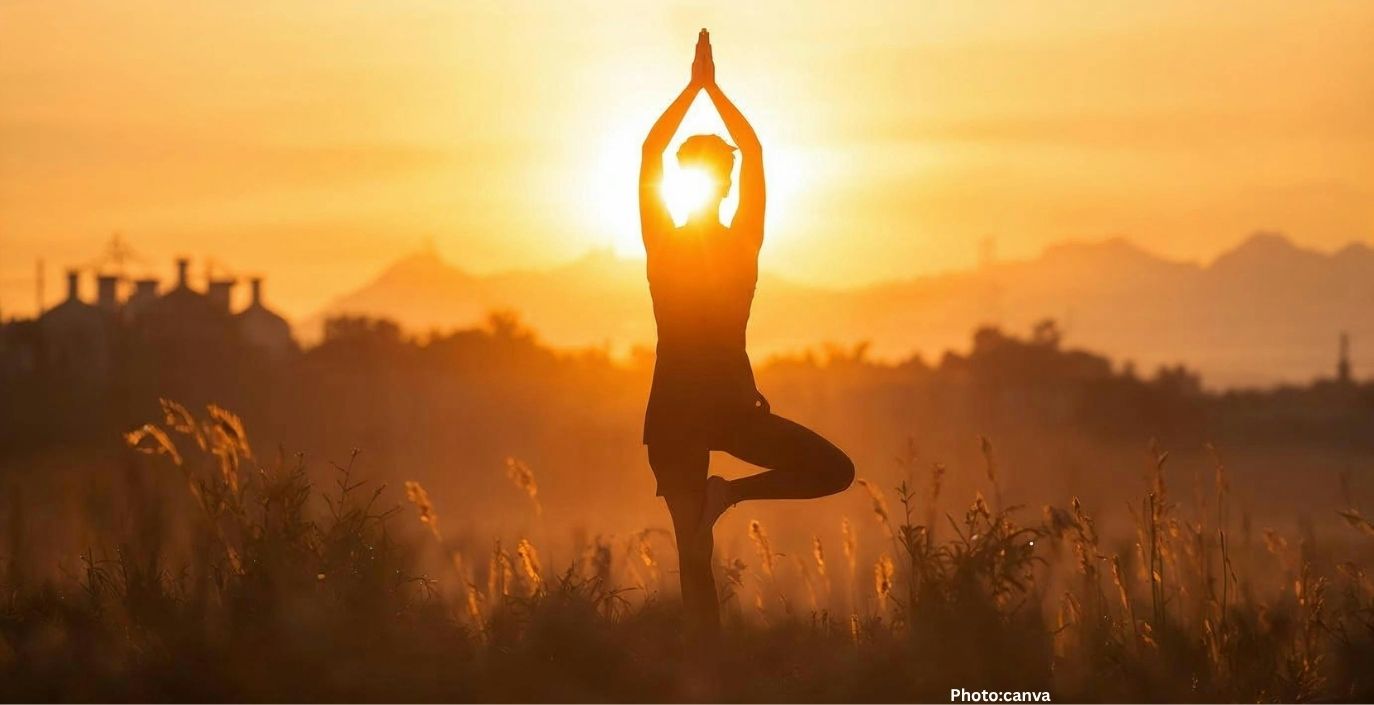
A deep dive into the practice of Tree Pose (Vrksasana), illustrating its significance in yoga as a tool for self-discipline and mental clarity.
As yoga continues to gain popularity across the globe, practitioners often seek stability in both body and mind through various poses. One such pose, Tree Pose (Vrksasana), offers a profound opportunity for self-exploration, discipline, and balance. First documented in the January-February 1989 issue of Yoga Journal, this article revisits the intricate relationship between physical postures and psychological resilience.
Tree Pose, emblematic of yogic practice, serves not only as a physical exercise but also as a spiritual endeavor. According to the ancient texts known as Patanjali’s Yoga Sutras, the practice of yoga encompasses five niyamas, or observances, which are essential for beginner practitioners. Among these, tapas—often interpreted as austerity or self-discipline—holds a pivotal role. This concept urges individuals to confront their limitations and fears, facilitating a deeper understanding of their capabilities.
The term tapas has its roots in the Sanskrit language, likely derived from the process of purifying gold through intense heat. B.K.S. Iyengar, a renowned yoga master, elucidates that tapas is best understood as ‘burning desire.’ He articulates that this desire aims to cleanse every aspect of our being—physically, emotionally, and spiritually—leading to a state of purity and health.
The Mechanics of Balance
From a physical standpoint, balancing in Tree Pose requires significant mental focus and willpower. As Mabel Todd notes in her influential work, The Thinking Body, the act of standing requires more effort than walking, primarily due to the multitude of small, cooperative movements needed to maintain balance. In the context of yoga, the challenge increases exponentially with poses like Vrksasana, where any hint of self-doubt or distraction can lead to loss of balance.
During a class session focused on beginners, the common observation is that when participants falter in Vrksasana, it is often not the physical strength of the standing leg that gives way first, but rather the confidence of the mind. This phenomenon highlights the interconnectedness of mental and physical practice, emphasizing the need for clarity and focus during yoga.
Vrksasana primarily engages the inner thigh muscles, known as adductors. If these muscles are underdeveloped, maintaining an upright posture becomes increasingly challenging. Consequently, practitioners are encouraged to cultivate strength and awareness of these muscles before attempting the pose.
Practicing Tree Pose
To practice Tree Pose effectively, it is beneficial to start in Tadasana (Mountain Pose), utilizing props such as a wooden block to aid in the alignment of the inner thighs. The practitioner is advised to think of lengthening the inner thigh muscles rather than squeezing them, which fosters a sense of stability and grounding. As the inner thighs engage, the lower abdomen firms up, and the lumbar spine begins to lift, thereby enhancing the overall posture.
For those struggling with balance in Vrksasana, leaning against a wall for support can be advantageous. This alternative method allows practitioners to focus on their alignment without the immediate pressure of standing independently. The posture requires careful attention to how the body is positioned in relation to the wall, ensuring that the spine remains neutral while the pelvis stays aligned.
Once the right foot is positioned on the inner left thigh, the arms should extend overhead, maintaining a conscious awareness of the ribcage’s alignment with the wall. As the pose is held, practitioners are encouraged to breathe deeply, fostering a sense of calm and grounding.
Variations and Applications
Tree Pose can also be practiced in variations that utilize wall support to reinforce the correct alignment of the bent leg. By pressing the knee against the wall and ensuring that the pelvis remains steady, practitioners can better understand the mechanics of balance and strength in their practice. This awareness is crucial not only for Vrksasana but also applies to other standing poses, such as Warrior II and Extended Side Angle Pose, where the inner thighs play a critical role in maintaining stability.
For those experiencing challenges with balance due to weaknesses in the foot or ankle, adding weights can provide the necessary feedback to strengthen these areas. This technique helps develop a greater sense of awareness and stability, contributing to improved performance in the pose.
Ultimately, the act of practicing yoga, particularly through poses like Tree Pose, embodies the essence of tapas, where discipline serves as a refuge rather than a burden. The goal is to relinquish distractions that hinder self-discovery and to embrace the inward journey toward clarity and joy. As C.G. Jung poetically described, yoga allows practitioners to feel ‘rooted in this world and growing up to heaven,’ encapsulating the duality and harmony of spiritual and physical practice.
In conclusion, Tree Pose is not merely a physical exercise but a holistic practice that invites individuals to explore their boundaries and cultivate resilience. Through consistent practice, yoga practitioners can develop a deeper connection with themselves, fostering both mental stability and physical strength.



No Comment! Be the first one.