



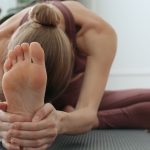


Yoga can be a transformative practice that helps individuals physically connect with feelings of gratitude, especially during challenging times.
As the calendar year approaches its conclusion, many individuals engage in a period of reflection, contemplating the aspects of their lives that inspire feelings of gratitude. However, for some, accessing this sentiment can be particularly difficult in a world often filled with stressors and uncertainties. To assist individuals seeking to reconnect with their sense of thankfulness, certified yoga instructor and editor Calin Van Paris outlines five yoga poses designed to facilitate a deeper connection to gratitude.
The Challenge of Embracing Gratitude
Gratitude, while universally acknowledged as a positive emotion, is often complex and can be influenced by personal experiences, societal events, and the changing seasons. Key moments such as the transition into a new season, significant life milestones, or holiday gatherings frequently prompt introspection about what we appreciate. Despite these opportunities for reflection, many people struggle to tap into genuine feelings of thankfulness, particularly when confronted with personal challenges or global crises.
The ongoing global pandemic, economic uncertainties, and political tensions have further complicated the ability to feel grateful in the present moment. According to a survey conducted by the American Psychological Association, many individuals reported heightened stress levels, making it difficult to focus on the positive aspects of life. In response to these challenges, Van Paris suggests that embodying gratitude through physical practices such as yoga may be more accessible than attempting to foster positive thoughts alone. The following poses not only encourage physical engagement but also create a nurturing space for gratitude to flourish.
Five Yoga Poses to Foster Gratitude
1. **Child’s Pose (Balasana)**: This foundational pose is often regarded as an expression of surrender. Kneeling with your forehead and palms pressed to the ground symbolizes a deep connection with the earth. By envisioning roots extending from your body into the ground, practitioners can cultivate a profound sense of gratitude for the universe and the support it provides. Spending a few moments in this pose can help ground the mind and body, paving the way for feelings of appreciation to emerge.
2. **Squat (Malasana)**: The Squat position brings practitioners closer to the earth, embodying both humility and strength. With feet firmly planted, this pose encourages stability while engaging the lower body. Adopting a prayer position with the hands adds a layer of intentional gratitude for the body and one’s life circumstances, serving as a reminder of the interconnectedness of strength and vulnerability.
3. **Upward Salute (Urdhva Hastasana)**: This pose is often associated with joy and celebration. Standing tall and lifting the arms overhead mimics the natural expression of gratitude that one might feel in moments of joy. When in a state of genuine appreciation, this pose transforms the act of expressing gratitude into an instinctive and joyous experience, offering a physical representation of celebration for life and its offerings.
4. **Camel Pose (Ustrasana)**: This backbending pose encourages openness and vulnerability. In Camel Pose, practitioners lean back, exposing their heart and throat, which invites a profound sense of liberation and gratitude for the human experience. This orientation allows individuals to connect physically with emotions that may be difficult to articulate verbally, fostering a deeper understanding of their feelings.
5. **Savasana**: Known as the ultimate pose of relaxation, Savasana involves lying on one’s back and surrendering fully to the earth. This position opens the front body to the universe while grounding the back body, creating a harmonious balance. By quieting the mind and embracing the present moment, Savasana serves as a powerful expression of acceptance and gratitude for life as it exists.
The Broader Implications of Gratitude
Research has consistently shown that practicing gratitude can lead to improved mental health outcomes. A study published in the Journal of Happiness Studies found that individuals who regularly engage in gratitude practices report higher levels of well-being, increased life satisfaction, and lower levels of depression. The physical embodiment of gratitude through yoga can complement these mental health benefits, providing a holistic approach to fostering well-being.
Moreover, the act of incorporating gratitude into daily life can promote positive social relationships and community engagement. As individuals express gratitude towards others, it creates a ripple effect, encouraging a culture of appreciation and support. Van Paris emphasizes the importance of connecting both mind and body in the practice of gratitude, suggesting that physical expressions can enhance emotional experiences.
Conclusion
As individuals navigate the complexities of life, incorporating these yoga poses into their practice can help unlock deeper feelings of gratitude. Whether faced with personal challenges or global uncertainties, the physical embodiment of thankfulness through yoga acts as a transformative tool. By allowing oneself to feel gratitude in the body, practitioners may find it easier to cultivate a mindset of appreciation in their daily lives.
Calin Van Paris, a yoga instructor with over 20 years of experience, continues to explore themes of wellness and mindfulness as an editor at Yoga Journal. Her insights encourage individuals to embrace their experiences fully, fostering a deeper connection to themselves and the world around them.




No Comment! Be the first one.