




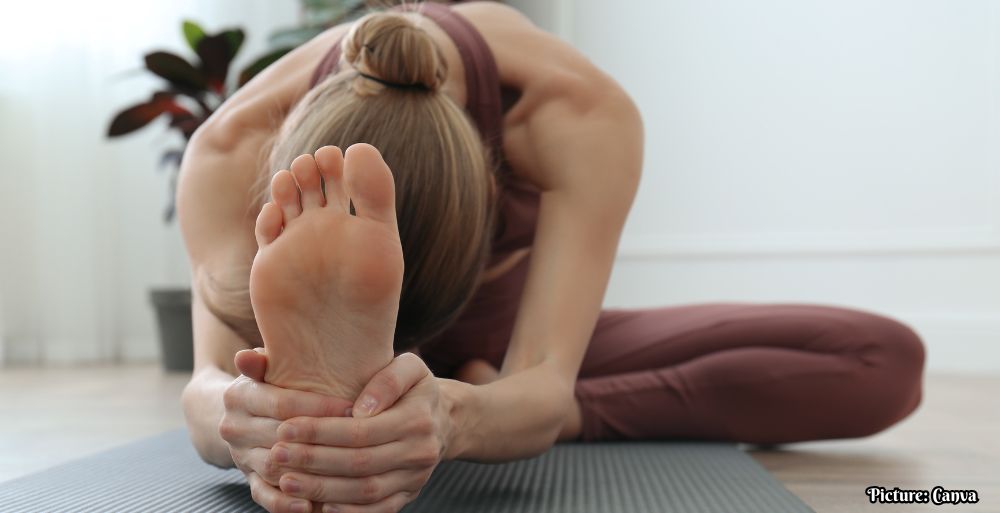
This 12-minute yin yoga routine helps individuals manage anxiety and stress through gentle stretching and mindfulness techniques.
In contemporary society, where the pace of life often leads to heightened anxiety and stress, a brief yet effective yoga practice can provide a valuable refuge for mental and physical relaxation. On November 17, 2026, Ebony Smith, a yoga instructor and founder of Yoga N Da Hood, introduced a concise 12-minute yin yoga routine designed specifically to assist individuals in reconnecting with the present moment while alleviating feelings of anxiety.
This routine highlights the significance of mindfulness and physical stillness, which are particularly beneficial for those grappling with increased stress levels. Anxiety can manifest in various ways, from incessant rumination over past choices to overwhelming concern about future responsibilities. Smith’s approach encourages practitioners to focus on their current experiences, providing a structured method to disengage from anxiety-inducing thoughts.
The Role of Mindfulness in Yoga Practice
Mindfulness is a core element of many yoga practices, directing individuals to concentrate on the present moment without judgment. Within the context of yoga, mindfulness is fostered through intentional breathing and physical postures that promote relaxation. Smith’s yin yoga sequence is especially approachable, requiring no prior yoga experience and allowing practitioners to engage at their own pace. Each pose is intended to be held for several minutes, facilitating deep stretching and enhancing mental clarity.
Overview of the 12-Minute Yin Yoga Routine
The proposed routine consists of four primary poses, each targeting the release of tension, particularly in the hips and lower back. Smith recommends finding a tranquil space, dimming the lights if feasible, and utilizing props such as pillows or yoga blocks for additional support.
- Supine Spinal Twist Variation: To commence, lie on your back with your feet flat on the mat and knees raised toward the ceiling. Allow your knees to gently drop to one side while turning your head in the opposite direction. This pose not only stretches the spine but also encourages relaxation. Practitioners can hold this pose for up to three minutes before switching sides for balanced stretching.
- Supported Bridge Pose: In this pose, lie on your back with knees bent and feet flat on the mat. Roll your shoulders beneath you and press your feet into the mat to lift your hips toward the ceiling. Place a block or bolster under your sacrum to create a gentle arch. This restorative position helps open the chest and alleviate lower back tension. After a few minutes, gently remove the support and perform side-to-side movements with the knees to release any lingering tension.
- Constructive Rest: In this position, lie on your back with your feet wider than hip-width apart, allowing your knees to fall inward. This pose promotes relaxation in the lower body and can be enhanced by resting one hand on the heart and the other on the abdomen, fostering a connection between breath and body.
- Savasana: The routine culminates in Savasana, or the Corpse Pose, where practitioners lie still and allow their bodies to absorb the benefits of the preceding poses. This final resting position is crucial for integrating the physical and mental relaxation achieved during the practice.
Benefits of Yin Yoga
Yin yoga is characterized by its slow pace and prolonged holds, distinguishing it from more dynamic styles of yoga. By concentrating on deep connective tissues, yin yoga enhances flexibility and promotes blood circulation. The meditative aspects of this practice also contribute to stress reduction and cultivate a sense of calm, making it particularly advantageous for those dealing with anxiety.
Smith’s routine serves as a reminder that even short, dedicated periods of mindfulness and physical movement can significantly impact mental well-being. For individuals seeking relief from anxiety, this 12-minute practice offers a practical and effective solution, emphasizing the importance of self-care and personal well-being in today’s fast-paced environment.
The Growing Importance of Yoga in Mental Health
As awareness regarding mental health continues to expand, practices like yin yoga are increasingly recognized not only for their physical benefits but also for their potential to enhance mental clarity and emotional stability. Research has shown that regular yoga practice can lead to decreased stress and anxiety levels, supporting the notion that integrating mindfulness into daily routines can foster overall well-being.
In the context of rising mental health challenges exacerbated by modern life stresses, incorporating a routine like Smith’s yin yoga practice can be a straightforward yet impactful way for individuals to address their mental health needs. This 12-minute sequence encourages practitioners to step away from their daily worries and focus on their bodies and breath, creating a crucial space for relaxation and introspection.
As yoga continues to evolve and gain popularity, instructors like Smith play a vital role in making these practices accessible to broader audiences. By offering concise routines that cater to those who may feel overwhelmed or anxious, they contribute to a growing movement that prioritizes mental health alongside physical fitness.
In conclusion, the 12-minute yin yoga routine introduced by Ebony Smith stands as a testament to the transformative power of mindfulness and gentle movement. For anyone seeking a brief escape from the stresses of daily life, this practice not only provides immediate relief but also emphasizes the importance of cultivating a deeper connection with oneself.



No Comment! Be the first one.