





As yoga practitioners increasingly seek relief from hip tightness without compromising knee health, this article details seven effective stretches that prioritize comfort and accessibility.
As yoga continues to gain traction across various demographics, practitioners are becoming more attuned to the specific needs of their bodies. This growing awareness has led to a heightened demand for yoga poses that provide effective hip relief while minimizing stress on the knees. A critical examination of commonly practiced hip stretches reveals that several traditional poses may inadvertently place undue strain on the knee joints, prompting many to seek alternatives that maintain joint integrity.
The Importance of Adapting Yoga Practices
The relationship between hip tightness and knee discomfort is particularly relevant in today’s sedentary lifestyle, where prolonged periods of sitting—especially in rigid, unforgiving chairs—are common. Many individuals experience stiffness in the hips after hours of sitting, which can lead to discomfort in the knees when engaging in traditional yoga poses such as Child’s Pose, Low Lunge, and Pigeon Pose. This discomfort often serves as a reminder that yoga should be a practice of self-care and adaptation, rather than a one-size-fits-all approach.
As one yoga enthusiast shared, after an extensive day seated at a desk, the realization dawned that while certain poses are celebrated for their efficacy in stretching the hips, they can simultaneously exacerbate knee discomfort. This observation highlights a significant issue within the yoga community: the necessity for diverse stretches that cater to varying body types, flexibility levels, and physical conditions.
Seven Effective Knee-Friendly Hip Stretches
To address the needs of practitioners seeking hip relief without compromising knee safety, the following seven poses have been identified as effective alternatives:
- High Lunge: This pose mirrors the benefits of Low Lunge while eliminating weight from the back knee, making it a more accessible option. Practitioners can deepen the stretch by bending the back knee or adjusting the position of their back leg.
- Bridge Pose: Known for its ability to simultaneously stretch both hips, Bridge Pose can be modified by placing a block under the sacrum for a restorative version, allowing for a deeper and more relaxing stretch.
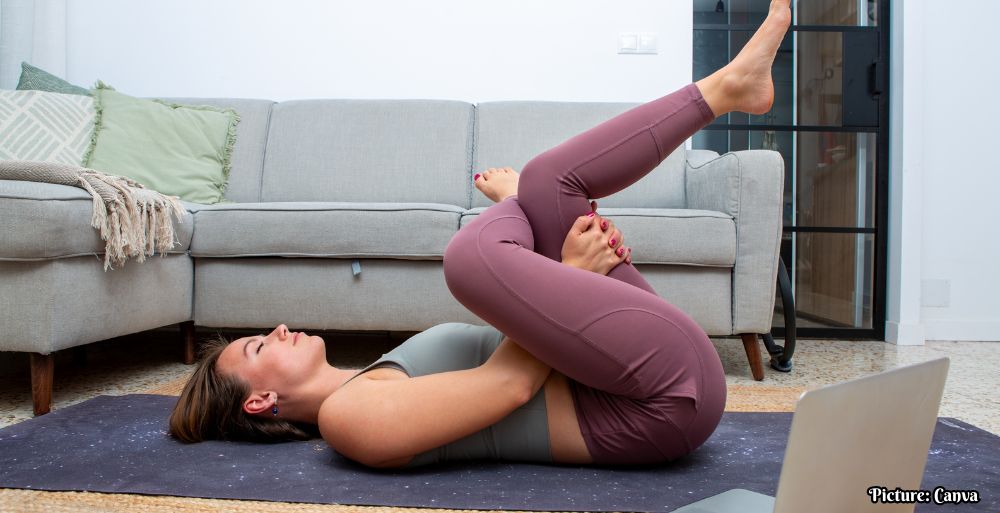
- Happy Baby: This playful pose effectively stretches the hips and inner thighs without bearing weight on the knees, making it an excellent choice for those needing relief after extended sitting.
- Figure 4: A gentler alternative to the more intense Pigeon Pose, Figure 4 can be practiced in various positions—lying on the back, sitting, or even standing. Adjusting the intensity by pressing the lifted thigh away or drawing the supporting leg toward the chest can enhance the stretch.
- Reclined Bound Angle: This pose allows for adjustments based on individual comfort levels by varying the distance between the heels and hips. It serves as a reminder that releasing both physical and emotional tension is essential for overall well-being.
- Seated Wide-Legged Forward Bend: By placing support such as folded blankets or rolled towels under the knees, this pose prevents hyperextension and alleviates pressure on the hamstrings, ensuring a safer stretch.
- Dancer Pose (Against a Chair): Often overlooked, Dancer Pose can be adapted using a strap or towel. Practitioners can hold onto a chair for balance, making this pose accessible for individuals who may struggle with traditional execution.
Broader Implications for Yoga Practice
The pursuit of knee-friendly yoga poses reflects a growing awareness within the yoga community about the importance of adapting practices to meet individual needs. As practitioners become more educated about their bodies, they can select poses that enhance their experience rather than detract from it. This shift aligns with broader trends in wellness that emphasize personalized approaches to health and fitness.
Moreover, the integration of modifications and alternative poses fosters a more inclusive environment within yoga classes. Such adaptations encourage participation from individuals with varying levels of flexibility and physical ability, promoting a sense of community and support among practitioners.
In conclusion, the exploration of knee-friendly hip stretches underscores the importance of listening to one’s body and prioritizing comfort in yoga practice. As more individuals seek to improve their flexibility and overall well-being, the availability of diverse, accessible poses will continue to play a crucial role in the evolving landscape of yoga. By advocating for practices that cater to individual needs, the yoga community can enhance the overall experience for all practitioners, ensuring that yoga remains a source of physical and emotional healing.
Laura Harold, a digital editor at Yoga Journal, emphasizes the significance of adapting yoga practices to meet the needs of practitioners. With a background in competitive dance and over a decade of yoga experience, Harold encourages mindfulness in practice and the exploration of physical and emotional boundaries, reinforcing the idea that yoga is a personal journey of self-discovery.




No Comment! Be the first one.