





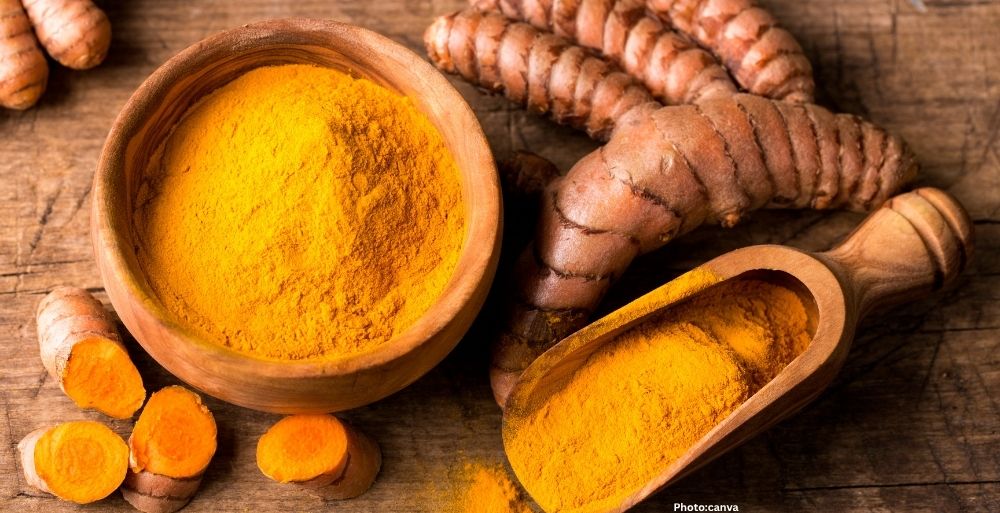
The Big Picture: While carrots historically dominate the conversation surrounding dietary vision support, emerging nutritional science points toward a common pantry staple: turmeric. The bright yellow spice owes its therapeutic potential to curcumin, a bioactive polyphenol celebrated for its potent anti-inflammatory and antioxidant profile. Dietitians reveal that while curcumin shows promise in shielding delicate ocular tissues from oxidative stress, its real-world efficacy hinges heavily on chemical pairing. Because curcumin suffers from notoriously low bioavailability, it must be strategically consumed alongside specific compounds—namely black pepper and dietary fats—to be effectively absorbed by the human body.
BALTIMORE — When it comes to preserving eyesight, standard dietary advice almost universally points toward beta-carotene-rich foods like carrots and sweet potatoes. However, a growing body of nutritional research suggests that a vibrant golden spice residing in most kitchen cabinets might play a significant, complementary role in maintaining long-term visual acuity.
Turmeric, a root stalk widely utilized in curries, soups, and wellness teas, is drawing intense interest from eye care specialists and dietitians alike. While long valued in traditional medicine, modern clinical reviews are unpacking how this spice interacts with ocular pathways, its systemic limitations, and the precise culinary chemistry required to unlock its potential.
The Cellular Shield: Why Curcumin Supports Ocular Health
The primary driver behind turmeric’s therapeutic potential is curcumin, a naturally occurring polyphenol compound that gives the spice its distinct, intense golden hue.
“Turmeric contains a compound called curcumin, which is responsible both for its vibrant color and potential health benefits,” explains Rachael Ajmera, M.S., RD.
From an ophthalmic perspective, the eye is an uniquely vulnerable organ. Ocular tissues are constantly exposed to environmental stressors, including ultraviolet (UV) radiation and high oxygen consumption, which accelerate the production of unstable molecules known as free radicals. Over time, this imbalance triggers oxidative stress, leading to cellular damage and chronic, low-grade inflammation within the retina and macula.
According to Ajmera, curcumin acts as a direct countermeasure to this degradation.
“Curcumin possesses antioxidant and anti-inflammatory properties that may help protect the eyes against oxidative stress, which can contribute to chronic inflammation and cell damage over time,” Ajmera notes. “These properties help neutralize free radicals and restore balance within delicate eye tissues.”
By down-regulating inflammatory cytokines and neutralizing unstable molecules, curcumin helps shield the complex vascular structures and photoreceptor cells required for clear sight. Preclinical laboratory and animal models have demonstrated that the compound shows measurable potential in mitigating the underlying mechanisms of several chronic eye conditions, including:
- Dry Eye Disease: By reducing inflammation on the ocular surface and improving tear film stability.
- Glaucoma: By potentially offering neuroprotective benefits to retinal ganglion cells under elevated intraocular pressure.
- Age-Related Macular Degeneration (AMD): By protecting retinal pigment epithelial cells from oxidative damage.
The Bioavailability Hurdle: Consistency vs. Customary Cooking
Despite these promising cellular mechanisms, experts urge consumers to maintain realistic expectations regarding standard culinary use. A casual, occasional sprinkle of turmeric onto a dinner plate provides excellent flavor but lacks the concentration required to elicit a systemic therapeutic effect.
Furthermore, medical researchers face a significant hurdle when studying the compound: poor bioavailability. Curcumin is inherently hydrophobic (water-insoluble) and undergoes rapid metabolism and clearance by the liver, meaning the human gastrointestinal tract struggles to absorb and utilize it effectively.
| Curcumin Profile | Clinical Reality |
| Primary Benefits | High antioxidant capacity; targeted anti-inflammatory action in eye tissues. |
| Primary Limitation | Low bioavailability; rapid metabolic elimination; poor water solubility. |
| Scientific Evidence | Highly effective in preclinical/animal models; large-scale human trials are ongoing. |
Because of these formulation challenges, successful scientific studies typically evaluate the effects of highly concentrated, standardized curcumin supplements taken consistently over long periods, rather than raw spice intake.
Unlocking the Compound: The Science of Pairing
To bypass curcumin’s absorption barriers, systemic transport must be altered through strategic food pairing. Nutritional scientists have identified two non-negotiable dietary components that drastically amplify curcumin absorption: piperine and lipids.
“Always have a combination of turmeric with black pepper to maximize absorption into the body,” advises Moushumi Mukherjee, M.S., RDN.
Black pepper contains an active alkaloid called piperine. Clinical trials have demonstrated that pairing piperine with curcumin can enhance the human body’s absorption rate by up to 2,000%. It achieves this by temporarily slowing down the liver enzymes responsible for breaking down curcumin, allowing the compound to enter the bloodstream intact.
Furthermore, because curcumin is fat-soluble, introducing a healthy lipid source enables it to dissolve properly within the digestive tract, facilitating smooth absorption through the intestinal wall.
Dietitians suggest four practical, bioavailable methods to incorporate turmeric into a daily wellness routine:
- The Golden Smoothie: Blend $\frac{1}{2}$ teaspoon of ground turmeric and a distinct pinch of black pepper with frozen mango, water, and $\frac{1}{2}$ cup of full-fat yogurt. The natural lipids in the yogurt serve as the fat vehicle required for absorption.
- Traditional Golden Milk: Gently simmer 1 cup of whole milk (or a fat-rich plant milk) on a stovetop for five minutes with 1 teaspoon of turmeric, a pinch of black pepper, and a small drizzle of honey.
- Lipid-Enhanced Roasting: Prior to baking high-carbohydrate vegetables like cauliflower, sweet potatoes, or carrots, toss them thoroughly in 1 tablespoon of extra virgin olive oil, 1 teaspoon of turmeric, black pepper, and a pinch of salt.
- Standardized Supplementation: For individuals seeking concentrated dosing, capsule or liquid supplements offer an efficient route. When selecting a product, consumers should look for formulas where curcumin is explicitly paired with black pepper extract (often listed as Bioperine).
Note: Always consult a primary care physician or ophthalmologist before starting a high-dose supplement regimen, as curcumin can interact with certain blood-thinning medications.
The Broader Picture: Foundation Habits for Sight Preservation
While maximizing anti-inflammatory spices offers a valuable line of secondary defense, lifestyle choices remain the true pillars of vision preservation.
“While research shows promising protective effects, turmeric should be viewed as a helpful dietary addition rather than a medical treatment for specific vision issues,” cautions Toby Amidor, M.S., RDN, CDN.
To systematically safeguard long-term vision, clinicians emphasize prioritizing a comprehensive, foundational eye care strategy:
- Strict Glycemic and Blood Pressure Management: Chronic conditions like diabetes directly compromise and damage the fragile microvasculature supplying the retina, leading to diabetic retinopathy.
- Cessation of Smoking: Tobacco smoke introduces systemic oxidative stress that exponentially increases an individual’s statistical risk for developing cataracts and advanced macular degeneration.
- Comprehensive UV Shielding: Consistently wearing sunglasses verified to offer 100% UV protection shields internal eye structures from radiation-induced cellular breakdown.
- Diverse, Micronutrient-Dense Nutrition: A diet rich in lutein, zeaxanthin, and omega-3 fatty acids—found abundantly in dark leafy greens, egg yolks, and wild-caught fatty fish—provides the literal building blocks of retinal health.
- Routine Dilated Eye Exams: Early clinical detection via regular checkups remains the single most effective tool to prevent irreversible vision loss, far outweighing the impact of any single dietary ingredient.



No Comment! Be the first one.