




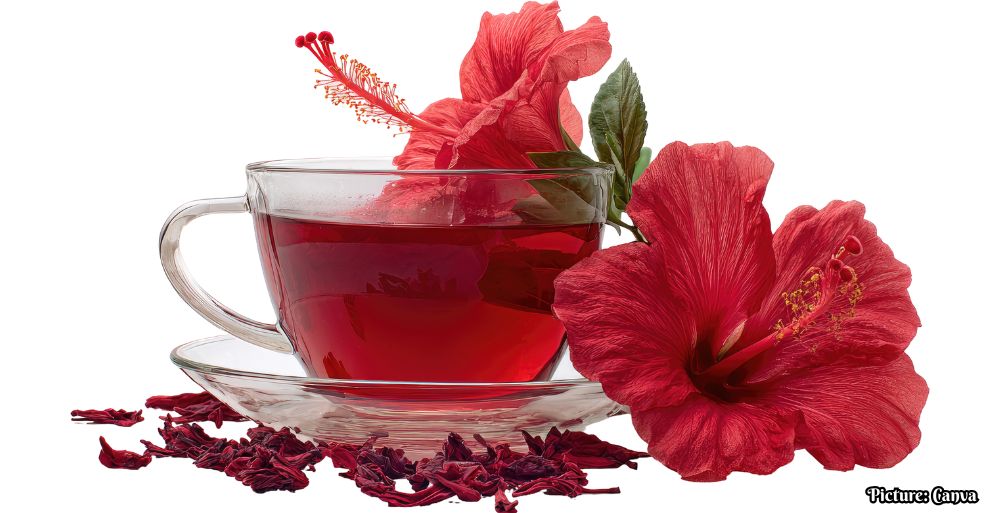
Experts suggest unsweetened hibiscus tea as a beneficial after-dinner drink for individuals managing high blood pressure, emphasizing the importance of hydration and heart-healthy habits.
In the ongoing effort to manage high blood pressure, a growing body of research highlights the potential benefits of dietary choices, particularly the consumption of certain beverages. Dietitians recommend unsweetened hibiscus tea as a supportive drink after dinner, citing its hydration properties and rich polyphenol content as factors that may contribute to better blood pressure management.
Understanding High Blood Pressure
High blood pressure, or hypertension, often develops insidiously and can lead to serious health complications if left unaddressed. According to the American Heart Association, nearly half of U.S. adults have hypertension, which is defined as having a systolic blood pressure of 130 mm Hg or higher, or a diastolic pressure of 80 mm Hg or higher. Managing hypertension is vital for reducing the risk of heart disease, stroke, and other related conditions.
The Role of Hibiscus Tea
Dietitians emphasize that while no single beverage can replace a heart-healthy diet or prescribed medications, hibiscus tea may serve as a beneficial addition to an evening routine for those with high blood pressure. Patricia Kolesa, M.S., RDN, notes that “long-term, increased fluid intake has been associated with lower blood pressure.” This relationship is attributed to the fluid’s ability to enhance blood volume, thereby relieving pressure on blood vessels.
Furthermore, the polyphenols found in hibiscus tea, particularly flavonoids, are believed to play a significant role in blood pressure regulation. Kolesa explains that these compounds help preserve nitric oxide, which signals blood vessels to relax, potentially improving blood flow and lowering blood pressure. Research supports this notion, indicating that higher polyphenol intake correlates with a reduced risk of developing hypertension.
Research Findings
Studies have shown that regular consumption of hibiscus tea can lead to significant reductions in systolic blood pressure, particularly among individuals with already elevated levels. While there is no universally recommended dosage, evidence suggests that drinking approximately three cups of hibiscus tea daily may result in meaningful reductions in blood pressure within about six weeks.
Despite these promising findings, it is important to note that research has not confirmed whether consuming hibiscus tea at night is more effective than at other times of the day. However, integrating it into an evening routine can be a simple way to enhance hydration and overall health.
Incorporating Hibiscus Tea into Your Routine
For those interested in adding hibiscus tea to their regimen, it is recommended to minimize added sugars, as excessive sugar intake is linked to increased systolic blood pressure. Kolesa advises selecting unsweetened options and using minimal sweeteners. The tea can be enjoyed hot by steeping dried hibiscus flowers or tea bags in hot water, or cold by brewing it overnight in the refrigerator. Some individuals may find it enjoyable to combine chilled hibiscus tea with sparkling water for a refreshing, alcohol-free nightcap.
Broader Strategies for Blood Pressure Management
While hibiscus tea can be a beneficial part of a blood pressure management strategy, it is not the only component. Experts recommend several additional lifestyle modifications, including:
- Limiting Alcohol: Reducing alcohol consumption can have a positive impact on blood pressure. The American Heart Association suggests that men limit their intake to two drinks per day and women to one.
- Regular Exercise: Engaging in at least 150 minutes of moderate-intensity aerobic exercise weekly, combined with strength training, can strengthen the heart and improve blood vessel function.
- Reducing Sodium Intake: A dietary sodium limit of less than 2,300 milligrams per day is advised, with a gradual shift toward a target of 1,500 milligrams for enhanced benefits.
- Increasing Fiber Consumption: A diet rich in fiber, which supports gut health, may aid in regulating blood vessel function. The recommended daily intake is 28 grams for women and 38 grams for men.
Expert Insights
While hibiscus tea may offer supportive benefits, Michelle Routhenstein, M.S., RD, CDCES, CDN, cautions that it should not be relied upon as a standalone solution for lowering blood pressure. “Hibiscus tea alone isn’t likely to meaningfully lower blood pressure,” she emphasizes, recommending that individuals focus on establishing a comprehensive approach that includes heart-healthy eating, regular physical activity, and appropriate medical guidance.
In conclusion, the incorporation of hibiscus tea into an evening routine, alongside other healthy lifestyle choices, can contribute to the ongoing management of high blood pressure. As research continues to evolve, individuals are encouraged to consult healthcare professionals for personalized advice tailored to their unique health needs.




No Comment! Be the first one.