





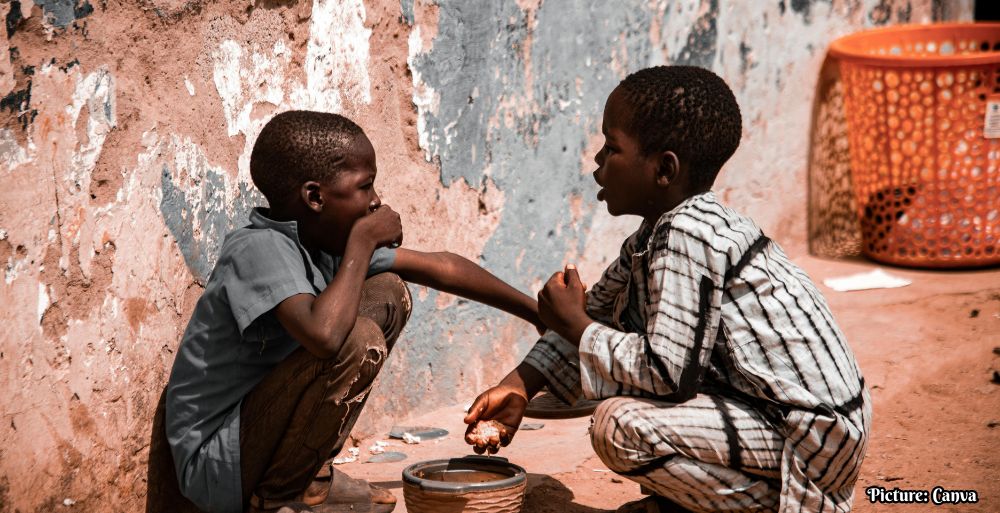
Forecasts indicate that the El Niño weather system could push an additional 50 million people into acute hunger by the end of next year, exacerbating an already dire global food crisis.
As the El Niño weather phenomenon intensifies, projections suggest that approximately 50 million additional individuals may fall into acute hunger by the end of 2024. This alarming forecast, released by the United Nations’ World Food Programme (WFP), underscores the growing crisis in global food security, which is already affecting hundreds of millions of people worldwide due to prolonged drought conditions and escalating food prices linked to geopolitical conflicts.
Current Food Insecurity Landscape
The WFP’s report highlights that the El Niño event, which brings significant alterations in rainfall patterns globally, could exacerbate the situation for at least 225 million individuals in 45 countries who are already classified as experiencing acute food insecurity. The anticipated impact of this weather system is particularly pronounced in Central and South America, the Caribbean, and southern Africa, where agricultural productivity is expected to be severely hampered.
According to the WFP, the looming crisis is compounded by existing vulnerabilities stemming from years of drought in parts of Africa and pressure on food prices from geopolitical tensions, such as the ongoing conflict in the Middle East. The combination of these factors creates a precarious situation for millions who rely on stable food supplies for their livelihoods.
Historical Context of El Niño
This year’s El Niño is projected to be one of the strongest in 70 years, with some experts informally referring to it as a “super El Niño.” This term, while not officially recognized, reflects the potential severity of the current event compared to previous occurrences. Historically, strong El Niño events have led to widespread disruptions in weather patterns, resulting in adverse effects on agriculture and food supply chains.
During the 2015-2016 El Niño, estimates suggested that between 60 million and 100 million people experienced acute food insecurity. The challenges posed by that event highlighted the vulnerability of global food systems and the need for more proactive measures to mitigate the effects of extreme weather. The WFP’s current efforts to address the impacts of this El Niño are bolstered by improved anticipatory actions, which were not in place during the earlier event. Richard Choularton, the WFP’s director of the climate and resilience service, indicated that the worst impacts in southern Africa are expected to manifest during the lean season following the harvest, particularly in 2027 to 2028.
Current and Projected Impacts
As the El Niño progresses, specific regions are facing varying levels of risk. In southern Africa, the main growing season extends from October 2023 to March 2024. However, the ramifications of the expected weather patterns may not be felt until months later, when food supplies begin to dwindle. “Farmers may take more than one season to exhaust their food supplies,” Choularton stated, emphasizing the delayed nature of the crisis.
Despite the foreboding outlook, there is a glimmer of hope stemming from the previous year’s agricultural yields, which were notably favorable. Jean-Martin Bauer, the WFP’s director of food security, indicated that the end of 2025 saw food prices stabilizing, although ongoing tensions from the conflict in the Middle East have introduced new pressures on global food costs. The interplay of these factors illustrates the complex dynamics that influence food security.
Challenges Ahead
The WFP has earmarked at least $80 million for early warning systems and anticipatory relief efforts aimed at mitigating the impacts of the El Niño phenomenon. However, Choularton has noted that efforts have been impeded by insufficient data collection, primarily due to funding shortages. This limitation raises concerns about the WFP’s capacity to respond effectively to the crises as they unfold, especially in regions where data collection is vital for timely interventions.
Experts have warned that the ramifications of the El Niño are not confined to the 45 countries covered by the WFP’s analysis. The potential for increased food prices could ripple through global markets, impacting food access for millions beyond the most vulnerable regions. Bauer emphasized that the decisions made by major food-exporting countries will be critical in shaping the global food landscape. “It’s very important to avoid a situation where large countries stop food exports,” he remarked, warning that disruptions at the regional level could lead to significant food access challenges.
Global Response and Future Considerations
The urgency of the situation calls for a coordinated global response to address the impending food crisis. As the world grapples with the implications of climate change and extreme weather events, governments, humanitarian organizations, and the private sector must work collaboratively to enhance food security measures. This includes investing in agricultural resilience, improving data collection methodologies, and developing comprehensive strategies to address the multifaceted challenges posed by phenomena such as El Niño.
As the world braces for the unfolding effects of the El Niño weather system, the intersection of climate change, agricultural productivity, and global food security remains a pressing concern. With millions already facing acute hunger, the anticipated increase in food insecurity poses a significant challenge for governments, humanitarian organizations, and communities worldwide. The urgent need for effective strategies to mitigate the impact of extreme weather events has never been more critical.





No Comment! Be the first one.