



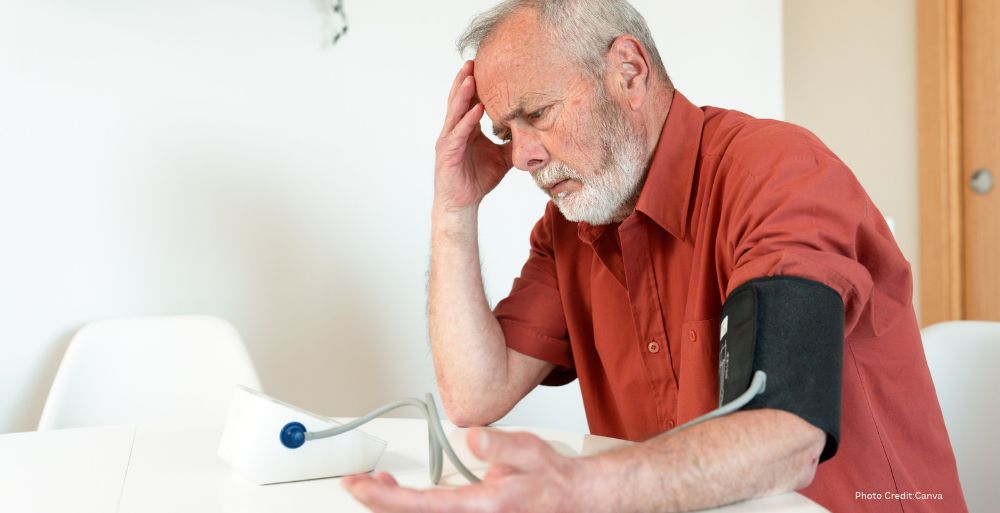
High blood pressure, or hypertension, affects millions worldwide and is linked to serious health conditions. Understanding its causes, measurement, and management is crucial for prevention and treatment.
High blood pressure, commonly referred to as hypertension, is a prevalent health issue that can lead to severe complications if left unmanaged. While the exact causes of high blood pressure in many individuals remain unclear, factors such as inactivity, poor diet, obesity, advanced age, and genetic predisposition are known contributors to its development.
Blood pressure readings are measured in millimeters of mercury (mmHg) and are expressed as systolic pressure over diastolic pressure. For instance, a reading of 120/80 mmHg indicates a systolic pressure of 120 and a diastolic pressure of 80. The Joint National Committee on Prevention, Detection, Evaluation, and Treatment of High Blood Pressure categorizes these measurements as follows:
Blood Pressure Categories
1. Normal blood pressure: Systolic pressure less than 120 and diastolic pressure less than 80.
2. Elevated: Systolic pressure of 120-129 and diastolic pressure less than 80.
3. Stage 1 hypertension: Systolic pressure of 130-139 or diastolic pressure of 80-89.
4. Stage 2 hypertension: Systolic pressure of 140 or greater or diastolic pressure of 90 or greater.
Hypertension is linked to several serious health conditions, including:
- Atherosclerosis: A disease characterized by plaque buildup within artery walls, which is exacerbated by hypertension.
- Heart Failure: A condition where the heart is unable to pump blood effectively.
- Kidney Disease: High blood pressure can damage kidney blood vessels, impairing their ability to filter waste.
- Stroke: Hypertension increases the risk of stroke through mechanisms like atherosclerosis and blood vessel rupture.
- Eye Disease: Damage to small blood vessels in the retina can occur due to high blood pressure.
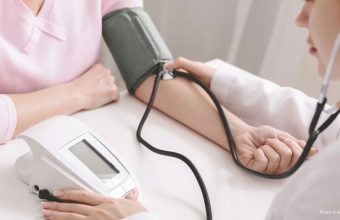
Often, high blood pressure does not present any symptoms, which is why it is frequently diagnosed during routine checkups. Individuals with a family history of hypertension or other risk factors should be vigilant about monitoring their blood pressure. Diagnosis typically involves measuring blood pressure with a cuff, emphasizing the importance of both systolic and diastolic readings.
Symptoms of Hypertension
If blood pressure reaches extreme levels, individuals may experience symptoms such as severe headaches, chest pain, difficulty breathing, or reduced exercise tolerance. In such cases, immediate medical evaluation is recommended.
Lifestyle Changes for Management
Preventive measures and lifestyle modifications play a critical role in managing blood pressure. Healthcare professionals often recommend these changes prior to considering medication, especially for patients with elevated blood pressure readings. Key lifestyle interventions include:
- Smoking cessation: Quitting smoking significantly improves overall health.
- Weight management: Achieving and maintaining a healthy weight can lower blood pressure levels.
- Healthy diet: Following a diet rich in fruits, vegetables, lean proteins, and whole grains while minimizing salt and unhealthy fats is vital. The DASH diet (Dietary Approaches to Stop Hypertension) is specifically designed for this purpose.
- Regular exercise: Engaging in aerobic activities, such as brisk walking, for most days of the week can contribute to blood pressure reduction.
- Alcohol moderation: Limiting alcohol intake to one drink per day for women and two for men is advised.
- Stress reduction: Managing stress through relaxation techniques like meditation or yoga can have a positive impact on blood pressure.
Women, in particular, should consult their healthcare providers regarding the increased risk of hypertension associated with birth control pills, especially if they are over 35 and overweight.
Medical Treatment Options
When lifestyle changes are insufficient to control blood pressure, healthcare providers may prescribe medication. It is essential to note that while these medications do not cure hypertension, they help maintain blood pressure within a healthier range. Common classes of blood pressure medications include:
- Diuretics: Help eliminate excess salt and fluids from the body.
- Beta-blockers: Reduce heart rate and force of contraction, particularly beneficial for those with heart disease.
- Calcium-channel blockers: Relax blood vessels, lowering blood pressure.
- ACE inhibitors: Prevent blood vessel constriction, reducing blood pressure and lowering the risk of kidney disease, heart disease, and stroke.
- Angiotensin II receptor blockers (ARBs): Function similarly to ACE inhibitors.
- Alpha1-adrenergic blockers and centrally acting agents: Relax and dilate arteries, leading to lower blood pressure.
- Vasodilators: Directly prevent arteries from narrowing.
While effective, blood pressure medications can have side effects, including dizziness, fatigue, and gastrointestinal issues, among others. Common side effects associated with different classes of medications include:
- Diuretics: Headache, weakness, low potassium levels.
- ACE inhibitors: Persistent cough, headache, diarrhea.
- Calcium-channel blockers: Dizziness, ankle swelling, constipation.
- Beta-blockers: Drowsiness, decreased sexual ability, low heart rate.
Ongoing Monitoring and Consultation
For individuals diagnosed with high blood pressure, regular consultations with healthcare providers are critical to monitor progress and adjust treatment as necessary. Patients should promptly discuss any side effects experienced from medications or lack of response to prescribed treatments with their doctors. Additionally, certain medications for other health conditions, including corticosteroids and some cold medications, may elevate blood pressure.
Ultimately, managing high blood pressure requires a combination of lifestyle changes, regular monitoring, and, when necessary, medical intervention to prevent serious health complications.



No Comment! Be the first one.