





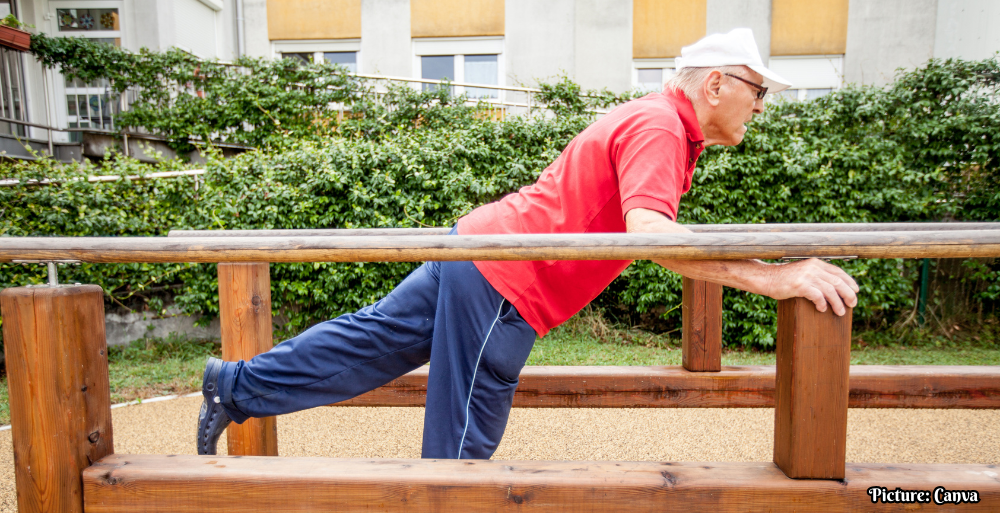
As falls remain a leading cause of injury among adults aged 65 and older, incorporating balance exercises into daily routines is essential for promoting strength and stability.
In the United States, falls are reported as the primary cause of injury and injury-related death for adults aged 65 and older. Each year, more than 14 million older adults—over one in four—experience a fall, highlighting the urgent need for effective prevention strategies. Although not every fall results in injury, the physical, emotional, and financial burdens can be substantial, often leading to mobility challenges. Fortunately, many falls are preventable, and one of the most effective ways to mitigate this risk involves improving balance and strength through targeted exercises.
“Life happens one leg at a time,” states Mike Wehrhahn, PT, D.P.T. He emphasizes that activities such as walking, climbing stairs, and reacting to loss of balance require individuals to control their body weight on one leg. Wehrhahn notes that maintaining strength is crucial as we age; however, fall prevention encompasses more than just muscular strength. It also involves the ability to shift weight, control movement on one leg, and adapt to changes in stability. “The more confidently someone can move, the better equipped they are to handle the unexpected,” he adds.
Understanding the Impact of Falls
According to the Centers for Disease Control and Prevention (CDC), falls are a significant public health issue that disproportionately affects older adults. The consequences of falls can range from minor injuries to severe complications, including fractures and head trauma, which may lead to long-term disability. Additionally, the emotional impact can lead to a decreased quality of life, with many individuals fearing subsequent falls. This can result in reduced physical activity, creating a troubling cycle of decline.
Four Effective Balance Exercises
Physical therapists recommend several exercises that can enhance balance and strength, which are critical for preventing falls. Here are four key exercises that can be easily integrated into a daily routine:
1. Sit-to-Stands
Practicing sit-to-stands can significantly improve an individual’s ability to rise from a seated position, which is crucial for daily activities. “To stay upright, we must have good strength in our trunk and leg extensor muscles,” explains Dana Tress, PT. This movement not only strengthens essential muscle groups but also enhances functional strength as individuals age.
How to Perform: Position a chair against a sturdy surface. Sit toward the front with feet hip-width apart. Lean slightly forward and push through your heels to stand, then lower yourself back down with control. Aim for 8 to 12 repetitions.
Modifications: Use armrests for support if needed, or challenge yourself by reducing arm assistance or increasing the lowering phase duration.
2. Side-Steps
Side-stepping is crucial for developing lateral movement skills essential for maintaining balance. “Many falls occur when individuals are moving sideways, yet many are untrained in this type of movement,” notes Corey Podbielski, PT, D.P.T. Research indicates that adding side-stepping exercises can improve balance and mobility among older adults.
How to Perform: Stand facing a stable support and take controlled sideways steps. Ensure your knees are slightly bent, and maintain an upright posture. Repeat for 2 to 3 sets.
Modifications: For easier execution, use both hands for support or take smaller steps. For a challenge, decrease hand support or use a resistance band.
3. Single-Leg Deadlift with Support
This exercise enhances balance and strength by engaging muscles independently. “Single-leg deadlifts train balance as part of movement, which is closer to real-life scenarios,” Wehrhahn explains.
How to Perform: Stand near a sturdy surface for support. Shift your weight onto one leg, hinge forward from your hips while extending your free leg behind you, then return to the starting position with control. Aim for 8 to 12 repetitions for each leg.
Modifications: Use support for balance and adjust the range of motion according to your ability.
4. Step-Ups
Step-ups simulate the action of climbing stairs, which is often challenging for older adults. “Step-ups train balance and strength in a way that directly translates to everyday life,” Wehrhahn states.
How to Perform: Stand facing a stable step. Step up with one foot, pushing through the foot on the step, and then lower yourself back down. Repeat for 8 to 10 repetitions before switching sides.
Modifications: Begin with a low step and use a railing for support; increase height or reduce hand support as strength improves.
Promoting Healthy Aging
Incorporating these balance exercises into daily routines is essential for older adults aiming to reduce their risk of falls. Physical therapists advocate for consistent practice of movements that reflect daily activities to build strength, stability, and confidence. “Simple movements such as these exercises can be a great way to start,” Tress advises. Consulting with a physical therapist can help tailor an exercise program to individual needs, ensuring optimal safety and effectiveness.




No Comment! Be the first one.