





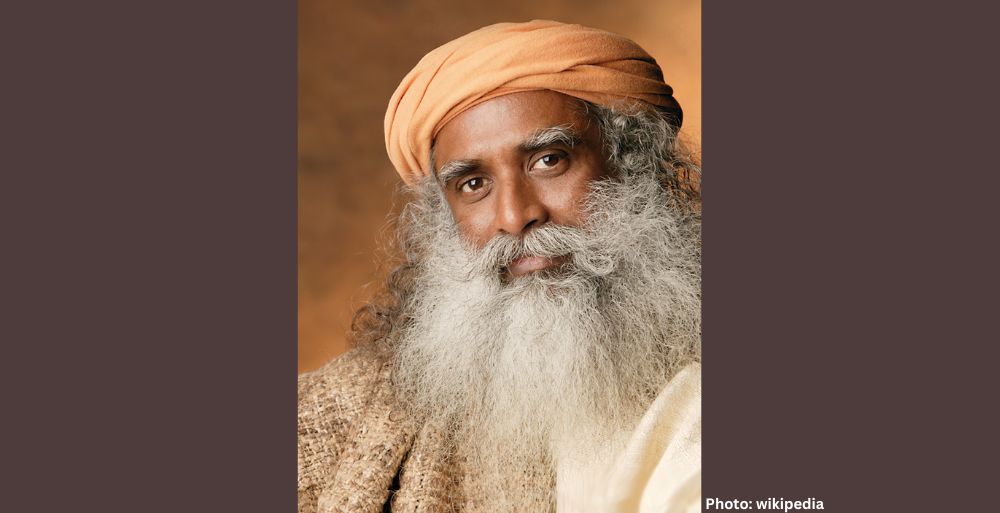
The autumn equinox, scheduled for September 22, 2026, serves as a significant moment for personal reflection and spiritual balance, as articulated by Sadhguru, founder of the Isha Foundation.
The autumn equinox in the United States will occur on September 22, 2026, at 8:05 p.m. EDT, marking the official beginning of astronomical fall in the Northern Hemisphere. The event will happen simultaneously at 7:05 p.m. CDT, 6:05 p.m. MDT, and 5:05 p.m. PDT. This equinox is traditionally recognized as a time when day and night are approximately equal in length, but for many, particularly those engaged in yogic traditions, it represents a profound opportunity for introspection and spiritual alignment.
Understanding the Spiritual Significance of the Equinox
Sadhguru, a prominent spiritual leader and author, describes the equinox as a pivotal moment of balance between masculine and feminine energies. It is crucial to understand that Sadhguru’s usage of these terms extends beyond gender, embodying different qualities or polarities present in existence. This perspective encourages individuals to reflect on their lives, examining areas where they feel in harmony or, conversely, where they experience tension.
According to Sadhguru, the equinox symbolizes a unique opportunity for personal reflection. He emphasizes that this transitional period should be utilized to enhance self-awareness, allowing individuals to move beyond physical distractions and cultivate a deeper understanding of their internal experiences. Such an approach aligns with historical and philosophical views that prioritize balance and harmony, especially during seasonal changes.
Encouraging Personal Reflection and Introspection
For many followers of Sadhguru’s teachings, the autumn equinox invites a pause for introspection rather than a quest for dramatic spiritual experiences. Sadhguru encourages individuals to take a few moments on the equinox to sit quietly, acknowledge their thoughts without immediate reactions, and contemplate essential personal questions. These reflective inquiries might include: What areas of my life require more balance? What burdens am I prepared to release this fall? Where can I practice patience before responding to challenges?
Such reflective practices resonate with the principles of mindfulness, urging individuals to become more conscious of their thoughts, actions, and emotional responses. This gentle approach to self-examination can be particularly beneficial in today’s fast-paced world, where individuals often find themselves overwhelmed by external pressures.
The Importance of the Post-Equinox Period
Following the autumnal equinox, Sadhguru notes a heightened emphasis on the feminine aspect of existence within yogic traditions. The Isha Foundation describes this time as one characterized by greater receptivity and introspection. This symbolic interpretation suggests an invitation to slow down, listen more carefully, and become more attuned to one’s internal states instead of relentlessly pursuing external achievements.
This notion is consistent with broader philosophical perspectives that advocate for mindfulness and self-reflection during periods of seasonal transition. The equinox, therefore, serves not only as a temporal marker but as a vital reminder to integrate reflective practices into daily life, promoting a harmonious balance between action and contemplation.
Practical Reflections for the Autumn Equinox
Engaging in simple yet intentional reflection on the equinox can facilitate personal growth. Sadhguru recommends that individuals create a serene environment on the evening of September 22 and consider three essential questions: What needs more balance in my life? What am I ready to let go of this fall? Where can I pause before I react? By addressing these inquiries, individuals can leverage the equinox as an opportunity for meaningful introspection rather than a moment of drastic change. This approach fosters greater consciousness regarding how one lives, thinks, and responds to everyday challenges.
Historical Context of the Equinox
The autumn equinox, occurring twice a year globally, has been celebrated across various cultures throughout history. Ancient civilizations, such as the Egyptians and the Mayans, observed the equinox as a critical time for agricultural cycles, marking the transition from summer’s bounty to the introspective months of fall and winter. The celebration of harvest festivals during this season reflects humanity’s longstanding acknowledgment of the natural world’s rhythms and the need for balance.
In modern times, the equinox continues to be recognized not only for its astronomical significance but also for its potential as a time for personal reflection and growth. Different spiritual practices and traditions around the world emphasize the importance of this period, underscoring its relevance in contemporary life.
Conclusion: Embracing the Equinox as a Catalyst for Growth
The autumn equinox signifies more than just a seasonal transition; it presents a profound opportunity for personal growth and spiritual development. By recognizing the equinox’s potential for balance and reflection, individuals can enhance their self-awareness and cultivate a deeper understanding of their inner lives. As the date approaches, Sadhguru’s teachings invite us to utilize this time constructively, fostering a deeper connection with ourselves and approaching the seasonal shift with mindfulness and intention. This period of reflection may not lead to immediate transformations but can serve as a foundation for gradual personal development and greater harmony in life.


No Comment! Be the first one.