




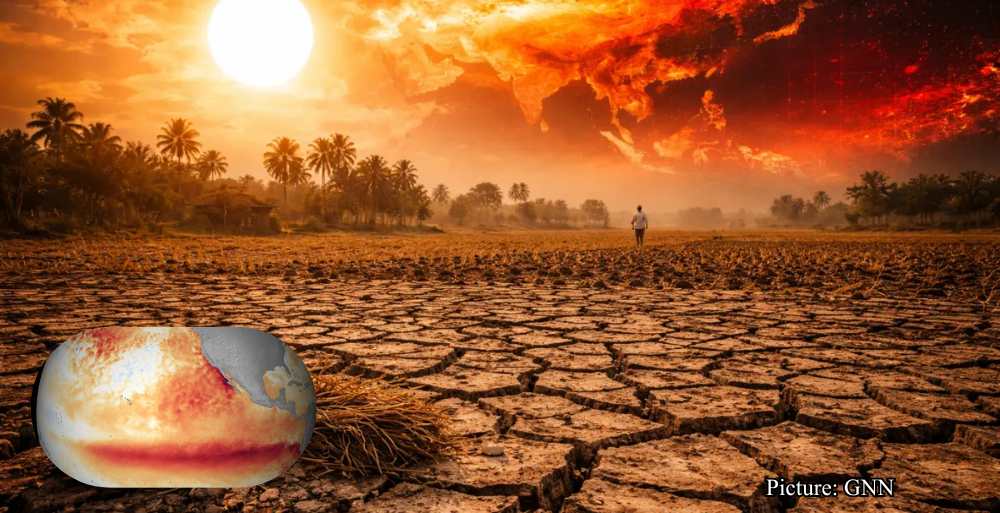
The month of August 2023 has been confirmed as the hottest August on record globally, influenced significantly by El Niño conditions, with far-reaching effects on weather patterns and climate variability.
According to reports from the European Union’s Copernicus Climate Service, the United States National Oceanic and Atmospheric Administration (NOAA), and NASA, August 2023 has officially been declared the hottest August ever recorded. This unprecedented temperature spike has been attributed primarily to the ongoing El Niño phenomenon, which has intensified extreme weather conditions across various regions of the globe.
Historical Context of Temperature Records
The global average surface air temperature for August 2023 was approximately 1.65°C higher than the estimated pre-industrial baseline, marking it the warmest August since systematic records began in 1850. This figure is notably 1.32°C above the 20th-century average. The current heatwave follows a troubling trend; all ten of the hottest Augusts on record have occurred since 2016, underscoring a concerning trajectory in global climate change. The implications of these rising temperatures extend far beyond mere discomfort, impacting ecosystems, agriculture, and human health worldwide.
El Niño’s Role in Climate Variability
The World Meteorological Organization (WMO) has emphasized the critical role of the El Niño phenomenon in driving the extreme temperatures observed in August. This climate pattern is characterized by the periodic warming of sea surface temperatures in the central and eastern tropical Pacific Ocean, which has profound effects on weather patterns globally. The WMO reported that the month saw a total of 19 tropical storms, with El Niño influencing both the intensity and frequency of these events.
While some regions experienced heavy rainfall and subsequent flooding, others faced severe drought conditions exacerbated by this climatic event. Western Europe, in particular, was hit hard by heatwaves that began in May and persisted through August. Countries such as France, Hungary, Romania, Serbia, and the United Kingdom reported extreme drought conditions, resulting in significant agricultural challenges and water shortages. Major European rivers, including the Rhine, Danube, Southern Bug, and Dnieper, experienced exceptionally low water levels, illustrating the dire consequences of the heatwave.
Widespread Impact on Weather Patterns
The implications of August’s record temperatures extend beyond immediate weather anomalies. The WMO noted that the northern hemisphere experienced its warmest summer, while the southern hemisphere recorded near-record warm winter conditions. The Arctic and Antarctic regions reported below-average sea ice coverage during August, signaling alarming trends associated with climate change. The loss of sea ice not only affects local ecosystems but also contributes to rising sea levels and altered ocean circulation patterns, which can have cascading effects on global weather systems.
Future Projections and Climate Concerns
As El Niño conditions are expected to strengthen in the coming months, forecasts suggest significant impacts on global rainfall and temperature patterns extending into 2027. The WMO described the current El Niño as “firmly established,” predicting that it will develop into a very strong event, which could lead to further extremes in weather and climate variability. This includes potential increases in seasonal wildfires, particularly in regions like Indonesia, which are already experiencing intensified dry conditions due to the influence of El Niño.
In light of these developments, the urgency for global leaders and policymakers to address climate change has never been more pronounced. The increasing frequency and intensity of extreme weather events raise critical questions about the future of global climate. Experts warn that without concerted international efforts to mitigate greenhouse gas emissions and adapt to changing conditions, the impacts of climate change will only worsen.
Monitoring and Reporting on Climate Trends
Organizations around the globe, including the WMO, NOAA, and NASA, collaborate to monitor and report on climate trends, utilizing extensive datasets to inform their analyses. The WMO employs datasets from various sources, including the Copernicus Climate Change Service, to compile its State of the Global Climate reports. These reports serve as vital resources for understanding long-term climate trends and informing policy decisions.
The WMO is scheduled to present an update on this year’s climate at the upcoming UN climate conference, COP31, set to take place in Antalya, Turkey, in November. This gathering will provide a platform for nations to discuss strategies for combating climate change and adapting to its inevitable impacts.
As the world continues to grapple with the ramifications of climate change, the importance of robust climate monitoring and transparent reporting remains paramount. By understanding the current trends and projections, societies can better equip themselves to face the challenges that lie ahead.



No Comment! Be the first one.