





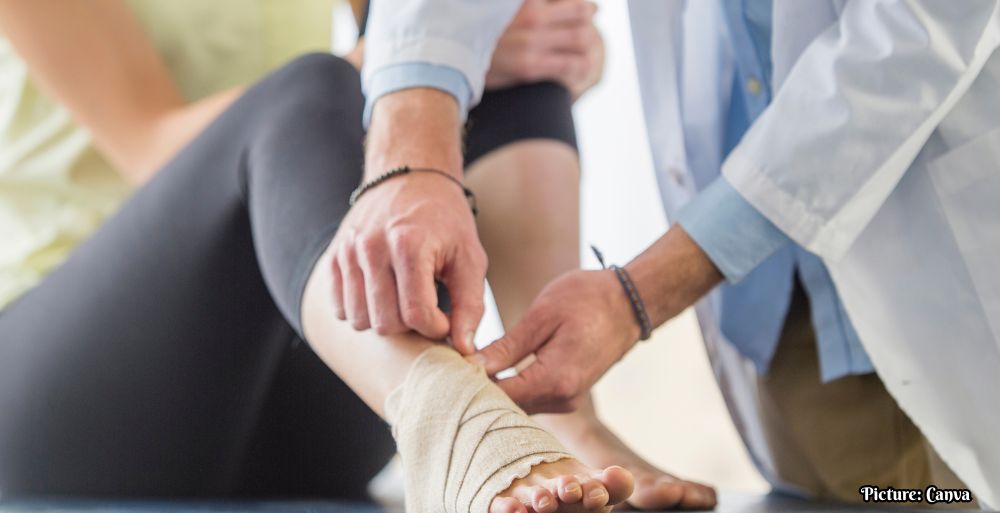
Research highlights that anatomical differences and training habits contribute to women’s increased susceptibility to sports injuries, particularly in the hip and knee regions.
The growing participation of women in sports and physical activities has brought to light significant concerns regarding their susceptibility to injuries. A closer examination reveals that both anatomical differences and behavioral factors contribute to this heightened risk, particularly in the hip and knee areas. Understanding these factors is crucial for developing effective injury prevention strategies and promoting overall health in female athletes.
Kelly Yalfani, a 44-year-old fitness instructor who teaches both Pilates and aqua classes, has been actively involved in fitness, conducting an average of 20 classes each week. Recently, she experienced hip pain after pushing herself during a treadmill workout. “I did a turkey trot for Thanksgiving last year. But it was 13 degrees, so I did it on a treadmill. Yes. And I pushed myself a little more than I should have and started feeling hip pain,” Yalfani recounted, illustrating the physical challenges that can accompany rigorous fitness routines.
Anatomical Influences on Injury Risk
Dr. Jasmine Toor, a fellowship-trained, board-certified physician specializing in primary care sports medicine, has noted the specific injuries that commonly affect women, particularly those involving the hip and knee. According to Dr. Toor, anatomical differences play a significant role in this increased vulnerability. “Anatomy [is] something that we can’t really change. Women have wider hips that put different angles and stresses on the knees. So, there’s definitely a risk of ACL injuries because of what we call the Q angle,” she explained. The Q angle refers to the alignment of the knee in relation to the hip, which tends to be wider in women.
Furthermore, Dr. Toor emphasized that women are often more quad-dominant, possessing stronger quadriceps in comparison to their hamstrings. This anatomical predisposition can lead to a higher risk of knee injuries. “A higher quad-to-hamstring ratio does put more stress on jumping and landing, which can increase the risk of knee injuries like ACL tears,” she noted. These insights underline the necessity for tailored training and rehabilitation programs that take into account these physiological differences.
The Psychological Impact of Injury
Yalfani’s experience highlights not only the physical implications of sports injuries but also their psychological impact. She stated, “When you’re an active person, you take good care of yourself. You feel pretty good most of the time. You might be sore from a workout, but you don’t realize you know, it’s mental health, too. It really affects your mental health. And it was really hard.” This observation emphasizes how physical injuries can extend beyond the body, affecting mental well-being, especially for individuals who find joy and fulfillment in physical activity.
Treatment and Prevention Strategies
To address her injury, Dr. Toor initially recommended rest, a challenging directive for someone with Yalfani’s active lifestyle. Following this, Yalfani underwent physical therapy and received a cortisone injection to manage her pain. She acknowledged the importance of modifying her routines to support her recovery. “When you’re teaching Pilates, you don’t do all the movement. But [with] aqua, you do a little bit more. And so, observing other instructors and figuring out how you teach it but not do all the movement,” she explained, showcasing her proactive approach to injury management.
Dr. Toor also stressed the significance of strength training, particularly as women age. She stated, “Strength training is the number one thing to reduce stress on joints. Shock absorbing helps support our joints, especially since women are also a little more hypermobile than men, too.” This highlights the critical role strength training plays in mitigating injury risks and promoting joint health among women.
The Broader Implications for Women in Sports
The conversation surrounding women’s participation in sports is evolving, with a growing recognition of the unique risks they face. The insights provided by experts like Dr. Toor, along with personal experiences from athletes like Yalfani, underscore the necessity of understanding both biological and behavioral factors that contribute to injury susceptibility. By doing so, stakeholders can foster more effective training and rehabilitation programs that prioritize women’s health and safety.
As more women engage in sports and fitness activities, it becomes imperative to develop comprehensive strategies that address these vulnerabilities. This includes not only tailored physical training programs but also mental health support for individuals recovering from injuries. The integration of both physical and psychological recovery strategies can help ensure that women continue to thrive in their athletic pursuits.
In conclusion, addressing the factors that contribute to sports injuries in women is essential to promoting safer athletic environments and encouraging increased participation in sports. By understanding the interplay between anatomy, training practices, and mental health, the sports community can better support female athletes in their pursuit of health, fitness, and competitive excellence.






No Comment! Be the first one.