





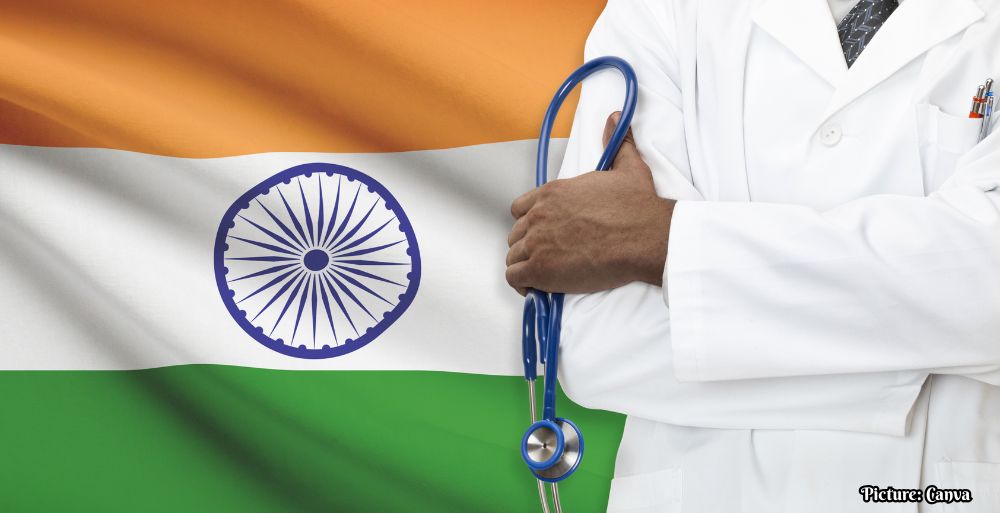
A proposed amendment by the National Medical Commission aims to establish a single registration system for medical practitioners in India, simplifying the licensing process across states.
The National Medical Commission (NMC) of India has put forward a significant proposal that could reshape the licensing framework for medical practitioners across the country. On August 11, 2026, the NMC released a draft of the Registration of Medical Practitioners and Licence to Practice Medicine (Amendment) Regulations, 2026, which seeks to amend the existing regulations governing doctor registration and licensing that were established in 2023. The NMC has opened a 30-day window for public objections and suggestions regarding this draft.
Proposed Unified Registration System
The crux of the proposal is the introduction of a registration system that would allow a medical practitioner, once registered with a State Medical Council and assigned a Unique Identification (UID) number in the National Medical Register, to practice medicine throughout India without the need for additional registration or a separate license in different states. This initiative aims to streamline the process and enhance the mobility of healthcare professionals across various regions.
Under the new system, the registration and licensing process would be centralized through a unified registration portal managed by the NMC’s Ethics and Medical Registration Board. Although the State Medical Councils would continue to assess applications and grant the necessary registration and licenses, these approvals would be simultaneously updated in both the State Medical Register and the National Medical Register.
Details of the Unique Identification Number
The UID assigned to each medical practitioner would incorporate the respective State or Union Territory code along with the practitioner’s State Medical Register number, as outlined by the NMC. This would create a cohesive identification system that simplifies the verification of a doctor’s credentials and licensing status across different jurisdictions.
The draft regulations also propose an automatic electronic synchronization between the national and state registers, ensuring that any changes made to one register are immediately reflected in the other. The National Medical Register is intended to serve as a comprehensive repository not only of registration details but also of any disciplinary actions, such as suspensions or removals, that may affect a practitioner’s ability to practice.
Regulatory Framework and Disciplinary Actions
Despite the proposed national framework, the draft maintains that disciplinary authority primarily rests with the State Medical Council where the alleged misconduct occurred. These councils would retain the ability to investigate and resolve issues of professional misconduct, unethical behavior, or medical negligence. Any disciplinary decisions made by a State Medical Council would be entered into the online register, which would be accessible nationwide.
In instances where disciplinary actions are recommended by a State Council different from the doctor’s primary registering council, such actions would also be reflected in the National Medical Register and updated in the respective State register.
The proposal introduces an appeal mechanism for practitioners whose applications for registration, licensing, or renewals are denied by a State Medical Council. Applicants would have the right to appeal to the Ethics and Medical Registration Board within 30 days of the denial, which would be required to make a decision within the same timeframe. If the Board rules in favor of the applicant, its decision would be binding on the State Council.
Provisions for Foreign Medical Graduates
Furthermore, the draft regulation revises provisions applicable to foreign medical graduates. The definition of foreign medical graduates would now include Indian citizens and Overseas Citizens of India who acquire a foreign medical qualification in allopathic medicine, provided they do not hold an undergraduate medical degree from an Indian institution. Those foreign medical graduates who meet specified conditions would still be eligible for provisional registration for internship and registration in the National Medical Register.
Additionally, the proposal suggests extending temporary registration for foreign nationals pursuing postgraduate or super-specialty courses from a maximum of 12 months to the duration of their courses, capped at 24 months, preceded by a one-year cooling-off period.
Impact on Existing Practitioners
Existing medical practitioners who currently lack a UID in the National Medical Register would be required to update their information on the Ethics and Medical Registration Board portal within a timeframe specified by the Board, ensuring they obtain a UID as a one-time requirement. Importantly, no fees will be charged for this process.
It is crucial to note that the draft notification is still pending implementation and has not yet come into force. The NMC’s initiative represents a significant shift towards modernizing the regulatory framework governing medical practice in India, potentially improving healthcare delivery and professional mobility for doctors nationwide.





No Comment! Be the first one.