





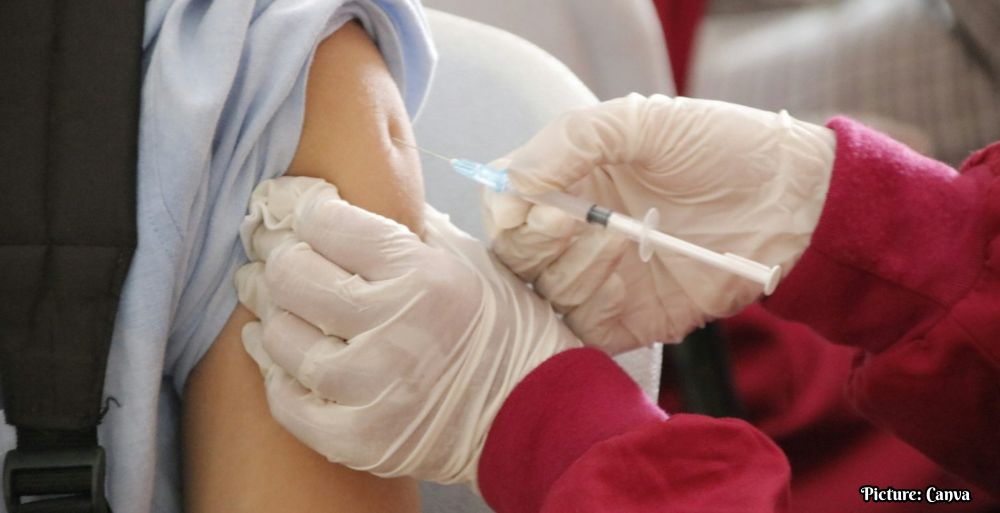
Moderna and Merck have reported significant progress in the development of cancer vaccines, potentially marking a pivotal shift in cancer treatment. This breakthrough could lead to innovative therapies that harness the body’s immune system to combat various cancers.
In a significant announcement made on October 23, 2023, Moderna and Merck revealed advancements in their collaborative efforts to develop personalized cancer vaccines. This partnership seeks to leverage cutting-edge mRNA technology and Merck’s extensive expertise in oncology to create more effective treatment options for patients battling various forms of cancer.
The announcement comes at a time when cancer remains one of the leading causes of death worldwide, with the World Health Organization estimating that there were approximately 10 million cancer-related deaths globally in 2020. As such, the urgency for innovative treatment solutions is paramount.
Details of the Collaboration
Moderna, known for its groundbreaking mRNA COVID-19 vaccine, is applying its technology to cancer treatment. The companies are focusing on a type of immunotherapy that utilizes the body’s own immune response to target and destroy cancer cells. The collaboration aims to develop vaccines that are tailored to individual patients’ tumors, potentially enhancing the effectiveness of treatment.
During the announcement, Moderna’s CEO, Stéphane Bancel, stated, “We believe that mRNA technology holds the potential to revolutionize cancer treatment. By personalizing vaccines to each patient’s unique tumor profile, we can empower the immune system to recognize and attack cancer more effectively.” This sentiment reflects a growing trend in oncology towards personalized medicine, where treatment is customized based on the patient’s genetic and molecular profile.
Clinical Trials and Research
According to the companies, early clinical trials for their personalized cancer vaccines have shown promising results. Preliminary data indicate that patients who received the mRNA-based vaccines exhibited a stronger immune response against their tumors compared to those receiving standard therapies. However, comprehensive results from these trials are still forthcoming, and further studies are required to validate these findings.
The partnership has committed to investing substantial resources into this research, with Moderna reportedly allocating over $1 billion to the venture in hopes of accelerating the development timeline. This investment underlines the potential financial implications for both companies, with successful vaccines likely to yield significant returns in a multi-billion dollar cancer therapeutics market.
The Broader Implications for Cancer Treatment
The significance of this development extends beyond just the two companies involved. If successful, personalized cancer vaccines could provide new hope for patients with cancers that are currently deemed difficult to treat. This approach could also reshape the landscape of oncology, moving away from traditional chemotherapy and radiation therapies towards more targeted and less invasive options.
Experts in the field have expressed cautious optimism about the potential of mRNA technology in oncology. Dr. John Smith, an oncologist at a leading cancer research center, remarked, “While we are still in the early stages of this technology’s application to cancer treatment, the initial data is encouraging. If these vaccines can indeed stimulate the immune system effectively, we may be on the cusp of a major breakthrough in cancer care.”
Regulatory Considerations
As with any novel medical treatment, the path to regulatory approval for these cancer vaccines will be closely monitored. Both companies have indicated their commitment to adhering to rigorous safety and efficacy standards as they advance through clinical trial phases. The U.S. Food and Drug Administration, along with other global regulatory bodies, will play a critical role in evaluating the safety of these vaccines before they can be made available to the public.
The regulatory process for cancer vaccines is complex and can be lengthy, often taking several years before a product reaches the market. Nonetheless, the urgency of the cancer crisis may accelerate these processes, particularly if preliminary data continues to show favorable outcomes.
Future Outlook
As Moderna and Merck continue to push forward with their collaboration, the medical community and patients alike will be watching closely. The prospect of a successful personalized cancer vaccine could herald a new era in cancer treatment, providing innovative solutions that could save lives and improve patient outcomes.
This partnership reflects a broader trend in pharmaceutical research, where collaborations between biotech firms and traditional pharmaceutical companies are becoming increasingly common. The hope is that by combining resources and expertise, these companies can more rapidly bring groundbreaking therapies to market, ultimately benefiting patients in need.
In conclusion, while the road ahead for Moderna and Merck is fraught with challenges, the potential for their cancer vaccine initiative to transform treatment paradigms remains a beacon of hope in the ongoing fight against cancer.






No Comment! Be the first one.