Exploring the Himalayan Diamond Flower: A Rare Natural Wonder with Ecological Significance
This article delves into the Himalayan Diamond flower, renowned for its towering height and unique blooming cycle, while highlighting its ecological significance and the conservation challenges it faces due to climate change.
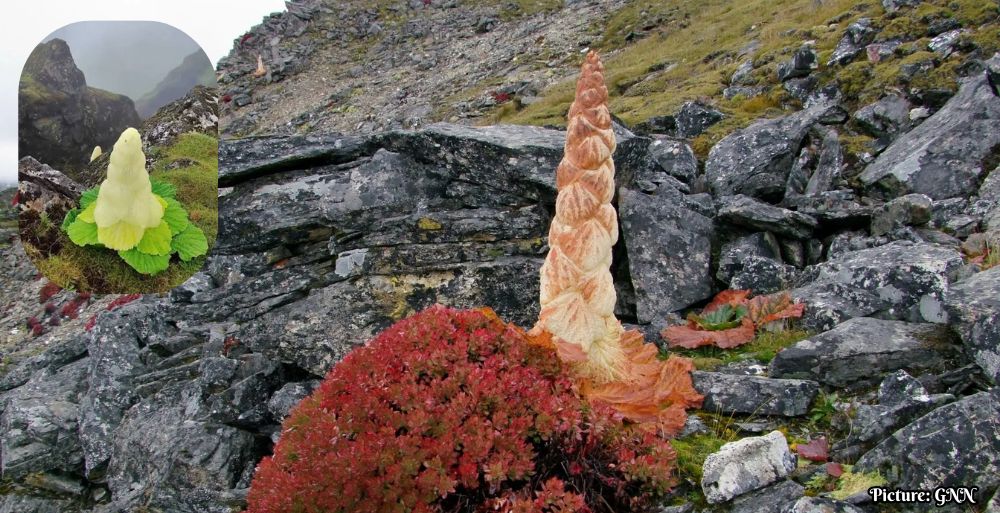
The Himalayan Diamond, known locally as Kenzo or Padamchal, is a striking alpine flower that can be found at altitudes exceeding 4,000 meters in the unforgiving terrains of the Himalayas. This extraordinary plant not only captivates trekkers and botanists but also serves as a profound symbol of resilience in the face of extreme environmental conditions. With heights that can surpass two meters, the Kenzo blooms only after an extended period of growth, taking anywhere from seven to fifteen years to produce a single flower.
Growth and Habitat
The Kenzo flower thrives in rocky alpine slopes and glacial moraines, where oxygen levels are nearly 40% lower than at sea level. These adaptations allow the plant to flourish in one of the harshest climates on Earth, characterized by fierce winds, intense ultraviolet radiation, and freezing temperatures. The flower’s impressive height and rarity contribute to its allure, making sightings particularly coveted among nature enthusiasts and seasoned trekkers.
The Significance of the Name
Referred to as the ‘Himalayan Diamond,’ this name reflects both the flower’s rarity and its remarkable resilience. The blooms, which may only appear after years of growth, are seen as a privilege to witness, enhancing the flower’s mystique. The Kenzo’s ability to endure such challenging conditions adds to its reputation as a natural treasure and a testament to the enduring power of nature.
Key Locations for Sightings
Several locations within the Himalayas are renowned for their populations of the Himalayan Diamond. The Valley of Flowers National Park in Uttarakhand stands out as a UNESCO World Heritage Site and a celebrated destination for flower enthusiasts. Open to trekkers during July and August, the park transforms into a vibrant botanical garden, filled with hundreds of blooming Himalayan species, including the Kenzo.
Another notable location is the Hemkund Sahib region, which features a trek through lush alpine meadows, making it a hotspot for rare flora. Trekkers often encounter the Kenzo while navigating the remote valleys of Gangotri National Park, especially on routes leading to Gaumukh and Tapovan. North Sikkim also offers ideal habitats for the Himalayan Diamond, with areas like Yumthang and Zero Point showcasing a rich diversity of alpine flora.
In addition to these locations, recent botanical surveys have documented the Kenzo near the base camp of Mount Jomolhari in Bhutan, further illustrating its widespread presence across the Himalayan range.
Medicinal Uses and Cultural Significance
For centuries, local communities have recognized the Kenzo flower for its medicinal properties, utilizing it to treat various ailments such as cuts, fractures, headaches, indigestion, and inflammation. This cultural significance underscores the flower’s value beyond its aesthetic appeal, linking it to traditional practices and local knowledge surrounding health and wellness.
Environmental Concerns and Conservation Efforts
Despite its remarkable resilience, the Himalayan Diamond faces significant challenges due to climate change. Recent ecological studies have indicated that suitable habitats for many high-altitude species are shrinking as global temperatures rise. This trend emphasizes the urgent need for conservation efforts to protect these unique ecosystems and the species that inhabit them.
Visitors to the Himalayan regions are strongly encouraged to admire the Kenzo flower in its natural habitat without disturbing or picking it. Responsible tourism practices are essential to ensure that this natural wonder can be preserved for future generations. Conservation organizations are advocating for stricter protections and sustainable practices in these sensitive environments to mitigate the impacts of climate change and human activity.
Planning Your Visit
For those looking to explore the breathtaking landscapes where the Himalayan Diamond resides, the optimal time to visit is from late July to early September. Given that most habitats are situated above 4,000 meters, proper acclimatization and hydration are crucial for travelers undertaking these high-altitude treks. Trekking routes not only offer the chance to witness the Kenzo but also provide stunning views of the surrounding mountain ranges and the opportunity to engage with the unique biodiversity of the region.
The journey to discover the Himalayan Diamond is as remarkable as the flower itself. In a world where many flowers bloom annually, the Kenzo serves as a poignant reminder that some of nature’s most extraordinary spectacles require patience and respect. The rare blooming of this flower not only highlights the beauty of the Himalayas but also calls attention to the broader environmental issues that threaten such unique flora.


No Comment! Be the first one.