





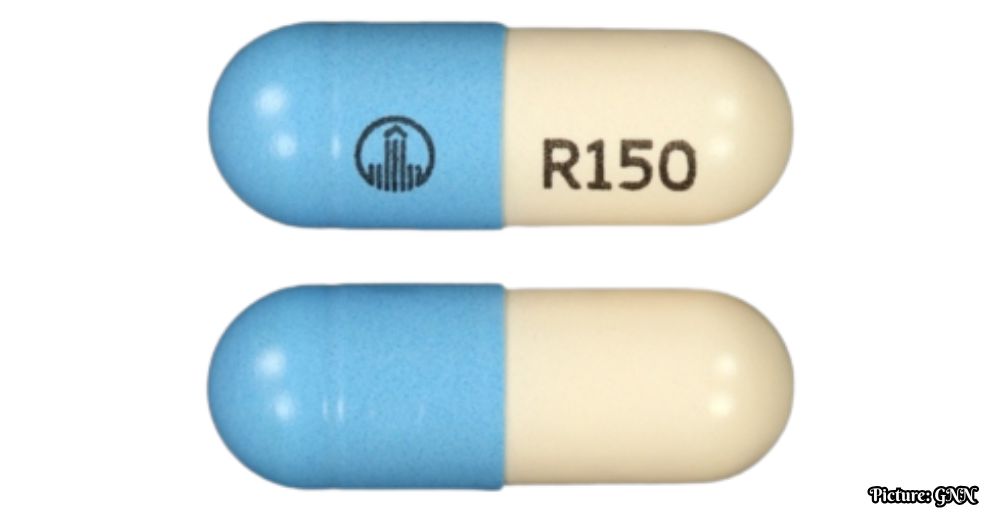
A nationwide recall has been issued by the FDA for specific lots of dabigatran capsules, known as Pradaxa, due to quality control failures that may compromise patient safety.
On October 12, 2023, the U.S. Food and Drug Administration (FDA) announced a nationwide recall of selected lots of dabigatran etexilate capsules, commonly sold under the brand name Pradaxa. This anticoagulant medication is primarily prescribed to reduce the risk of stroke and blood clots in patients diagnosed with nonvalvular atrial fibrillation, a common heart condition. The recall was initiated following reports that certain batches of the medication failed to meet safety standards related to impurity and degradation testing.
Details of the Recall
The affected dabigatran etexilate capsules, manufactured by Alkem Laboratories Ltd. and distributed by Major Pharmaceuticals, include specific lots of both 75 mg and 150 mg dosages. The recall is limited to the following products:
- Dabigatran etexilate capsules, 150 mg, 60-count blister pack
Lot number: 25141583
Expiration date: April 30, 2027 - Dabigatran etexilate capsules, 75 mg, 60-count blister pack
Lot number: 25141585
Expiration date: April 30, 2027 - Dabigatran etexilate capsules, 75 mg, 30-count blister pack
Lot number: 25141586
Expiration date: April 30, 2027
Patients are urged to examine their medication supplies carefully against these details to determine if they are in possession of the recalled products. Although the FDA has not yet assigned a formal risk level to this recall, the failure of these lots to meet quality control standards raises serious concerns regarding their safety and efficacy.
Patient Guidance Following the Recall
If individuals find that their medication is among the recalled lots, they are advised to contact their pharmacist or healthcare provider immediately. The FDA emphasizes the importance of not discontinuing the use of the medication without medical guidance, as abrupt cessation of anticoagulant therapy can lead to serious health risks, including the increased likelihood of blood clots or strokes.
Healthcare professionals are equipped to offer alternatives and recommendations for transitioning to different anticoagulant therapies if necessary. The FDA is actively monitoring the situation and working with the involved companies to resolve the issue swiftly.
Understanding Dabigatran and Its Clinical Use
Dabigatran etexilate acts as a direct thrombin inhibitor and is a cornerstone of anticoagulation therapy for patients at risk of thromboembolic events, especially those suffering from atrial fibrillation. According to the Mayo Clinic, dabigatran is often preferred over traditional anticoagulants such as warfarin due to its ease of use—eliminating the need for routine blood monitoring and offering a more rapid onset of action. This makes dabigatran a vital option for many patients managing their cardiovascular health.
However, the current recall highlights the critical need for continuous vigilance concerning the safety and quality of pharmaceutical products. The FDA’s recent announcement underscores the importance of rigorous regulatory oversight to ensure that all medications comply with established safety standards prior to reaching consumers.
Implications for Regulatory Oversight and Industry Practices
The recall of dabigatran capsules may initiate a closer examination of pharmaceutical manufacturing processes, particularly focusing on quality assurance protocols and compliance with FDA regulations. As the FDA evaluates the implications of this recall, it could lead to increased scrutiny and accountability among manufacturers to prevent similar occurrences in the future.
Historically, the pharmaceutical industry has faced challenges surrounding product quality and safety, resulting in numerous recalls and regulatory actions over the years. These incidents have often ignited discussions around the necessity for stringent quality control measures in medication production. The response from the FDA in this instance reflects its commitment to patient safety and underscores the pivotal role that regulatory bodies play in overseeing the pharmaceutical landscape.
Public Awareness and Future Monitoring
As developments regarding this recall unfold, it is essential for both patients and healthcare providers to stay informed. The FDA is expected to provide ongoing updates, which may include an assessment of any potential health risks associated with the affected products.
Maintaining open communication between patients and their healthcare providers will be vital to ensuring safety and fostering trust within the healthcare system. As public awareness of the implications surrounding medication recalls expands, it becomes increasingly important to uphold transparency and diligence in reporting such incidents.
Ultimately, the FDA’s proactive stance on this matter illustrates a broader commitment to safeguarding public health and ensuring that patients can trust the medications they rely upon for their well-being. As the investigation progresses, stakeholders across the healthcare continuum are encouraged to remain vigilant and responsive to patient needs during this critical time.





No Comment! Be the first one.